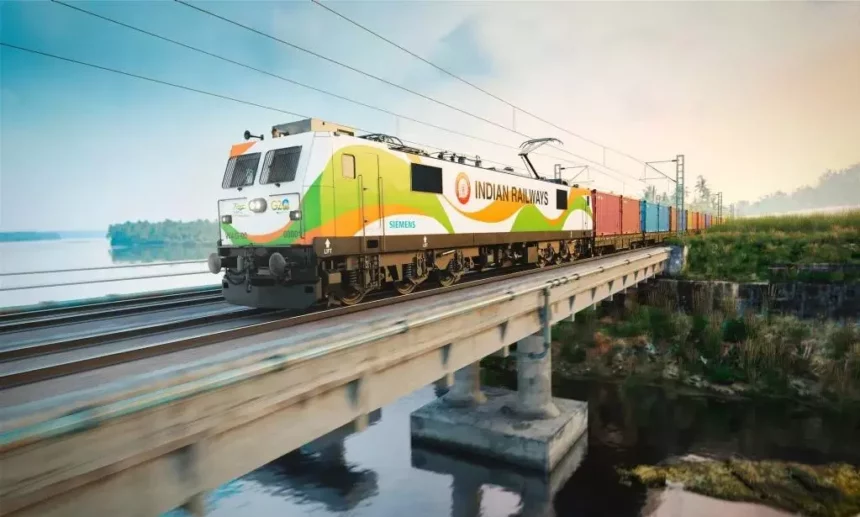
The Union Cabinet on Wednesday approved four major railway projects totaling Rs 12,328 crore, aimed at strengthening connectivity, passenger transport, and freight movement across key regions in India. Among these is a new 145-kilometre railway line in Gujarat, designed to link the historically and culturally significant Harappan site of Dholavira with Koteshwar temple, Narayan Sarovar, and Lakhpat fort, while also improving logistical capacity for essential commodities such as salt, cement, coal, clinker, and bentonite. In addition to Gujarat, three multi-tracking projects spanning Karnataka, Telangana, Bihar, and Assam have also been approved, reflecting the government’s ongoing commitment to expanding the railway infrastructure network and addressing both passenger and cargo transportation needs. The projects are expected to cover 13 districts across the five states and add approximately 565 kilometres to the existing Indian Railways network, creating significant economic and strategic benefits over the coming years.
Enhancing Connectivity and Tourism in Gujarat’s Rann of Kutch
The 145-kilometre new line project in Gujarat represents a strategic effort to connect the remote Rann of Kutch region to the broader national railway network while simultaneously promoting tourism and heritage awareness. This line will feature 13 new railway stations over the course of three years, linking culturally important and historically rich destinations, including the Harappan archaeological site of Dholavira, Koteshwar temple, Narayan Sarovar, and Lakhpat fort. By establishing a seamless rail connection, the project aims to make these locations more accessible for both domestic and international tourists, thereby boosting local economies and facilitating regional development. Beyond tourism, the line is designed to significantly improve the transportation of key commercial commodities. With increasing demand for salt, cement, coal, clinker, and bentonite in both domestic and industrial markets, the new rail corridor will provide a cost-effective, timely, and efficient logistics solution, reducing reliance on road transport and easing congestion on existing routes. Officials project that this expansion will not only enhance passenger mobility but also allow for greater freight movement, supporting economic growth in the region and contributing to a more robust and resilient supply chain infrastructure.
The project’s design considers both strategic and environmental factors, given the ecological sensitivity of the Rann of Kutch area. Measures are being implemented to ensure minimal disruption to local habitats while promoting sustainable development through infrastructure projects that can catalyze socio-economic benefits. Local communities are expected to gain from improved connectivity, employment opportunities during construction, and enhanced access to education, healthcare, and trade, making this project an inclusive initiative in addition to a major transportation upgrade. The Gujarat railway line will also support integration with other transportation modes, such as highways and inland waterways, creating a multimodal transport ecosystem that can accommodate growing passenger and cargo demand while promoting balanced regional development.
Multi-Tracking and Freight Expansion Across Karnataka, Telangana, Bihar, and Assam
In addition to the Gujarat project, the Cabinet cleared three multi-tracking and doubling projects designed to improve passenger convenience, reduce transit times, and increase the freight-handling capacity of the Indian Railways network in southern, eastern, and northeastern India. The 173-kilometre Secunderabad (Sanathnagar)-Wadi multi-track project, spanning Karnataka and Telangana, is scheduled for completion within five years and aims to alleviate congestion on one of the busiest freight and passenger corridors in the region. By adding third and fourth tracks, the project will allow simultaneous movement of multiple trains, reduce delays, and increase the reliability of railway services for commuters and industries alike. The Secunderabad-Wadi expansion is particularly significant given the volume of agricultural produce, industrial goods, and mineral resources transported along this route, making it a vital artery for regional economic activity.
In Bihar, the 53-kilometre Bhagalpur-Jamalpur third line will be completed in three years, providing additional capacity to manage increasing passenger traffic as well as goods transport. The project is designed to reduce congestion on the existing two tracks, allowing smoother operation of trains and minimizing delays. Similarly, the 194-kilometre Furkating-New Tinsukia doubling in Assam will enhance connectivity in the northeastern states, enabling efficient movement of goods such as tea, coal, petroleum, and industrial materials, while also catering to passenger needs. The completion of these projects will increase freight movement capacity by an estimated 68 million tonnes per year, reflecting the government’s emphasis on strengthening trade and commerce through improved logistics infrastructure.
Collectively, these four projects represent a major investment in India’s railway network, covering 13 districts across Gujarat, Karnataka, Telangana, Bihar, and Assam. The addition of approximately 565 kilometres of new and upgraded tracks will have a transformative impact on the transportation sector, reducing bottlenecks, improving operational efficiency, and supporting long-term economic growth. Furthermore, these projects demonstrate the government’s commitment to integrating heritage, tourism, industrial logistics, and regional connectivity into a comprehensive national development strategy. By balancing passenger convenience with freight capacity, the projects are poised to create multifaceted benefits that extend beyond transportation, influencing trade, employment, and social development across multiple states.
The strategic vision behind these projects also underscores India’s intent to enhance regional connectivity and strengthen the resilience of its railway network in the face of growing passenger demand and industrial transport needs. With faster, more reliable, and higher-capacity routes, these projects aim to optimize the utilization of the existing infrastructure while addressing future requirements. Enhanced connectivity is expected to attract private investments, stimulate tourism, and promote local entrepreneurship, particularly in historically and culturally significant regions such as the Rann of Kutch. Additionally, the projects align with broader national objectives to modernize rail infrastructure, improve safety standards, and implement technological upgrades across the network.
The Cabinet’s approval of these initiatives reflects an integrated approach to infrastructure development, encompassing heritage preservation, economic growth, and strategic logistics. The multi-track expansions in southern, eastern, and northeastern India will serve as critical lifelines for the movement of essential goods, supporting domestic and export-oriented industries. Meanwhile, the Gujarat new line will create a robust transport corridor that bridges cultural and historical landmarks with industrial and commercial hubs, enhancing both tourism and trade. The combination of these projects highlights the government’s vision for a modern, efficient, and inclusive railway network that serves diverse regional needs and strengthens India’s position as a global economic player.
Officials emphasized that project execution will follow stringent timelines, with regular monitoring and coordinated efforts between central and state authorities to ensure timely completion and cost-effectiveness. The projects are expected to employ thousands of workers during construction phases, contributing to regional employment generation and skill development. Moreover, the increase in freight movement capacity will facilitate better supply chain management, reduce costs for industries, and promote more sustainable modes of transportation. By integrating heritage tourism and industrial logistics, the railway projects in Gujarat and across multiple states aim to create synergistic benefits, fostering inclusive growth while enhancing the operational efficiency of India’s railway system.
The 12,328 crore investment in these railway projects represents a significant milestone in India’s ongoing infrastructure development agenda, demonstrating the government’s focus on long-term planning, strategic connectivity, and balanced regional development. By linking remote, culturally significant areas with industrial hubs and major cities, these projects not only enhance the mobility of goods and passengers but also strengthen the socio-economic fabric of multiple regions. The approval of these projects reaffirms the central government’s commitment to expanding the Indian Railways network, improving logistics efficiency, and promoting equitable development across diverse states.
As these projects progress, the Indian Railways is expected to become a more reliable, high-capacity, and strategically vital transportation system that supports India’s growing economic ambitions, strengthens regional integration, and enhances the country’s competitive edge in the global trade and tourism sectors. Through a combination of new lines, multi-tracking, and doubling initiatives, these projects will address pressing transportation needs while laying the foundation for sustainable and inclusive growth, ensuring that India’s railway network remains an essential driver of economic development and regional connectivity in the decades to come.