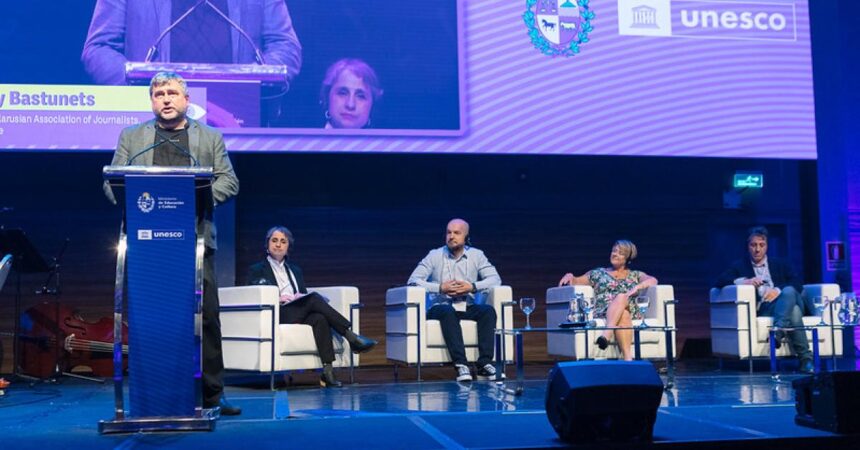
The United Nations Educational, Scientific and Cultural Organization (UNESCO) has opened nominations for the prestigious UNESCO/Guillermo Cano World Press Freedom Prize 2025. Eligible candidates and interested parties are encouraged to submit their applications through the Ministry of Education’s official website, with the deadline for nominations set for February 15, 2025. For applicants in India, the Indian National Commission for Cooperation with UNESCO (INCCU) has set an earlier deadline of January 31, 2025, for forwarding applications. Following this, the Indian National Commission for Cooperation with UNESCO will submit the nominations to UNESCO Headquarters in Paris, France, by the official February deadline.
Established in honor of Guillermo Cano Isaza, a Colombian journalist who was assassinated for his dedication to uncovering the truth, the prize underscores UNESCO’s commitment to recognizing and supporting press freedom worldwide. The award aims to honor individuals, organizations, or institutions that have made significant contributions to the defense or promotion of press freedom, particularly in situations where such efforts have been met with considerable risks.
The UNESCO/Guillermo Cano World Press Freedom Prize includes a minimum cash award of $25,000. The exact amount will be determined by UNESCO’s Director-General in consultation with the prize’s donors, based on the funds received, interest accrued on the special account, and administrative costs associated with the award. In addition to the monetary component, the prize comprises a certificate and a symbolic object that will be presented to the winner during the official award ceremony.
The award has garnered international acclaim for its role in spotlighting the sacrifices and efforts of journalists and media organizations in safeguarding the principles of freedom of expression and access to information. By celebrating the achievements of those who have faced adversity while defending press freedom, UNESCO reinforces its global advocacy for democratic values and human rights.
Applicants are encouraged to thoroughly review the eligibility criteria and guidelines available on the Ministry of Education’s website. The process requires careful adherence to deadlines and submission protocols, particularly for those applying through the Indian National Commission for Cooperation with UNESCO. As the world grapples with challenges to press freedom in various regions, this award serves as a beacon of hope and recognition for those dedicated to upholding the fundamental right to free expression.
The prize not only celebrates the legacy of Guillermo Cano Isaza but also inspires a global commitment to protecting the essential role of the media in fostering transparency, accountability, and informed public discourse.