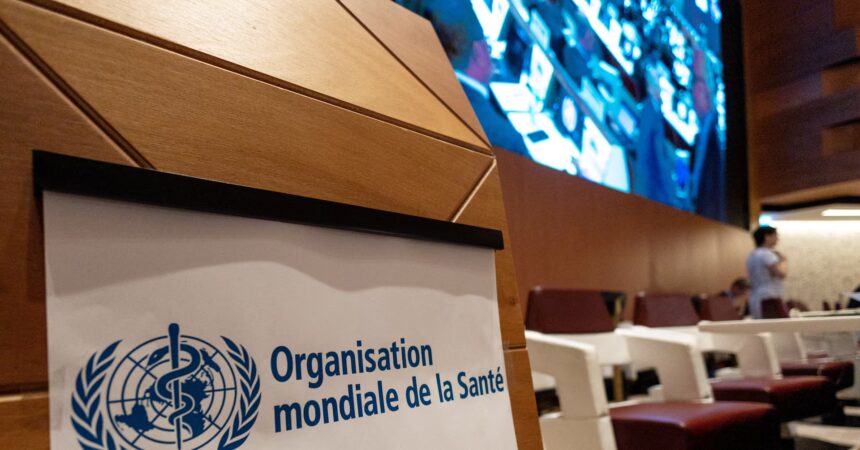
The United States has officially notified the United Nations of its decision to withdraw from the World Health Organization (WHO), with the exit set to take effect on January 22, 2026. This announcement follows U.S. President Donald Trump’s confirmation of the decision, marking a significant move in his administration’s ongoing stance on global health governance.
Trump’s decision to pull the U.S. out of the WHO is not entirely surprising, as it aligns with his long-standing criticism of the organization. He has repeatedly accused the WHO of mishandling global health crises, particularly the COVID-19 pandemic, and has argued that the agency’s policies are biased and ineffective. The president’s decision to formally announce the U.S. exit came shortly after his inauguration for a second term, further solidifying his administration’s position on global health matters.
In a statement released on Tuesday, the WHO expressed regret over the U.S. decision, highlighting the significant role the country plays as the organization’s largest financial contributor. The United States is responsible for approximately 18% of the WHO’s total funding, making it the organization’s largest single donor. For the 2024-2025 period, the WHO has set a budget of $6.8 billion, and it remains unclear how the loss of U.S. financial support will affect the organization’s operations moving forward.
Under U.S. law, President Trump is required to provide a one-year notice for withdrawal from the Geneva-based organization. The official notification from the U.S. government, dated January 22, 2025, initiates the process of the country’s departure, which will culminate in January 2026. In accordance with this decision, the U.S. will also be required to settle any outstanding dues with the WHO, as stipulated by a joint resolution passed by the U.S. Congress in 1948.
The decision to leave the WHO raises concerns about the potential impact on various health initiatives that the organization oversees, especially in areas such as tuberculosis, HIV/AIDS, and other infectious diseases. Experts have warned that the withdrawal could significantly undermine ongoing programs aimed at combating global health threats, as the U.S. has historically played a key role in supporting these efforts.
The withdrawal announcement also included provisions that the U.S. would cease negotiations on the WHO’s pandemic treaty, a global agreement designed to enhance international cooperation on health emergencies. U.S. government personnel working with the WHO are expected to be recalled and reassigned, and the administration has indicated it will seek alternative partners to take over essential WHO activities during the transition period.
This move is not the first time that the Trump administration has sought to distance the U.S. from the WHO. In 2020, during his first term as president, Trump initiated steps to withdraw from the organization in response to his dissatisfaction with its handling of the pandemic. However, the withdrawal process was halted after Joe Biden won the 2020 presidential election. On his first day in office, President Biden reversed Trump’s decision, rejoining the WHO and reaffirming the U.S.’s commitment to global health cooperation.
As the U.S. moves toward its planned withdrawal in 2026, the global community will likely continue to debate the implications of the decision on international health policy and the future of multilateral health cooperation. With President Trump continuing to push for an “America First” approach to international affairs, the withdrawal from the WHO represents another chapter in his administration’s broader efforts to reshape U.S. involvement in global institutions.
While the future of the WHO without U.S. involvement remains uncertain, the organization’s leadership will now have to navigate the challenges of operating with a significantly reduced budget and without the critical support that the U.S. has long provided. As the world faces increasingly complex global health threats, the absence of the U.S. from the WHO could hinder efforts to tackle future pandemics and other international health emergencies.