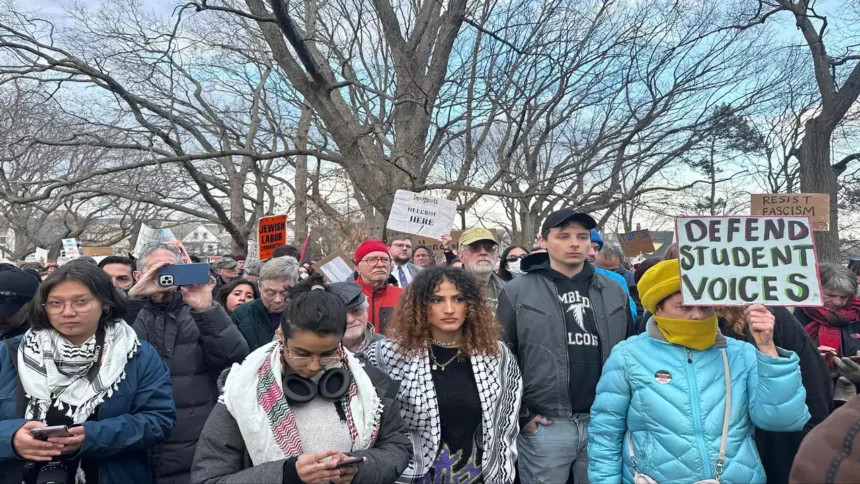
In a move that has sparked widespread concern across American universities, federal authorities in the United States have quietly begun revoking the legal residency status of some international college students, ordering them to leave the country without prior warning. This abrupt crackdown, led by the Department of Homeland Security (DHS), has left students, educators, and immigration advocates reeling, with many questioning the transparency and fairness of the process. The enforcement action appears to be part of a broader, more aggressive immigration agenda under the Trump administration, targeting non-citizens on U.S. campuses through vague legal reasoning and limited avenues for appeal.
Unexpected Visa Cancellations and Deportation Orders
Numerous international students, legally enrolled in U.S. colleges and holding valid visas, are now finding themselves abruptly categorized as “unlawfully present” by federal agencies. In many cases, students have had their F-1 student visas revoked without a clear explanation or due process, often learning of the change only when they receive official notices from DHS instructing them to depart the country immediately.
These students—many of whom have invested years in academic programs and contributed to campus communities—are now facing the devastating reality of deportation. The situation is made worse by the lack of public guidelines outlining the criteria for visa revocations. This sudden and silent shift in immigration enforcement has created an atmosphere of fear and uncertainty within academic institutions that depend on international talent for research, innovation, and cultural exchange.
College Officials Raise Alarm Over Immigration Enforcement Tactics
University leaders and immigration lawyers have expressed alarm at the DHS’s increasingly opaque methods, arguing that the policy not only disrupts lives but undermines the country’s longstanding position as a global leader in higher education. College administrators report being caught off guard, with little to no communication from immigration officials before their students are targeted.
Many institutions are struggling to provide support or legal recourse for affected students, who often learn about their changed status too late to contest it. The suddenness of the action has added to the confusion, making it difficult for students to understand their rights or prepare for what comes next.
As the Trump administration continues its hardline stance on immigration, the academic community warns that these measures could deter future international applicants and damage the United States’ global academic reputation.