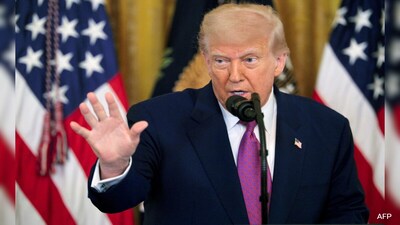
U.S. President Donald Trump sharply escalated his rhetoric against Iran, warning Tehran to “get smart soon” as negotiations over its nuclear program remain deadlocked and regional instability continues to intensify. Trump’s latest remarks came during a critical period marked by prolonged U.S. naval blockades, surging global oil prices, Israeli military operations in Lebanon, and mounting fears of broader conflict across the Middle East.
Trump’s statement reflects growing frustration within Washington over Iran’s refusal to agree to a non-nuclear settlement under U.S. terms. While the administration claims diplomatic channels remain open through phone negotiations, Trump made clear that no final agreement will be reached unless Iran fully abandons its nuclear ambitions. His comments signal a hardline strategy centered on sustained economic and military pressure rather than rapid diplomatic compromise.
The conflict’s economic impact has become increasingly severe. Oil prices surged dramatically, with Brent crude climbing near $120 per barrel, as investors reacted to fears that disruptions in the Strait of Hormuz could continue for months. The strait remains one of the world’s most critical energy transit routes, and any prolonged blockade threatens major supply shocks for global markets. Trump reportedly argued that extending the blockade could be more strategically effective than direct military strikes, framing economic strangulation as a key negotiating tool.
Iran, however, has responded defiantly. Senior Iranian military officials warned of “swift action” should U.S. forces intensify operations near the Strait of Hormuz. Iranian commanders emphasized that restraint thus far has been intended to preserve space for diplomacy, but continued U.S. pressure may provoke more aggressive retaliation. This rhetoric has heightened concerns that the standoff could evolve into a broader military confrontation with substantial global repercussions.
The Pentagon estimates the war has already cost approximately $25 billion, largely due to military operations, weapons expenditures, and strategic deployments. Congressional scrutiny is increasing as lawmakers debate the long-term sustainability of U.S. involvement. Defense Secretary Pete Hegseth faced questions over civilian casualties, including a controversial strike on an Iranian girls’ school that reportedly killed around 170 people.
Meanwhile, Israel’s expanding military actions in Lebanon have added another volatile dimension to the regional crisis. Recent strikes reportedly killed multiple civilians, including rescue workers and women, intensifying humanitarian concerns. Cross-border instability between Israel, Lebanon, Iran, and U.S. interests is creating an increasingly complex strategic environment.
Humanitarian challenges are also worsening beyond direct battlefield zones. Aid flotillas headed toward Gaza have reportedly faced military interception, while regional supply chains continue to deteriorate. These developments have drawn international criticism and raised questions about legal accountability under international law.
Trump’s strategy appears rooted in maximizing pressure on Tehran while leveraging energy markets and military containment. His administration believes sustained financial strain could force Iran into broader concessions. However, critics argue that prolonged escalation risks destabilizing global markets, worsening inflation, and increasing the likelihood of accidental military escalation.
Russia and other global powers have expressed concern about the consequences of continued confrontation. Russian President Vladimir Putin reportedly warned Trump about potentially damaging geopolitical consequences if military pressure intensifies further. European economies are also facing mounting energy costs as prolonged conflict drives commodity inflation.
From a market perspective, energy volatility remains the immediate global concern. Higher oil prices threaten economic growth, transportation costs, inflation stability, and central bank policy decisions worldwide. Investors are increasingly watching geopolitical developments alongside economic indicators.
Trump’s comments also carry significant domestic political implications. Rising fuel costs and war expenditures could affect voter sentiment, particularly as inflation remains a critical issue for American households. Critics argue that prolonged confrontation could damage Trump’s economic credibility despite his emphasis on strategic toughness.
The broader outlook remains uncertain. Diplomatic negotiations have not fully collapsed, but progress appears fragile. Iran’s refusal to accept unilateral denuclearization, combined with U.S. insistence on hardline terms, leaves little room for immediate resolution.
Ultimately, Trump’s warning that Iran “better get smart soon” underscores the dangerous intersection of diplomacy, military strategy, and global economics. The coming months may determine whether the current standoff evolves into renewed negotiations, prolonged economic warfare, or wider regional conflict with far-reaching international consequences.