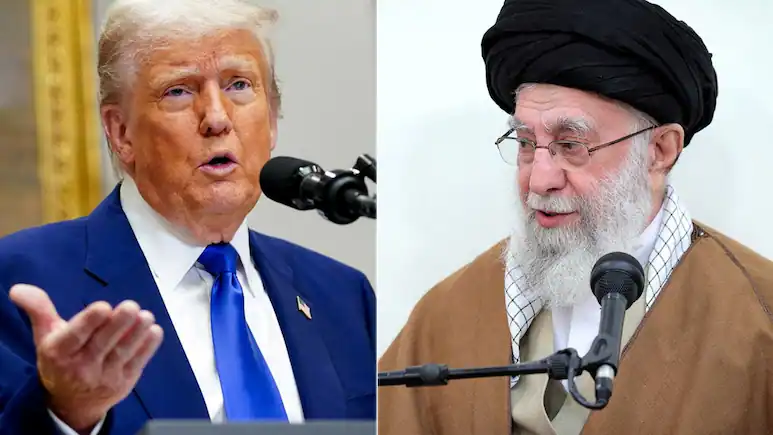
Donald Trump rejected Iran’s latest proposal, warning against nuclear threats while keeping both military action and diplomacy options open amid ongoing tensions.
The escalating tensions between the United States and Iran have taken a sharp turn as Donald Trump strongly criticized Tehran’s latest diplomatic proposal, asserting that the US cannot allow Iran to acquire nuclear weapons. His remarks come amid a fragile ceasefire, ongoing military presence in the region, and renewed uncertainty in global geopolitics.
Speaking at a public event, Trump stated that the United States is effectively in a conflict with Iran to prevent what he described as a dangerous nuclear scenario. His comments reflect a hardline stance, even as diplomatic channels remain partially open.
Iran Submits New Proposal but US Remains Unsatisfied
According to reports, Iran has put forward a fresh proposal for negotiations through intermediaries in Pakistan. However, Trump made it clear that the offer does not meet US expectations. He stated that Iran is seeking concessions that Washington is unwilling to accept, describing the Iranian leadership as divided and inconsistent.
Iran has consistently maintained that its nuclear program is intended for peaceful purposes. However, Western nations, including the United States, remain skeptical about these claims. The disagreement over uranium enrichment continues to be a central issue in the ongoing standoff.
Iran’s Foreign Minister Abbas Araqchi has reiterated that Tehran is open to dialogue but only if the US adopts a less aggressive approach. He criticized Washington’s rhetoric and warned that Iran is prepared to defend itself against any threats.
Conflicting Signals on War and Ceasefire
Despite describing the situation as a war, Trump also claimed that hostilities have been “terminated” following a ceasefire that has reportedly held for several weeks. This dual messaging highlights the complexity of the situation, where military readiness coexists with diplomatic engagement.
The White House has informed Congress that active hostilities have ended, yet US forces remain deployed in the region. Trump also indicated in a formal communication that the threat posed by Iran is still significant, suggesting that the conflict could escalate again if necessary.
The timing of these developments is particularly notable, as the deadline under the War Powers Resolution passed without congressional approval for extended military action. Trump dismissed the requirement, calling it unconstitutional, while lawmakers failed to pass measures to halt the conflict.
Nuclear Concerns and Strategic Messaging
Trump’s remarks emphasized the central concern driving US policy: preventing Iran from acquiring nuclear weapons. His statement that “lunatics can’t have a nuclear weapon” underscores the administration’s view of Iran as a significant security threat.
The situation also reflects elements of strategic signaling, where strong rhetoric is used to pressure the opposing side while keeping negotiation channels open. Trump himself acknowledged this balance, suggesting that while military action remains an option, he would prefer a diplomatic resolution.
Regional and Global Implications
The ongoing tensions between the United States and Iran have far-reaching implications for global stability. The Middle East remains a critical region for energy supply, and any escalation could disrupt oil markets and impact economies worldwide.
Recent disruptions in key shipping routes, including the Strait of Hormuz, have already contributed to rising oil prices. This has added pressure on global markets and increased concerns about economic stability.
The situation also affects international alliances and diplomatic relations, as countries navigate the complex dynamics between major powers. Efforts to mediate and de-escalate the conflict are ongoing, but progress remains uncertain.
Trump’s Broader Foreign Policy Signals
In addition to addressing Iran, Trump made remarks about other geopolitical issues, including tensions with Cuba. He suggested the possibility of military pressure to achieve policy objectives, reflecting a broader approach that combines assertive rhetoric with strategic flexibility.
These statements highlight the administration’s willingness to use both diplomatic and military tools to pursue its goals. However, they also raise questions about the potential risks of escalation and the long-term impact on international relations.
The Road Ahead
As the situation evolves, the path forward remains unclear. Both the United States and Iran have expressed a willingness to negotiate, but significant differences persist. The balance between deterrence and diplomacy will be crucial in determining the outcome.
The coming weeks are likely to see continued negotiations, strategic positioning, and possible shifts in policy depending on developments on the ground. For now, the world watches closely as two major powers navigate a high-stakes confrontation with global consequences.