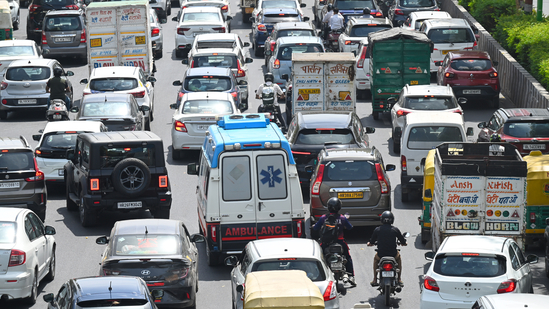
Starting from April 1, stricter traffic regulations will come into effect in India, leading to potential driving licence suspensions for those with unpaid traffic challans. Under these new rules, if a driver has pending e-challans for over three months or accumulates three challans for red light violations or rough driving within a financial year, their driving licence may be suspended for up to three months. This move is a part of the government’s efforts to improve traffic law compliance and increase the recovery rates of traffic fines.
According to reports, the new regulation primarily targets individuals with outstanding e-challans. With a recovery rate of only 40% of fines paid by the citizens, the government has expressed concern over the low compliance. To ensure better adherence to the rules, the government is also considering raising insurance premiums for individuals with two or more unpaid challans from the previous year.
However, the administration has acknowledged that some challans may remain pending due to technical errors or delays in notifications. In response, the government plans to implement a system for sending alerts to vehicle owners about pending fines. This will include ensuring that traffic cameras meet certain specifications for capturing violations, helping to streamline the challan process.
Currently, Delhi has the lowest challan recovery rate in the country, with only 14% of fines being paid. Other states, such as Karnataka (21%) and Uttar Pradesh (27%), also struggle with low recovery rates. On the other hand, Maharashtra and Haryana lead in challan recovery, with rates of 62% and 76%, respectively.
To further enhance traffic law enforcement, Delhi has introduced an advanced AI-powered 4D radar-interceptor. This cutting-edge technology, mounted on police vehicles, can track multiple vehicles simultaneously and detect violations like overspeeding or not wearing a seatbelt. The AI system is integrated with the National Informatics Centre (NIC) and will generate e-challans automatically without human intervention. This system is expected to improve enforcement efficiency and ensure stricter adherence to traffic laws.
With these changes, authorities hope to not only ensure that traffic violators are penalized but also raise awareness among drivers about the importance of complying with road safety regulations.