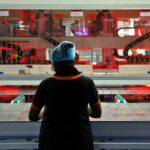
Apple CEO Tim Cook has said that most iPhones sold in the United States will soon be manufactured in India, marking a major shift in the company’s global production strategy. Amid rising trade tensions and shifting supply chains, Apple is leaning more heavily on India for iPhone assembly while turning to Vietnam for other product lines.
Speaking after Apple’s first-quarter earnings beat market expectations, Cook acknowledged that global tariffs continue to pose challenges. The tech giant could face up to $900 million in added costs this quarter if trade conditions remain unchanged. Cook emphasized that the company is adjusting to these pressures by diversifying manufacturing operations across Asia.
India’s Growing Role in Apple’s Ecosystem
India has seen a sharp rise in Apple’s manufacturing footprint. In the past year alone, the company assembled $22 billion worth of iPhones in the country—a nearly 60% increase compared to the previous period. While China remains a key hub, this surge signals India’s rising importance in Apple’s long-term plans.
Apple’s shift to India has been fueled by geopolitical developments, including tariff hikes introduced during Donald Trump’s presidency and Beijing’s reciprocal moves. These dynamics have prompted Apple to seek alternatives to its long-standing reliance on Chinese facilities.
Expanding Beyond iPhones
Cook also revealed that Vietnam will serve as the main manufacturing base for iPads, Macs, Apple Watches, and AirPods destined for the US market. This move further diversifies Apple’s production, reducing risks tied to a single country.
Despite holding just 8% of India’s smartphone market, Apple has seen strong sales growth in the country. In FY24, Apple’s India revenue touched $8 billion, driven largely by iPhone demand. This performance reflects the growing appetite for premium devices among Indian consumers, even in a highly competitive market.
The company’s evolving supply chain strategy underscores its focus on resilience, cost-efficiency, and regional balance. By expanding production in India and Vietnam, Apple aims to mitigate disruptions while responding more nimbly to global economic shifts.