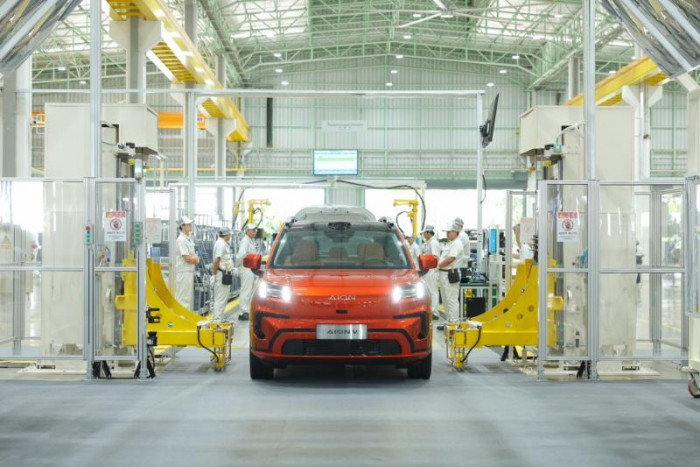
In a strategic move to revitalize its automotive sector, Thailand’s cabinet has approved a set of tax incentives aimed at promoting the production of plug-in hybrid vehicles (PHEVs), effective from 2026. Deputy Finance Minister Paopoom Rojanasakul announced that the new tax structure will be based on the electric range of vehicles, offering lower tax rates for models capable of longer distances per charge. This initiative is part of Thailand’s broader efforts to maintain its status as Southeast Asia’s leading automotive manufacturing hub amidst a global shift towards cleaner energy and transportation solutions.
Tailored Tax Structure to Encourage PHEV Production
The proposed tax framework marks a departure from traditional carbon emission-based taxation. Instead, it introduces a system where tax rates are inversely proportional to a vehicle’s electric range—vehicles with longer electric-only driving capabilities will benefit from reduced tax rates. This approach aims to incentivize manufacturers to develop PHEVs with enhanced electric performance, aligning with global trends towards sustainable mobility. The proposal is expected to be submitted to the cabinet by April for final approval.
Addressing Industry Challenges and Stimulating Growth
Thailand’s automotive industry, a significant contributor to the nation’s GDP, has faced challenges in recent years, including a 10% drop in production and declines in domestic sales and exports. The introduction of these tax incentives is a response to these challenges, aiming to stimulate investment and production in the PHEV segment. Notably, the government plans to eliminate existing constraints such as fuel tank size limits and CO2 emission criteria, which have previously hindered the development of PHEVs.
Furthermore, the Finance Ministry is considering additional measures to support the automotive sector, including credit guarantees for pickup truck buyers, with implementation targeted before the annual motor show at the end of March.
These initiatives underscore Thailand’s commitment to adapting its automotive policies to global trends, fostering innovation, and sustaining its position as a key player in the international automotive landscape.