In a rare moment of de-escalation in the prolonged Russia-Ukraine war, both sides have agreed to a 32-hour ceasefire to mark the Orthodox Easter holiday, offering a brief pause in hostilities that have defined the conflict for years. The truce, announced by Russian President Vladimir Putin and acknowledged by Ukrainian President Volodymyr Zelenskyy, is set to begin on Saturday afternoon and continue through Sunday, covering one of the most significant religious observances shared by both nations. While the agreement provides a temporary humanitarian respite, it also underscores the fragile and uncertain nature of diplomacy in a war marked by deep mistrust and repeated violations of past ceasefires.
The ceasefire is intended to halt military operations across all fronts during the Easter period, a symbolic gesture aimed at allowing civilians and soldiers alike to observe the holiday without the immediate threat of violence. Both Moscow and Kyiv have indicated their willingness to honor the truce, signaling a rare alignment in an otherwise deeply polarized conflict.
Symbolic Truce Amid Deep Distrust and History of Broken Ceasefires
Despite the announcement, skepticism remains widespread regarding the effectiveness and sincerity of the ceasefire. Previous attempts at temporary truces, including similar Easter pauses, have often been marred by accusations of violations from both sides. This history has contributed to a deep sense of distrust, particularly in Ukraine, where officials and citizens question whether the latest agreement will hold even for its limited duration.
The ceasefire comes after a proposal by Ukraine to pause hostilities during the Easter period, a move that was eventually reciprocated by Russia. However, the Kremlin has emphasized that its forces will remain prepared to respond to any perceived provocations, indicating that the truce is conditional and fragile rather than a firm step toward lasting peace.
At the same time, Ukrainian leadership has framed the ceasefire as an opportunity to test Russia’s willingness to move toward broader peace efforts. President Zelenskyy has repeatedly emphasized the need for genuine de-escalation, suggesting that even a short ceasefire could serve as a foundation for future negotiations if honored in good faith.
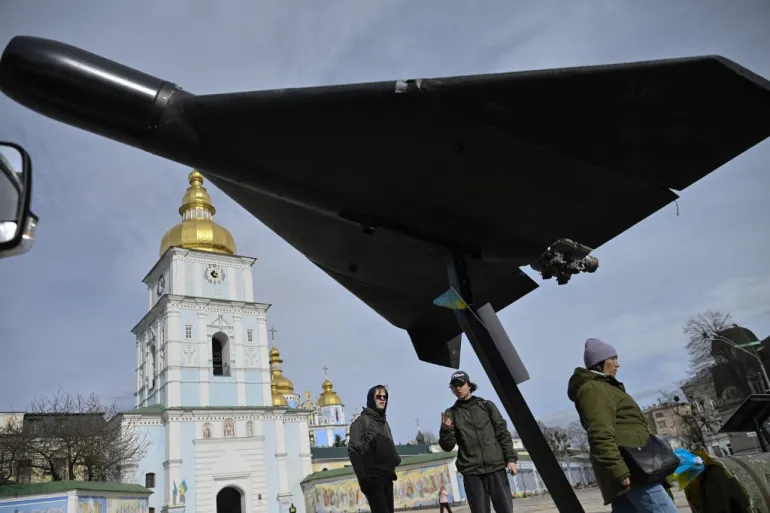
However, ongoing military activities leading up to the ceasefire, including drone and missile strikes, have reinforced concerns that both sides may continue to operate aggressively despite formal agreements. This contradiction between diplomatic gestures and battlefield realities highlights the challenges of achieving meaningful progress in peace negotiations.
Humanitarian Relief and Strategic Calculations in a Prolonged War
While limited in scope, the Easter ceasefire carries humanitarian significance, offering civilians in conflict-affected regions a brief respite from violence. It also allows for continued humanitarian exchanges, including the return of soldiers’ remains and other confidence-building measures that have persisted even amid active hostilities.
Such exchanges indicate that, despite the intensity of the conflict, channels of communication between the two sides remain open. These interactions, though limited, play a crucial role in maintaining a minimum level of engagement and preventing a complete breakdown of dialogue.
At a strategic level, the ceasefire reflects broader calculations by both Russia and Ukraine. For Russia, the truce serves as a demonstration of willingness to engage in limited de-escalation while maintaining military readiness. For Ukraine, it represents an opportunity to reinforce its position as open to peace while placing the burden of compliance on Moscow.
The timing of the ceasefire also coincides with ongoing diplomatic efforts involving international actors, although progress toward a comprehensive peace agreement remains elusive. The war, now in its fifth year, continues to be shaped by competing territorial claims, security concerns, and geopolitical rivalries that extend far beyond the immediate battlefield.
Ultimately, the 32-hour ceasefire highlights both the possibilities and limitations of diplomacy in the Russia-Ukraine conflict. While it offers a momentary pause and a symbolic gesture of goodwill, it also serves as a reminder of the deep divisions and unresolved issues that continue to drive the war.