

Trump Vows U.S. Will Retrieve Iran’s Enriched Uranium Amid Rising Nuclear Fears
Fresh geopolitical tensions erupted after Donald Trump declared that the United States would eventually recover Iran’s stockpile of highly enriched uranium, intensifying fears of a renewed confrontation over Tehran’s nuclear program and raising concerns across global diplomatic circles.
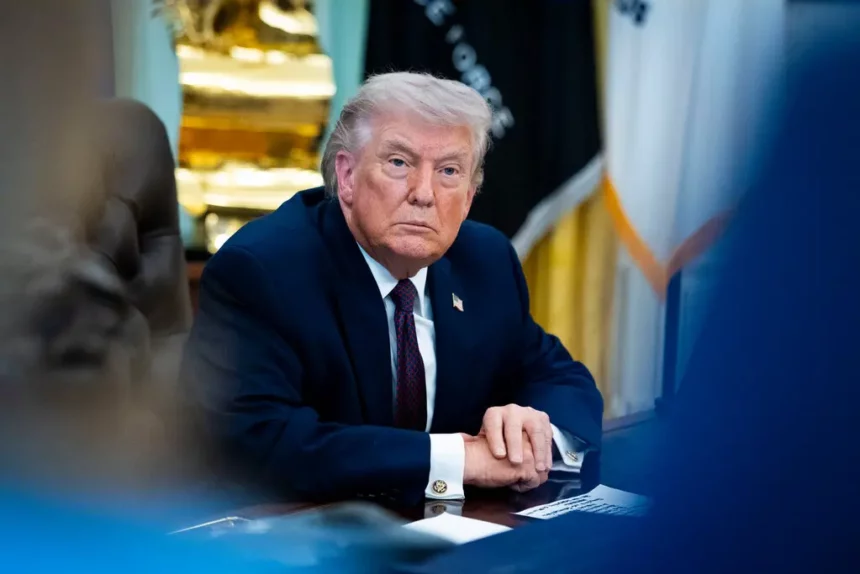
Speaking at the White House during an appearance alongside Environmental Protection Agency Administrator Lee Zeldin, Trump delivered one of his strongest public remarks yet regarding Iran’s nuclear capabilities. The U.S. president insisted that Washington would not allow Tehran to retain access to highly enriched uranium, even after Iranian officials reportedly stated they would never surrender the material.
“We will get it. We don’t need it, we don’t want it. We’ll probably destroy it after we get it, but we’re not going to let them have it,” Trump told reporters during the Oval Office interaction, instantly triggering international attention and renewed debate surrounding Middle East security.
The remarks come at a time of heightened uncertainty over Iran’s nuclear ambitions, regional military tensions and the future of diplomatic negotiations between Tehran and Western powers. Analysts say Trump’s comments could significantly escalate already fragile geopolitical dynamics involving the United States, Israel and Iran.
Growing Concerns Over Iran’s Uranium Stockpile
At the center of the latest controversy is Iran’s reported stockpile of highly enriched uranium, which Western intelligence assessments believe remains one of the most sensitive issues in global nuclear diplomacy.
According to estimates referenced by American officials, Iran is believed to possess approximately 900 pounds of highly enriched uranium. Such material can potentially be used for civilian nuclear purposes if processed under international safeguards, but critics argue that enrichment levels close to weapons-grade capability create serious proliferation concerns.
Trump suggested that much of the uranium stockpile may have been buried or concealed following U.S. and Israeli airstrikes carried out nearly a year ago. However, uncertainty remains regarding the exact condition and location of the material.
The issue has become increasingly controversial because highly enriched uranium represents one of the most strategically significant components in nuclear development programs.
International observers warn that any ambiguity surrounding Iran’s stockpile could intensify regional security anxieties and fuel further confrontation between Tehran and its adversaries.
Trump Adopts Hardline Position on Iran
Donald Trump has consistently maintained a confrontational stance toward Iran throughout his political career, particularly regarding its nuclear activities.
During his previous presidency, Trump withdrew the United States from the 2015 Iran nuclear agreement, officially known as the Joint Comprehensive Plan of Action. The deal had been negotiated between Iran and world powers including the United States, United Kingdom, France, Germany, Russia and China.
Trump argued that the agreement failed to permanently block Iran’s pathway to nuclear weapons and criticized it as one-sided and ineffective.
Following the withdrawal, the United States imposed sweeping economic sanctions on Iran, significantly escalating tensions between the two countries.
The latest remarks indicate that Trump’s administration continues to prioritize aggressive pressure tactics against Tehran rather than diplomatic compromise.
Political analysts believe the president’s comments are intended both as a warning to Iran and as a message to U.S. allies regarding Washington’s determination to prevent Iranian nuclear expansion.
Iran Rejects Pressure Over Nuclear Material
Iranian officials have repeatedly denied accusations that the country is pursuing nuclear weapons capabilities.
Tehran insists its nuclear program is intended solely for peaceful civilian and energy-related purposes.
At the same time, Iranian leaders have strongly resisted international pressure demanding restrictions on uranium enrichment activities.
Reports that Iran refuses to surrender its uranium stockpile have further complicated already strained diplomatic relations with Western nations.
Iran has also accused the United States and Israel of carrying out hostile operations targeting its nuclear infrastructure and scientific personnel.
Tehran argues that its nuclear rights are protected under international agreements and that foreign powers are attempting to limit its sovereignty and technological advancement.
The latest exchange between Washington and Tehran therefore reflects broader geopolitical struggles extending beyond nuclear policy alone.
Israeli Security Concerns Intensify
Trump’s remarks are likely to receive strong attention in Israel, where Iranian nuclear ambitions remain one of the country’s top national security concerns.
Israeli officials have repeatedly warned that Iran obtaining nuclear weapons capability would fundamentally alter regional security dynamics and threaten Israeli existence.
Over the years, Israel has allegedly conducted covert operations targeting Iranian nuclear facilities, scientists and military infrastructure.
Although Israeli authorities rarely publicly acknowledge such actions, regional analysts widely believe Israel continues maintaining active intelligence and military efforts aimed at slowing Iran’s nuclear progress.
Trump’s reference to previous U.S.-Israeli airstrikes reinforces growing speculation regarding ongoing coordination between Washington and Tel Aviv on Iran-related security issues.
Security experts believe any future escalation involving Iran’s uranium stockpile could rapidly trigger wider regional instability involving multiple Middle Eastern powers.
Global Diplomacy Faces Renewed Pressure
The latest developments arrive during an already fragile phase in international diplomacy surrounding Iran’s nuclear program.
Efforts to revive negotiations or establish new agreements have repeatedly stalled amid disagreements over sanctions, inspections and enrichment restrictions.
European governments continue expressing concern regarding rising uranium enrichment levels and declining transparency surrounding Iranian nuclear activities.
Meanwhile, Russia and China have often advocated diplomatic engagement and opposed aggressive unilateral pressure measures against Tehran.
Trump’s comments could further complicate attempts to rebuild multilateral diplomatic frameworks involving Iran and global powers.
Diplomatic observers say the rhetoric from Washington may increase pressure on Iran but also risks pushing negotiations further away from compromise.
Nuclear Tensions Reshape Middle East Politics
The Iranian nuclear issue has long shaped strategic alignments and military calculations throughout the Middle East.
Regional rivals including Saudi Arabia and Gulf nations closely monitor developments related to Tehran’s nuclear capabilities.
Many Arab governments remain concerned about Iran’s expanding regional influence through allied political and armed groups operating across multiple countries.
At the same time, fears of military escalation involving Iran create anxiety regarding energy markets, trade routes and regional economic stability.
The possibility of confrontation involving nuclear facilities or uranium stockpiles carries particularly serious global implications because of potential environmental and geopolitical consequences.
Energy markets often react sharply to any signs of escalating Middle East conflict due to the region’s central role in global oil and gas supplies.
Analysts Warn Against Escalatory Rhetoric
International security experts have urged caution following Trump’s statements, warning that highly aggressive rhetoric may deepen tensions and reduce diplomatic flexibility.
Some analysts argue that public declarations regarding recovering or destroying another country’s uranium stockpile could be interpreted as threats, increasing the risk of retaliatory responses.
Others believe the remarks are intended primarily for strategic signaling rather than immediate military action.
Still, the comments have intensified discussions regarding how far the United States and its allies might be willing to go in confronting Iran over nuclear issues.
Foreign policy observers note that public messaging from world leaders often influences market reactions, diplomatic positioning and military calculations even before concrete actions occur.
Domestic Political Impact in the United States
Trump’s strong position on Iran also carries domestic political significance within the United States.
National security and foreign policy issues remain central topics in American political debate, particularly regarding Middle East strategy and nuclear nonproliferation.
Supporters of Trump’s approach argue that strong deterrence and maximum pressure are necessary to prevent Iran from advancing toward nuclear weapons capability.
Critics, however, warn that abandoning diplomatic engagement risks triggering unnecessary escalation and instability.
The latest remarks are expected to fuel further political debate over America’s long-term strategy toward Iran and broader Middle East policy.
Uncertainty Continues Over Iran’s Nuclear Future
Despite years of negotiations, sanctions and international monitoring efforts, Iran’s nuclear program remains one of the world’s most unresolved geopolitical challenges.
Questions surrounding uranium enrichment, inspections and military capabilities continue creating uncertainty across international diplomacy.
Trump’s comments have once again placed the issue at the center of global attention, reviving fears of potential confrontation while highlighting the fragile state of nuclear diplomacy.
As tensions rise, governments across the world are likely to monitor developments closely, particularly any signals regarding military activity, diplomatic negotiations or changes in Iran’s nuclear operations.
For now, the latest exchange serves as another reminder that the Iranian nuclear issue remains deeply connected to broader struggles involving regional power, global security and the future of international diplomacy.