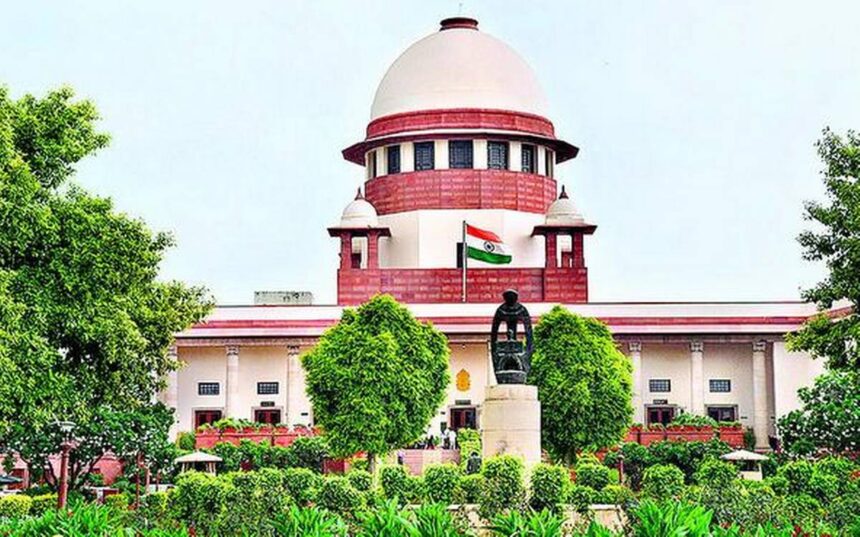
The order comes amid ongoing disputes over the Special Intensive Revision (SIR) of electoral rolls in West Bengal, where lakhs of voters had been placed under adjudication or temporarily removed from the voter list. With polling scheduled to begin on April 23, the court’s direction focuses on ensuring transparency and protecting voting rights through updated supplementary lists. The decision is expected to impact voter participation in one of India’s most politically significant state elections.
Court Intervention on Voter List Revision
The Supreme Court’s intervention addresses concerns arising from the ongoing voter list verification process conducted by the Election Commission of India. Under the SIR exercise, electoral rolls were reviewed to identify ineligible entries, leading to deletions and temporary exclusions of a large number of voters.
Reports indicate that supplementary voter lists will be published in phases to incorporate those whose eligibility has been confirmed through adjudication or tribunal decisions. The court has emphasized that voters whose names are restored through legal processes must be included in time to exercise their franchise.
The issue has become particularly sensitive due to the scale of exclusions, with several lakh voters awaiting clarity on their status just days before polling. The Supreme Court’s directions aim to ensure that eligible citizens are not denied voting rights due to procedural delays.
Supplementary List Before April 23 Polling
The court has allowed the Election Commission and state electoral authorities to release supplementary electoral rolls before the first phase of voting. These lists will include voters whose appeals have been resolved in their favour and whose documentation has been verified.
According to official sources, supplementary lists will be published on April 21 for the first phase, just two days before polling on April 23. This tight timeline highlights the urgency of resolving pending voter eligibility cases.
The Supreme Court has also directed that appellate tribunal decisions taken before the cutoff dates must be immediately reflected in updated voter rolls. This ensures that restored voters are not left out of the electoral process due to administrative delays.
Electoral Transparency and Legal Oversight
The voter list revision process in West Bengal has involved extensive judicial oversight, with tribunals and judicial officers reviewing millions of claims and objections. The Supreme Court has earlier emphasized the need to maintain both accuracy and fairness in electoral rolls while preventing disenfranchisement.
The Special Intensive Revision process has led to the scrutiny of a large number of entries, with several lakh names under verification or appeal. Concerns have been raised over whether all eligible voters will be able to participate given the tight election schedule and ongoing adjudication process.
The court’s latest order seeks to balance administrative constraints with constitutional voting rights, reinforcing that electoral integrity must not come at the cost of excluding genuine voters.
Impact on West Bengal Elections
The West Bengal Assembly elections, scheduled in multiple phases starting April 23, are expected to be closely contested. The voter list controversy has added another layer of political tension, with parties debating the fairness and timing of deletions and restorations.
The introduction of supplementary voter lists is expected to significantly influence voter turnout, especially in constituencies where large numbers of names were under dispute. Election authorities have been instructed to ensure that updated rolls are properly displayed and accessible at polling stations and online platforms.
The Supreme Court’s intervention is seen as a key step in ensuring that administrative processes do not disrupt democratic participation, particularly in a high-stakes election environment.