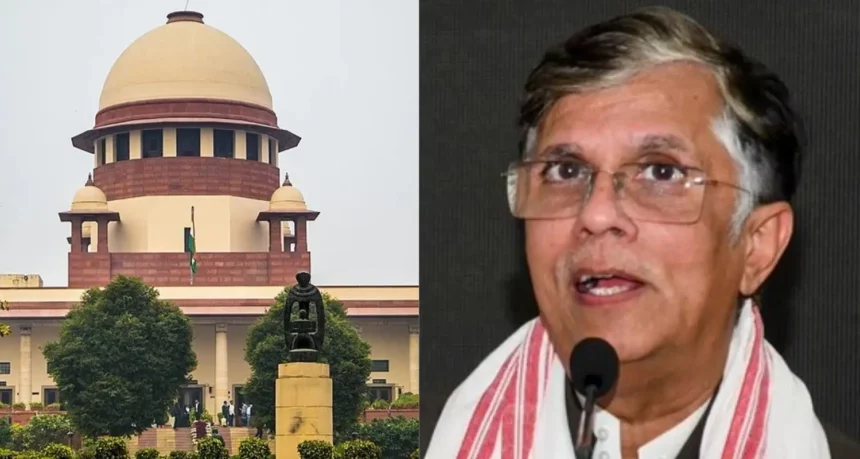
A major legal and political development unfolded as the Supreme Court of India heard a plea filed by the Assam government challenging the transit anticipatory bail granted to Pawan Khera. The case stems from allegations made by Khera against the wife of Assam Chief Minister Himanta Biswa Sarma, which triggered a criminal investigation and intensified political tensions in the state.
Supreme Court Stays Telangana High Court Relief
During the April 15 hearing, the Supreme Court stayed the order of the Telangana High Court that had granted Khera one-week transit anticipatory bail. The apex court issued notice to Khera and sought his response within three weeks, marking a setback for the Congress leader.
The court clarified that while the interim protection has been halted, Khera remains free to approach a competent court in Assam to seek anticipatory bail. This ensures that due legal process continues within the jurisdiction where the case was registered.
Background of the Case and Allegations
The controversy began after Khera made public allegations regarding multiple passports and foreign assets linked to the wife of Himanta Biswa Sarma. These claims were strongly denied, leading to the filing of an FIR in Guwahati under multiple legal provisions.
Following the FIR, Khera approached the Telangana High Court, citing apprehension of arrest. The High Court granted him limited transit bail, allowing him time to seek relief from a court with proper jurisdiction. However, the Assam government challenged this relief in the Supreme Court, arguing procedural and legal concerns.
Assam Government’s Argument and Legal Challenge
The Assam government contended that the Telangana High Court’s decision was not appropriate, raising concerns about jurisdiction and alleging misuse of legal processes. It argued that the case should be handled strictly within Assam, where the FIR was registered and the investigation is ongoing.
Legal representatives also described the move to seek bail from another state as “forum shopping,” emphasizing the need for consistency in judicial proceedings. The Supreme Court took note of these arguments while deciding to stay the earlier order.
Political Context and Broader Implications
The case has gained significant political attention due to its timing during the Assam Assembly election cycle. The dispute between opposition leaders and the ruling state government has added a layer of political intensity to the legal proceedings.
The Supreme Court’s intervention underscores the importance of jurisdictional clarity and procedural fairness in criminal cases involving interstate dimensions. The final outcome will likely set an important precedent on how transit anticipatory bail is interpreted in similar situations.
The matter is now expected to proceed with further hearings after Khera submits his response, while parallel legal proceedings may continue in Assam courts.