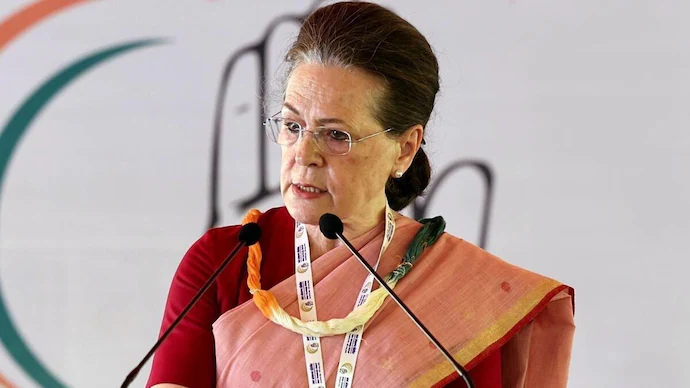
The political debate surrounding the Women’s Reservation Bill has intensified after Sonia Gandhi raised serious concerns over the government’s approach, particularly questioning the intent behind linking the legislation with delimitation and the timing of proposed constitutional changes. The issue has gained national attention as it intersects with electoral politics, governance priorities, and constitutional processes. While the bill itself aims to enhance women’s representation in legislative bodies, the surrounding debate reflects deeper disagreements over its implementation framework and political implications.
The Women’s Reservation Bill, formally known as Nari Shakti Vandan Adhiniyam, seeks to reserve 33 percent of seats in the Lok Sabha and state assemblies for women. Passed in 2023, the law was widely supported across political parties. However, its implementation has been linked to the completion of a nationwide census and subsequent delimitation exercise, which has now become the central point of contention between the government and opposition parties.
Delimitation Concerns And Census Delay Become Central Political Issue
Sonia Gandhi has argued that the real issue is not women’s reservation itself but the delimitation process being tied to it. She has described the proposed approach as potentially harmful to constitutional balance, warning that proceeding without an updated census could lead to inequitable political representation.
Delimitation refers to the redrawing of constituency boundaries based on population data. According to opposition leaders, conducting this exercise without updated and comprehensive census data raises concerns about fairness and representation. Gandhi emphasized that any delimitation must be preceded by a proper census to ensure that political representation reflects current demographic realities.
Another major concern highlighted is the delay in conducting the national census, which was expected earlier. The absence of updated population data has implications not only for delimitation but also for welfare policies, resource allocation, and governance planning. Critics argue that proceeding with structural electoral changes without this data could undermine democratic principles.
Gandhi also questioned the urgency with which the government is attempting to move forward with amendments. She suggested that the timing of legislative action during ongoing election cycles could be politically motivated, aiming to influence public perception and gain electoral advantage.
Government Push And Political Counter Narratives Shape Debate
The central government, led by Narendra Modi, has defended the Women’s Reservation Bill as a transformative step toward strengthening democracy and promoting women-led development. The government has indicated its commitment to implementing the reservation framework, positioning it as a historic reform in India’s political landscape.
The proposed legislative changes aim to expedite the implementation of women’s reservation, potentially aligning it with future elections. Reports suggest that the government is considering adjustments that could enable the quota to be लागू earlier than initially planned, though this would still involve delimitation as a prerequisite.
Supporters of the government argue that the bill represents a long-awaited reform that will enhance gender equality in political representation. They emphasize that increasing women’s participation in legislative bodies is essential for inclusive governance and balanced policymaking.
At the same time, opposition parties have clarified that they support women’s reservation in principle but oppose the current framework of implementation. The criticism is focused on the methodology rather than the objective, highlighting concerns about transparency, timing, and fairness.
Constitutional, Political And Electoral Implications Of Ongoing Debate
The ongoing debate over the Women’s Reservation Bill reflects broader questions about constitutional processes and electoral reforms in India. The linkage between reservation and delimitation introduces complexities that extend beyond gender representation, affecting the overall structure of electoral constituencies.
One of the key issues is the potential expansion of Lok Sabha seats as part of the delimitation exercise. This could significantly alter political representation across states, raising concerns about regional balance and federal dynamics. Opposition leaders have warned that such changes must be carefully considered to avoid unintended consequences.
The demand for an OBC sub-quota within the women’s reservation framework has also emerged as a critical issue. Sonia Gandhi and other leaders have emphasized the need to ensure inclusive representation within the quota system, addressing concerns of social equity and diversity.
The timing of the proposed legislative changes has further intensified the debate. With elections underway in several states, the introduction of major constitutional amendments has been viewed by critics as politically strategic. This has led to calls for broader consultations and an all-party meeting to discuss the proposals in detail.
The Election Commission’s oversight and the broader democratic framework remain central to ensuring that any changes are implemented transparently and fairly. The debate highlights the importance of consensus-building in matters involving constitutional amendments, which require broad political support.
The Women’s Reservation Bill continues to be a landmark reform with the potential to reshape India’s political landscape. However, the current controversy underscores the challenges of implementing large-scale structural changes in a complex and diverse democracy.