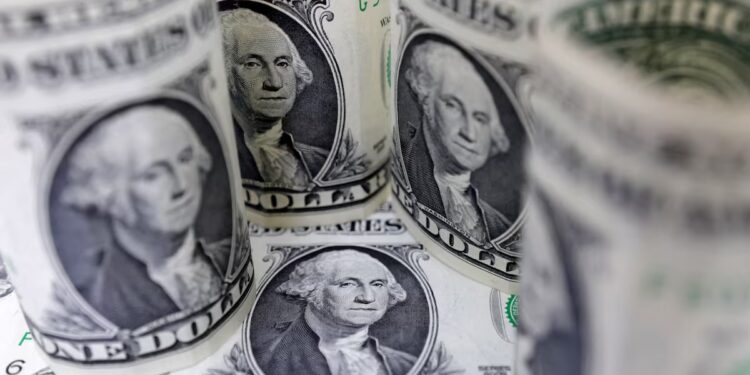
As geopolitical tensions in the Middle East escalated, the U.S. dollar saw modest gains on Monday, with investors turning to it as a safe-haven asset amid growing fears of a wider regional conflict between Israel and Iran. The situation, combined with a critical week ahead for global central banks, has kept markets on edge and cautious.
Safe-haven demand boosts dollar
The dollar rose 0.14% to 144.3 Japanese yen, while the euro slipped by the same margin to $1.1534. It remained steady against the Swiss franc at 0.81, and the U.S. Dollar Index, which tracks the greenback against six major currencies, held firm at 98.25. Meanwhile, risk-sensitive currencies like the Australian and New Zealand dollars recorded slight gains, although overall sentiment remained wary.
Market jitters were driven by fears that Iran could retaliate against Israel by attempting to block the Strait of Hormuz, a crucial route for global oil shipments. Such a move would threaten to disrupt energy markets and increase inflationary pressures worldwide. The threat follows Israel’s surprise attack on Iran on Friday, which led to the cancellation of nuclear talks between Tehran and Washington that were planned for the weekend.
Investor focus shifts to central bank decisions
Despite the dollar’s recent gains, analysts remain divided on whether the upward trend will continue, especially as attention now shifts to key central bank meetings. The U.S. Federal Reserve is set to announce its monetary policy decision on Wednesday. While it’s expected to keep interest rates unchanged, markets are keenly watching for any signals in the Fed’s commentary regarding softer economic data and persistent inflation risks.
Chris Weston of Pepperstone noted that the Fed’s updated growth forecasts are likely to reflect a shift toward slower economic momentum, which may keep its policy stance neutral. Meanwhile, the Bank of Japan will conclude its two-day meeting on Tuesday, with traders expecting no major changes but closely monitoring any hints of future reductions in government bond holdings.
Other central banks, including those in the UK, Sweden, and Norway, are also preparing to reveal their policy stances this week. Amid the uncertainty, gold prices climbed 0.22% to $3,435.5 per ounce, nearing their April record high. U.S. Treasury yields also edged slightly lower as investors continued to assess the broader implications of heightened geopolitical risks.