Maharashtra Navnirman Sena chief Raj Thackeray has stirred controversy by refusing to drink water brought from the holy confluence of the Ganga and Yamuna at the recently concluded Maha Kumbh in Uttar Pradesh’s Prayagraj. Raj Thackeray, who is part of the Bharatiya Janata Party-led alliance at the center, cited health concerns and reports of water pollution as the reasons behind his decision. His comments have triggered political reactions and reignited discussions on the long-standing issue of pollution in India’s sacred rivers.
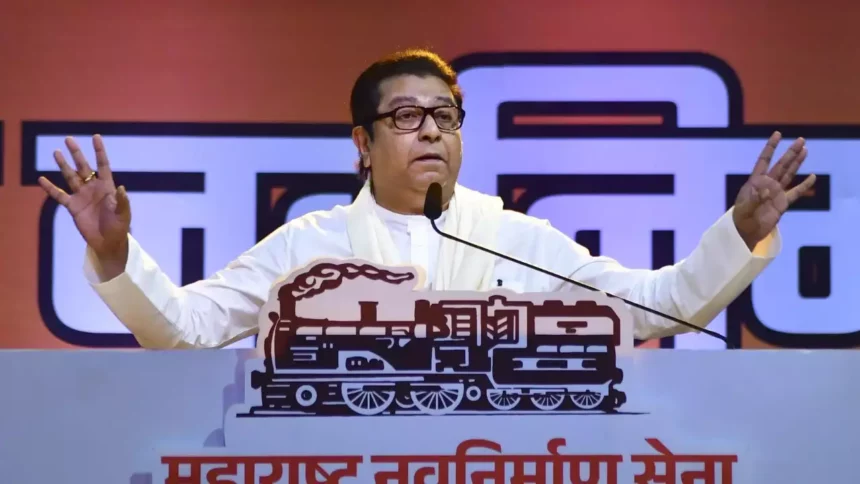
Addressing party workers in Mumbai, Raj Thackeray revealed that Maharashtra Navnirman Sena leader Bala Nandgaonkar had visited the Maha Kumbh and brought back a bottle of Ganga water for him. However, Raj Thackeray refused to drink it, questioning the cleanliness of the river after millions of devotees bathed in it. He argued that despite its religious significance, the river is not maintained properly. “We call our rivers ‘mother’, but we don’t keep them clean,” he remarked.
During his speech, Raj Thackeray also pointed out that several people who had attended the Maha Kumbh reported falling ill after returning. He questioned the belief that the Ganga’s waters have the ability to cleanse sins, asking why people indulge in wrongdoing that they later try to wash away in the river. His remarks were reported by a media outlet and soon gained traction in political circles.
His comments drew sharp reactions from the opposition. Shiv Sena (Uddhav Balasaheb Thackeray faction) Member of Parliament Priyanka Chaturvedi demanded an official response from Prime Minister Narendra Modi, Union Home Minister Amit Shah, and the chief ministers of Uttar Pradesh and Maharashtra—both Bharatiya Janata Party-ruled states. Priyanka Chaturvedi criticized the Bharatiya Janata Party’s stance on the Maha Kumbh and questioned its commitment to ensuring the cleanliness of the Ganga and Yamuna rivers.
Raj Thackeray’s remarks come in the wake of a report submitted by the Central Pollution Control Board to the National Green Tribunal, which highlighted high levels of faecal coliform bacteria in the water from the Ganga and Yamuna. The study attributed the increase in contamination to the massive influx of devotees bathing in the river during the Maha Kumbh. However, Uttar Pradesh Chief Minister Yogi Adityanath dismissed the findings, asserting that the water at the holy confluence was “fit for drinking.” Yogi Adityanath did not provide evidence to counter the pollution report but accused the opposition of trying to discredit the Bharatiya Janata Party’s role in organizing the Maha Kumbh.
Soon after, a professor from Prayagraj’s Allahabad University questioned the accuracy of the Central Pollution Control Board report, alleging data mismatches and exaggerated conclusions regarding faecal coliform levels. Last week, the Central Pollution Control Board itself withdrew its report, citing “variability in data” collected from different locations along the riverbank at different times. The board later stated that the water was indeed suitable for bathing, reversing its earlier findings.
Pollution in the Ganga and Yamuna has long been a subject of concern for environmental activists and regulatory bodies. Untreated sewage and industrial waste flowing into the rivers remain significant challenges despite multiple government initiatives aimed at cleaning them. During the Maha Kumbh, nearly 60 crore people—almost half of India’s population—bathed in or consumed the river water, according to the Uttar Pradesh government. This mass gathering has intensified concerns over water quality and public health risks.
Raj Thackeray’s remarks have further fueled discussions on river pollution and the effectiveness of current measures to preserve India’s sacred water bodies. With political parties taking opposing stances on the issue, the debate over the cleanliness of the Ganga and its impact on devotees’ health is likely to continue in the coming months.