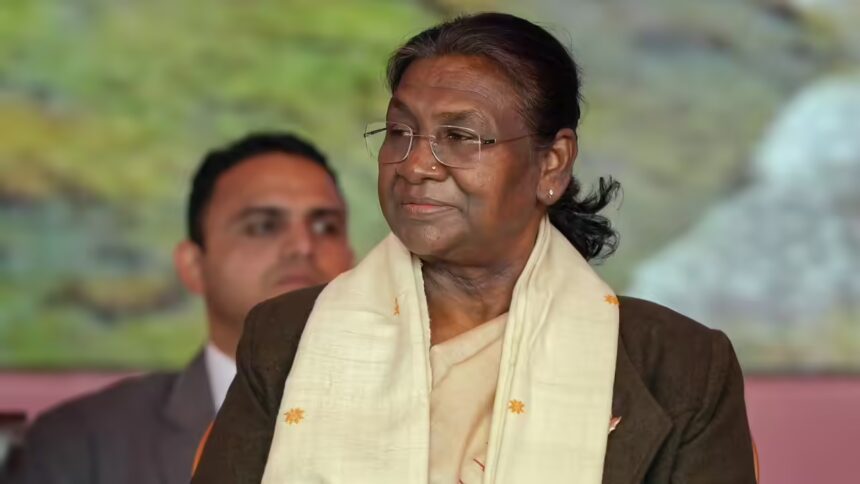
The upcoming visit of President Droupadi Murmu to Shimla has prompted a comprehensive administrative response, reflecting the significance of the occasion and the need for meticulous planning. Scheduled from April 27 to May 2, the President will reside at her official summer retreat, known as ‘The Retreat,’ located in the serene surroundings of Mashobra, near Shimla. This visit is not only a routine official engagement but also an event that requires seamless coordination among multiple government departments to maintain the dignity and security associated with the office of the President of India.
The announcement regarding the visit was formally shared by Shimla District Magistrate Anupam Kashyap during a high-level review meeting. The meeting brought together senior officials from various departments, including police, health, public works, municipal services, and emergency response units. The primary objective was to assess preparedness levels and ensure that all arrangements are completed within a strict timeline, leaving no room for lapses.
One of the central aspects of the preparation revolves around infrastructure readiness. The route connecting the airport to The Retreat is being closely monitored, with the Public Works Department instructed to undertake immediate repairs and ensure smooth connectivity. Given Shimla’s hilly terrain and unpredictable weather conditions, road quality plays a crucial role in ensuring safe and efficient movement of the presidential convoy. Authorities are focusing not only on repairs but also on maintaining the route throughout the duration of the visit.
Helipad readiness is another critical component of the preparations. Both Annadale Helipad and Kalyani Helipad have been identified as key landing points, and officials have been directed to ensure they are fully operational. These helipads serve as vital access points in a region where road travel can be time-consuming. Ensuring their readiness provides flexibility in logistical planning and enhances security measures.
Sanitation and cleanliness have also been prioritized. The Shimla Municipal Corporation has been tasked with conducting an extensive cleanliness drive within The Retreat premises and surrounding areas. This includes waste management, road sweeping, and maintaining hygienic conditions in nearby localities. Such efforts are essential not only for aesthetic reasons but also to uphold public health standards during a high-profile visit.
Water supply management is another area receiving special attention. The Shimla Jal Prabandhan Nigam Limited (SJPNL) has been instructed to ensure uninterrupted water supply to The Retreat. Given the seasonal fluctuations in water availability in hill stations, authorities are taking proactive measures to prevent any disruptions. Backup arrangements are also being considered to handle unforeseen contingencies.
Safety measures form the backbone of the entire preparation framework. The Fire Department has been directed to conduct a comprehensive fire safety audit of The Retreat and other associated locations. This includes checking fire extinguishers, hydrants, emergency exits, and response protocols. The objective is to ensure that any emergency situation can be handled swiftly and effectively, minimizing risks to life and property.
Healthcare preparedness is equally critical. The Health Department has been instructed to deploy a dedicated 24×7 medical team along with an ambulance stationed at strategic locations. Medical professionals will remain on standby throughout the visit to address any health-related concerns. Additionally, continuous testing of food samples has been mandated to ensure the highest standards of food safety. This step is particularly important in preventing foodborne illnesses and maintaining the well-being of all individuals involved.
Security arrangements are being handled with utmost seriousness. Senior police officials, including the Superintendent of Police and other high-ranking officers, are actively involved in planning and execution. Multi-layered security protocols are being implemented, covering access control, surveillance, traffic management, and emergency response. Coordination between local police and central security agencies is being strengthened to ensure a foolproof security setup.
The Retreat itself holds historical and administrative significance. Originally built during the British era, it has served as the summer residence for the President of India for decades. Nestled amidst lush greenery and offering panoramic views of the Himalayas, the property symbolizes continuity and tradition in India’s governance framework. Its maintenance and readiness are therefore of paramount importance during any presidential visit.
The presence of multiple senior officials at the review meeting underscores the importance of inter-departmental coordination. Officials such as the Senior Superintendent of Police, Additional Deputy Commissioner, Additional Superintendent of Police, and other administrative officers are working in close collaboration. Each department has been assigned specific responsibilities, with clear timelines and accountability measures in place.
Traffic management is another aspect being carefully planned. Given Shimla’s narrow roads and frequent congestion, authorities are expected to implement special traffic regulations during the visit. This may include route diversions, restricted access zones, and dedicated lanes for official movement. The aim is to ensure smooth traffic flow while minimizing inconvenience to residents and tourists.
Communication systems are also being strengthened. Reliable communication is essential for effective coordination among various agencies. Authorities are ensuring that all communication channels, including wireless networks and emergency lines, are fully functional. Backup systems are also being put in place to handle any technical disruptions.
The visit is expected to have a positive impact on the local administration’s efficiency and preparedness. Such high-level engagements often serve as opportunities to upgrade infrastructure, improve service delivery, and enhance coordination mechanisms. The benefits of these improvements extend beyond the duration of the visit, contributing to long-term development.
Local residents and stakeholders are also being sensitized about the visit. Awareness campaigns may be conducted to inform the public about traffic arrangements, security protocols, and other relevant guidelines. Public cooperation plays a crucial role in ensuring the success of such events.
Environmental considerations are also being taken into account. Shimla, being an ecologically sensitive region, requires careful handling of waste and resources. Authorities are likely to emphasize sustainable practices, such as proper waste disposal and minimal environmental impact, during the visit.
The role of technology in the preparations cannot be overlooked. Surveillance systems, including CCTV cameras, are being deployed to enhance security monitoring. Real-time data sharing and digital coordination tools are being used to streamline operations and improve response times.
Emergency preparedness extends beyond fire safety and healthcare. Disaster management teams are also being kept on standby to handle any unforeseen situations, such as landslides or adverse weather conditions. Comprehensive contingency plans are being developed to address a wide range of scenarios.
The visit of President Droupadi Murmu to Shimla highlights the importance of administrative readiness and coordination in managing high-profile events. It showcases the ability of local and state authorities to work together efficiently, ensuring that all aspects—from infrastructure and sanitation to security and healthcare—are addressed comprehensively.
As the dates approach, the focus remains on timely execution and strict adherence to guidelines. Officials have been clearly instructed to avoid any lapses, reflecting the seriousness with which the visit is being treated. Continuous monitoring and review mechanisms are being employed to track progress and address any emerging issues.
In conclusion, the preparations for the President’s visit to Shimla represent a well-coordinated effort involving multiple departments and stakeholders. The emphasis on infrastructure, safety, healthcare, and environmental sustainability underscores the holistic approach being adopted. Such meticulous planning not only ensures the success of the visit but also strengthens the administrative framework, leaving a lasting positive impact on the region.