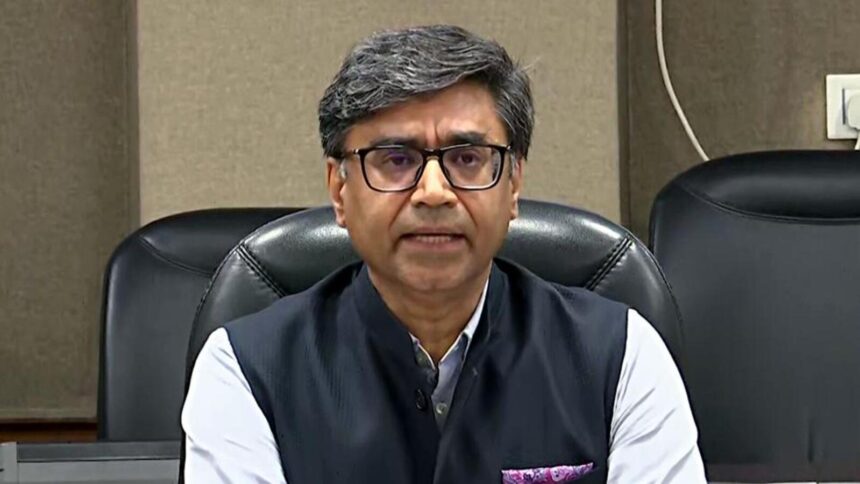
Foreign Secretary Vikram Misri faced a wave of online trolling after he announced a bilateral understanding between India and Pakistan on the ceasefire issue. The abuse targeted Vikram Misri personally, with some users even attacking his family, including his daughters. In response, Vikram Misri made his social media account private. The online vitriol sparked widespread condemnation from political leaders, former diplomats, and members of the Indian Administrative Service (IAS).
Support for Vikram Misri from Political Figures and Diplomats
The trolling incident quickly garnered attention from prominent political figures and diplomats who voiced their support for Vikram Misri and condemned the online abuse. Former Foreign Secretary Nirupama Menon Rao expressed her strong disapproval on social media, describing the personal attacks as “utterly shameful.” Rao praised Vikram Misri’s professionalism and unwavering commitment to India, emphasizing that such attacks, including the targeting of his family, were unacceptable. She also called for unity in support of diplomats rather than tearing them down. Vikram Misri’s long-standing service to India as a dedicated diplomat was highlighted, with calls for the hate-filled online behavior to stop immediately.
IAS Association’s Solidarity with Vikram Misri
The IAS Association also voiced its support, condemning the personal attacks directed at Vikram Misri. The association reaffirmed its commitment to upholding the dignity of civil servants who serve with integrity. Their statement emphasized the importance of standing in solidarity with Vikram Misri and his family, reiterating that attacks on individuals fulfilling their duties with professionalism were regrettable and should not be tolerated. The support from the IAS Association reinforced the broader sentiment of solidarity within the civil service.
Meanwhile, Samajwadi Party Chief Akhilesh Yadav also condemned the situation, calling the attacks “disgraceful and shameful.” Yadav questioned the BJP government’s lack of action and demanded an investigation into the social media accounts responsible for spreading such harmful content. He criticized the government for not taking measures to protect public servants and their families from online abuse, calling for a swift investigation by agencies like the CBI and ED.
The incident, which arose following Vikram Misri’s announcement about the India-Pakistan ceasefire, highlights the ongoing challenges faced by public figures, especially diplomats, who often become targets of unwarranted online hostility. Vikram Misri had stated that India had taken a serious note of the violations from Pakistan’s side, with instructions given to India’s Armed Forces to handle any further breaches decisively. However, the online abuse that followed overshadowed his official statements and drew attention to the toxic nature of online discourse.