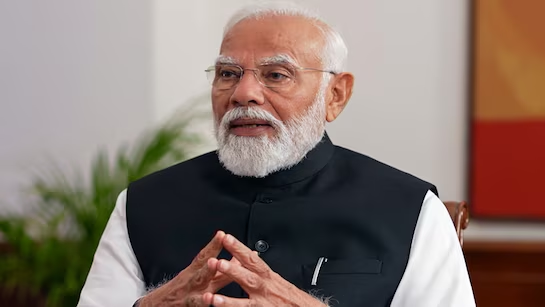
Prime Minister Narendra Modi’s upcoming July 23-24 visit to the United Kingdom, his fourth since taking office in 2014, is brief but loaded with strategic intent. While a landmark free trade agreement (FTA) is at the centre of the visit, the agenda spans far beyond trade, touching on deeper defence cooperation, technology partnerships, and India’s security concerns, including action against fugitive economic offenders and the persistent threat posed by Khalistani extremism. As PM Modi prepares to meet UK Prime Minister Keir Starmer and King Charles III, the visit is set to reset and elevate India-UK ties amid changing global and domestic priorities for both nations.
Trade Deal to Anchor Bilateral Reset
A central goal of PM Modi’s visit is the anticipated signing of the India-UK FTA, which has been under negotiation for over two years. For India, the deal promises zero-tariff access on 99% of its exports to the UK, providing a significant edge to Indian textiles and apparel against competitors such as Bangladesh and Vietnam, who currently face tariffs between 4-16%. In return, the UK will see reduced tariffs on 90% of its exports to India, including whisky, cars, lamb, and medical devices.
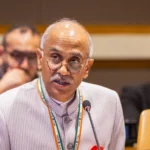
India’s high commissioner to the UK, Vikram Doraiswami, underscored the significance of the visit, stating that even though it is a short trip, the opportunity it presents for advancing the relationship is considerable. “The focus is really on looking at where next we can take the relationship,” Doraiswami said, highlighting how the FTA is expected to expand commerce, investment flows, and economic cooperation between the two countries at a critical juncture for both economies.
The India-UK partnership was upgraded to a Comprehensive Strategic Partnership in 2021, which has since enabled a series of high-level political exchanges and new initiatives, including the Technology Security Initiative that is nearing its first anniversary. The collaboration aims to advance cooperation in critical and emerging technologies, underlining the shared ambition to build a future-ready partnership.
Security Concerns: Khalistan and Terrorism on Agenda
Beyond trade, security cooperation is a critical priority during PM Modi’s visit, with New Delhi set to press London on action against fugitive economic offenders and on tackling the threat posed by Khalistani extremist networks operating from the UK. The presence of pro-Khalistan elements in Britain has been a persistent concern for India, with incidents such as the March breach of security involving Indian foreign minister S Jaishankar’s vehicle in London remaining fresh in memory.
In anticipation of the visit, the UK has reportedly put in place extensive security arrangements to prevent any disruptions by Khalistani groups, ensuring that the visit proceeds without incidents that could overshadow the broader diplomatic objectives. India’s foreign secretary Vikram Misri has emphasised that the presence of Khalistani extremists in the UK should also concern Britain, as these elements undermine social cohesion and order within British society.
India’s campaign against cross-border terrorism, another key issue, will also feature in discussions, with PM Modi expected to reiterate India’s firm stance on zero tolerance towards terrorism and the need for global cooperation to combat extremist networks that threaten stability.
Technology, Education, and Defence Cooperation in Focus
The visit will also seek to deepen cooperation in defence and technology, with India looking to collaborate on upgrading its armed forces while aligning with the UK’s interest in boosting its defence exports and joint development projects. As India modernises its military capabilities, it sees the UK as a potential partner for defence innovation and technology transfer, particularly under the backdrop of its broader strategic aim to diversify its defence procurement sources.
Education partnerships will also be highlighted, as seen recently with the University of Southampton opening a campus in Gurugram, the first foreign university to establish a campus in India under the New Education Policy. This move reflects the growing alignment between India and the UK in promoting educational exchanges and skill development, adding another dimension to their strategic partnership.
The visit comes at a time when both countries are looking to strengthen ties in critical sectors, setting a framework for long-term cooperation while addressing immediate concerns in trade, security, and technology.
Following his engagements in the UK, Prime Minister PM Modi is scheduled to visit the Maldives for two days, reflecting India’s continued focus on strengthening its strategic presence in the Indian Ocean region.
PM Modi’s trip to the UK may be brief, but it is designed to achieve significant outcomes across trade, security, and strategic cooperation, setting the stage for a deeper and more resilient India-UK partnership in the evolving global landscape.