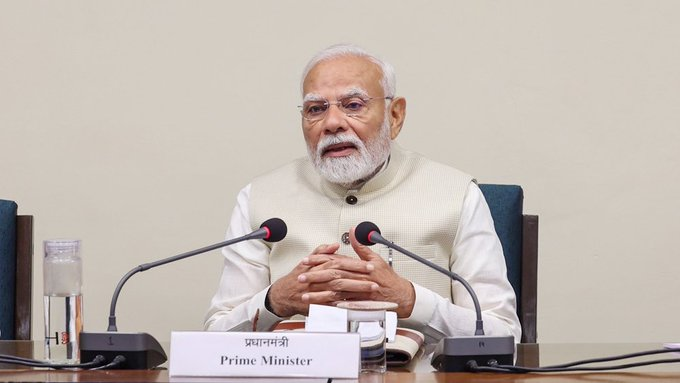
Prime Minister Narendra Modi is scheduled to visit the flood-affected regions of Himachal Pradesh and Punjab today to closely monitor ongoing disaster response and rehabilitation measures after severe monsoon-triggered floods and landslides wreaked havoc across northern India. The visit comes at a critical juncture as both states continue to grapple with the devastating impacts of torrential rains, overflowing rivers, and disrupted infrastructure. The Prime Minister’s engagements aim to ensure effective coordination between central and state authorities, evaluate the efficacy of relief operations, and directly interact with affected communities to address their urgent needs. This visit underscores the government’s commitment to providing timely support and strengthening disaster preparedness while highlighting the ongoing challenges posed by natural calamities in India’s northern hill and plains regions.
Prime Minister’s Itinerary and On-Ground Assessment in Himachal Pradesh
According to official sources, PM Modi will first arrive in Kangra, Himachal Pradesh, at around 1:30 p.m., where he is expected to conduct an aerial survey of the most severely impacted areas, weather permitting. The aerial reconnaissance will allow the Prime Minister to obtain a comprehensive view of the extent of flood damage, landslide-affected regions, and critical infrastructure disruptions, including roads, bridges, and public utilities. Following the survey, he will proceed to Dharamshala, where a high-level review meeting is scheduled with senior officials from the state administration, National Disaster Response Force (NDRF), State Disaster Response Force (SDRF), and other emergency response agencies, including local Aapda Mitra volunteers who have been instrumental in immediate relief efforts. The meeting will focus on assessing the ongoing rescue operations, evaluating resource allocation, and discussing strategies for accelerating rehabilitation for displaced residents and damaged communities.
In addition to reviewing administrative reports and operational briefings, the Prime Minister is expected to engage directly with victims of the disaster in Himachal Pradesh. These interactions will provide an opportunity for the affected citizens to voice their concerns, highlight gaps in relief delivery, and seek assurances for expedited restoration of basic services. Such engagements are considered crucial for formulating people-centric policies and ensuring that relief measures are responsive to local needs. Observers note that this approach also underscores the government’s emphasis on combining aerial assessments with ground-level interactions to ensure a holistic understanding of disaster impacts.
The flood situation in Himachal Pradesh has been exacerbated by heavy monsoon rains, leading to landslides, roadblocks, and damage to vital infrastructure, particularly in hilly regions like Kangra, Mandi, and Kullu. Reports indicate that hundreds of families have been displaced, while essential services such as electricity, water supply, and healthcare facilities have been temporarily disrupted. Relief agencies, including NDRF and SDRF teams, have been deployed across the affected districts to carry out evacuations, distribute emergency supplies, and restore essential services. PM Modi’s visit is expected to highlight the central government’s continued support in augmenting these efforts and ensuring that recovery and rehabilitation measures are effectively coordinated.
Review and Relief Efforts in Punjab Amid Public Demands for Financial Support
After concluding his engagements in Himachal Pradesh, the Prime Minister will travel to Gurdaspur, Punjab, scheduled to arrive by around 4:15 p.m., following an aerial survey of flood-hit regions in the state. In Gurdaspur, PM Modi will hold a ground-level review meeting with top administrative and disaster management officials to evaluate ongoing relief measures, damage assessment reports, and the progress of rehabilitation operations. This session will also include interactions with residents affected by the devastating floods, enabling the Prime Minister to directly understand the challenges faced by the local population and the immediate needs of displaced families and communities.
The visit comes amid heightened public and political attention regarding financial support for flood relief. Punjab Cabinet Minister and Aam Aadmi Party State President Aman Arora issued a statement ahead of PM Modi’s visit, urging the central government to provide a relief package of at least Rs 20,000 crore. He criticized what he termed “mere flood tourism” and stressed the need for immediate release of pending funds amounting to Rs 60,000 crore, including Rs 50,000 crore in GST compensation and Rs 8,000 crore allocated for Rural and Market Development Funds. Mr. Arora emphasized that Punjab Chief Minister Bhagwant Mann had written to the Centre multiple times, seeking urgent financial assistance to rebuild flood-affected infrastructure and support ongoing relief efforts.
The flood impact in Punjab has been particularly severe in districts like Gurdaspur, Pathankot, and Hoshiarpur, where rivers overflowing their banks and continuous heavy rains have disrupted agriculture, damaged homes, and affected livelihoods. Emergency response teams, including state disaster management authorities and local volunteers, have been actively involved in evacuation, distribution of relief material, and restoring essential services. The Prime Minister’s visit aims to ensure that central support aligns with state efforts, addresses logistical challenges, and accelerates the rehabilitation of affected communities.
Officials note that PM Modi’s review meetings will focus not only on immediate relief operations but also on long-term strategies to enhance disaster preparedness, infrastructure resilience, and coordination mechanisms between central and state agencies. By integrating aerial surveys with ground-level interactions, the Prime Minister is expected to evaluate the efficacy of current measures, identify gaps in resource allocation, and provide guidance for strengthening future disaster response frameworks. Such assessments are crucial for minimizing human and economic losses during extreme weather events, especially in regions prone to seasonal floods and landslides.
Punjab’s call for additional financial support also highlights broader concerns regarding budgetary allocations for disaster management and infrastructure development. With recurring flood events affecting agricultural output, roads, bridges, and public utilities, timely financial interventions from the Centre are considered essential for sustaining local economies, protecting vulnerable populations, and ensuring that affected regions can recover quickly. The dialogue between central authorities and state representatives during PM Modi’s visit is expected to address these concerns, offering clarity on fund disbursement, implementation timelines, and mechanisms for accountability in relief operations.
The Prime Minister’s visit underscores the government’s broader commitment to disaster management, focusing on integrating technology, community engagement, and efficient administrative coordination. Officials have highlighted that aerial surveys complement on-ground assessments by providing real-time data on flood-affected areas, enabling quicker decision-making for resource allocation, evacuation planning, and emergency response deployment. Ground-level interactions with affected residents further inform policy adjustments, ensuring that relief measures are tailored to actual needs and delivered efficiently.
Furthermore, the visit reflects the government’s emphasis on strengthening local capacities for disaster response. By engaging with state authorities, NDRF and SDRF personnel, and local volunteers, the Prime Minister aims to reinforce coordination between various stakeholders, optimize resource utilization, and enhance readiness for potential future events. This approach not only addresses immediate disaster-related challenges but also contributes to building resilient communities capable of responding effectively to environmental hazards.
In addition to addressing immediate concerns, PM Modi’s review is likely to focus on long-term rehabilitation strategies. Discussions may include reconstruction of damaged infrastructure, restoration of essential services, provision of temporary shelters, and financial assistance to affected families. Emphasis is also expected on enhancing early warning systems, flood forecasting capabilities, and community awareness programs to mitigate risks during future monsoon seasons. The integration of local knowledge, technology-driven insights, and policy support forms the cornerstone of these strategies, ensuring that flood-hit regions are better equipped to handle extreme weather events.
As India continues to experience the impacts of climate variability and intense monsoon rains, the Prime Minister’s proactive engagement in Himachal Pradesh and Punjab highlights the importance of timely intervention, centralized coordination, and strong leadership in managing natural disasters. The visit aims to send a clear message of solidarity with affected citizens, while reinforcing the government’s focus on delivering prompt and effective relief measures.
Through these efforts, the central and state governments hope to expedite recovery, minimize human suffering, and restore normalcy in flood-affected areas. The Prime Minister’s personal involvement in assessing the situation is intended to strengthen the accountability of disaster management authorities, ensure responsiveness to local needs, and demonstrate the government’s commitment to protecting the lives and livelihoods of citizens during natural calamities.
By combining aerial assessments, high-level review meetings, and direct interactions with affected populations, PM Modi’s visit represents a comprehensive approach to disaster management. The engagement underscores the role of leadership, planning, and coordination in navigating the complex challenges posed by extreme weather events, while also emphasizing the importance of timely financial and logistical support to sustain relief and rehabilitation efforts in both Himachal Pradesh and Punjab.
The Prime Minister’s visit, amid political demands for enhanced financial support and effective disaster management, is expected to provide clarity on central interventions, strengthen operational coordination, and reassure citizens of the government’s commitment to addressing the impacts of the floods in a timely and effective manner.
This visit highlights the crucial link between government responsiveness, citizen engagement, and disaster preparedness, offering insights into how leadership and coordinated efforts can mitigate the adverse effects of natural calamities and accelerate recovery in affected regions.