India’s sports ecosystem has entered a transformative phase with the passage of the National Sports Governance Bill, 2025, by Parliament. This landmark legislation, long awaited by athletes, sports administrators, and enthusiasts, promises to reshape the way sports are governed in India. For years, sports governance reforms were stalled due to legal, political, and bureaucratic challenges, but the PM Modi-led government has finally navigated these hurdles, bringing in a framework designed to empower athletes, ensure transparency, promote gender parity, and professionalize sports administration. The Bill signifies not just structural change but a philosophical shift, placing athletes at the center of decision-making while preparing India for a prominent role on the global sporting stage, including aspirations for the 2036 Olympics.
Athlete-Centric Governance and Inclusive Reforms
The National Sports Governance Bill marks a historic move toward an athlete-first approach. For the first time, sportspersons are positioned as central stakeholders rather than passive participants. Every National Sports Federation (NSF), along with the National Olympic Committee (NOC) and National Paralympic Committee (NPC), is mandated to establish athletes’ committees. These committees will provide sportspersons a platform to voice concerns, influence policy decisions, and actively participate in the governance of their respective disciplines. This reform addresses a long-standing gap in Indian sports, where athletes traditionally had minimal involvement in decisions impacting their careers.
A key feature of the Bill is its strong emphasis on gender equality and inclusion. Each executive committee within sports bodies must now include at least four women, a measure aimed at addressing historical underrepresentation in sports leadership. This step not only encourages greater participation of women in governance roles but also ensures that policymaking reflects the needs and perspectives of female athletes. By promoting inclusivity, the Bill seeks to create a culture where women are recognized as integral contributors to the sporting ecosystem.
Transparency and accountability form the backbone of the reform. All recognised sports federations will now fall under the ambit of the Right to Information (RTI) Act, 2005, ensuring that the public can access decisions, financial records, and internal governance processes. This provision is expected to reduce mismanagement, corruption, and opaque practices that have historically plagued Indian sports administration. Further, the Bill mandates the establishment of ethics committees and dispute resolution mechanisms to ensure accountability, handle grievances, and prevent unethical practices within federations.
Another significant aspect of the Bill is its focus on the safety and welfare of athletes, particularly women and minors. The Safe Sports Policy, now compulsory across all federations, outlines protective measures and protocols to safeguard sportspersons from harassment, abuse, or exploitation. This provision aligns with global best practices and demonstrates a commitment to creating a secure and supportive environment for athletes to thrive. The Bill’s comprehensive approach underscores that sports governance is not merely about administration but also about nurturing talent while prioritizing safety, equity, and professional growth.
Professionalization and Global Aspirations
Beyond structural reforms, the National Sports Governance Bill aims to professionalize India’s sports administration. Clear eligibility norms, tenure limits, and age restrictions for leadership positions will ensure merit-based appointments and reduce the influence of nepotism or political interference. The legislation also sets strict guidelines on the use of national symbols, ensuring that only recognised bodies can represent India officially. These measures collectively signal a shift toward accountability, professionalism, and institutional integrity.
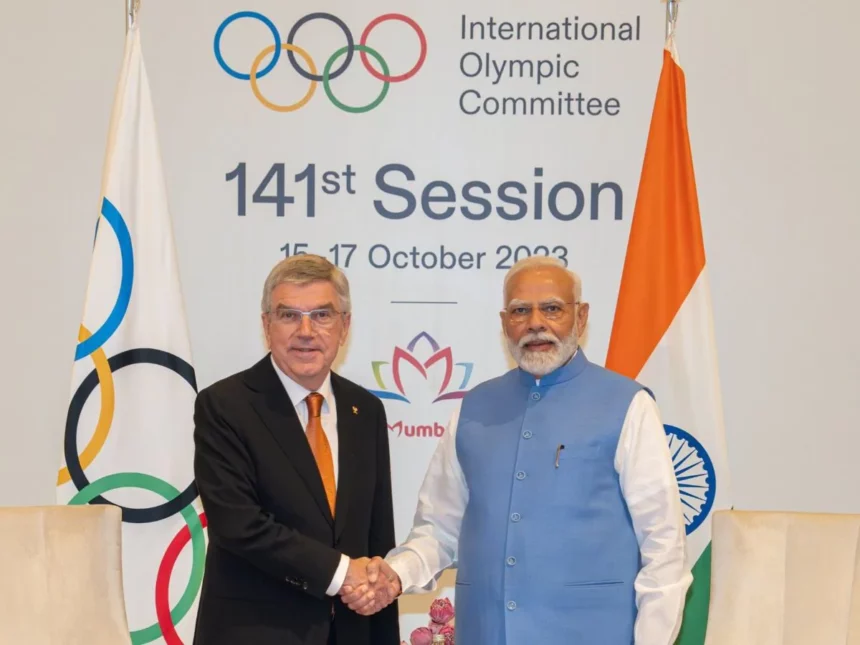
The Bill’s broader vision extends to India’s position in global sports. By empowering athletes and streamlining governance, the legislation prepares India for ambitious international goals, including hosting major events such as the 2030 Commonwealth Games in Ahmedabad and positioning the country for a potential 2036 Olympics bid. Prime Minister Modi has consistently emphasized India’s capabilities and readiness to host global sporting events, reflecting a long-term strategic vision that blends domestic reforms with international ambitions.
Moreover, the Bill is expected to generate employment opportunities within the sports sector, from professional administration to coaching, talent management, and event organization. By formalizing governance structures and promoting ethical practices, India aims to establish a sports ecosystem where careers in sports administration and management are viable and respected. This, in turn, strengthens India’s capacity to compete globally, ensures a professional pathway for aspiring administrators, and encourages youth participation in sports at multiple levels.
The legislation also comes at a time when India has demonstrated growing prowess on the international stage. Recent successes at the Tokyo Olympics, Paris Olympics, and Paralympics have highlighted India’s potential in competitive sports. By formalizing governance, ensuring athlete safety, and creating a merit-based ecosystem, the National Sports Governance Bill promises to sustain this momentum and facilitate a more organized and consistent approach toward achieving sporting excellence.
Prime Minister Modi’s vision, articulated through this legislation, reflects a holistic approach: the focus is on empowering athletes, promoting gender equity, professionalizing administration, and enhancing India’s reputation in international sports. By giving athletes a voice in decision-making, the Bill also fosters a culture of accountability, where performance, ethics, and fair representation drive policies. In essence, this framework transforms Indian sports from a historically fragmented system into a coordinated, transparent, and athlete-driven ecosystem.
With the Bill’s passage, the PM Modi government has sent a clear message that sports are no longer an afterthought but a national priority. The legislation signals India’s commitment to nurturing talent, safeguarding athletes, and creating a governance model aligned with global standards. As the rules under the Bill are notified and implemented, the country can expect a paradigm shift in how sports are administered, governed, and celebrated.
The National Sports Governance Bill 2025 represents more than a legislative achievement; it is a philosophical and practical overhaul of India’s sports ecosystem. By placing athletes at the center, ensuring transparency, fostering inclusivity, and professionalizing administration, the Bill lays the groundwork for India’s emergence as a global sporting powerhouse. It aligns domestic reforms with international ambitions and establishes a robust framework for ethical, accountable, and athlete-centered governance.