Petrol and diesel prices in India may rise soon as global crude oil hits a four-year high, putting pressure on oil companies absorbing heavy losses since 2022.
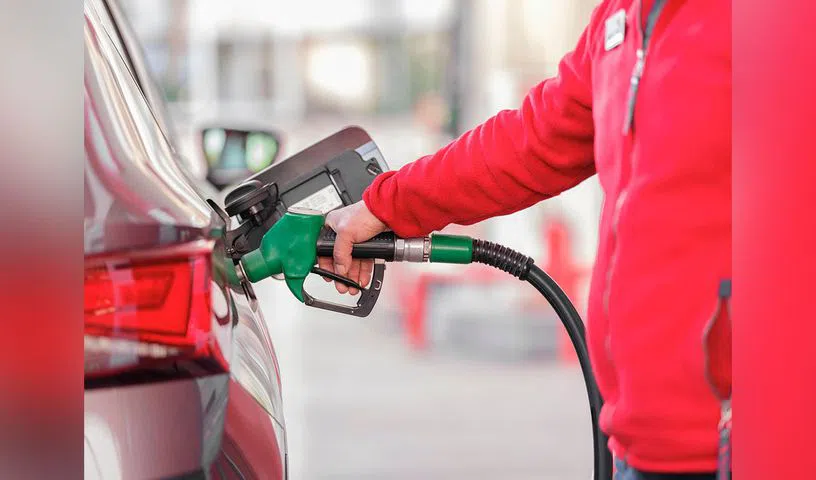
India could soon witness an increase in petrol and diesel prices as global crude oil rates surge to multi-year highs, placing significant financial strain on state-run oil marketing companies. According to sources cited by reports, a price revision cannot be ruled out as companies continue to absorb mounting losses due to a prolonged freeze in retail fuel rates.
The sharp rise in global oil prices has been driven largely by geopolitical tensions, particularly in the strategically crucial Strait of Hormuz. Disruptions in this region, which handles nearly one-fifth of the world’s oil trade, have intensified supply concerns and pushed crude prices to nearly $126 per barrel earlier this week before stabilising slightly above $110.
Global Crude Surge and Geopolitical Pressure
The recent spike in oil prices is closely linked to escalating tensions involving the United States, Israel, and Iran. Military developments and stalled diplomatic negotiations have led to restricted shipping movements through key maritime routes, creating uncertainty in global energy markets.
Crude oil, which averaged around $70 per barrel last year, has now surged significantly, increasing the cost of imports for countries like India that rely heavily on foreign oil supplies. This sharp increase directly impacts domestic fuel pricing structures and the financial health of oil companies.
Oil Companies Absorb Losses Amid Price Freeze
Despite the rising global prices, retail fuel rates in India have remained unchanged since April 2022. State-owned companies such as Indian Oil Corporation and other public sector oil firms have continued to hold prices steady, absorbing the difference between global costs and domestic selling prices.
Industry sources indicate that oil marketing companies are currently facing substantial under-recoveries. Estimates suggest losses of approximately ₹20 per litre on petrol and nearly ₹100 per litre on diesel. These losses are primarily due to the gap between international crude prices and the fixed retail rates in India.
While retail prices remain stable, oil companies have adjusted rates for other fuel categories. Prices of commercial LPG, industrial diesel, small LPG cylinders, and aviation turbine fuel supplied to international airlines have been revised upward in line with rising input costs.
Profitability Versus Current Losses
Interestingly, despite the ongoing losses, government data shows that India’s leading oil companies collectively reported profits of ₹1.37 lakh crore during the first nine months of the financial year 2025-26. This translates to approximately ₹116 crore in daily earnings.
However, analysts caution that these profits may not fully offset the current financial strain caused by prolonged under-recoveries. The continued mismatch between global prices and domestic retail rates could eventually necessitate corrective action.
Possible Price Hike After Elections
Market analysts had earlier projected a potential increase of ₹25 to ₹28 per litre in fuel prices following the conclusion of the West Bengal Assembly elections on April 29. While no official announcement has been made yet, the timing of such a revision is often influenced by political and economic considerations.
The delay in revising prices has helped shield consumers from immediate inflationary pressures but has simultaneously increased the burden on oil companies. As global crude prices remain elevated, the likelihood of a price hike continues to grow.
Current Fuel Prices and Consumer Impact
As of now, retail fuel prices in Delhi stand at ₹94.77 per litre for petrol and ₹87.67 per litre for diesel. These rates have remained unchanged for over four years, providing stability for consumers but raising concerns about long-term sustainability.
If prices are revised upward, it could have a cascading effect on the economy. Higher fuel costs typically lead to increased transportation expenses, which in turn affect the prices of goods and services. This could contribute to inflationary pressures across various sectors.
Strategic Importance of the Strait of Hormuz
The Strait of Hormuz plays a critical role in global energy supply. Any disruption in this region has immediate repercussions on oil prices worldwide. The current tensions have highlighted the vulnerability of global supply chains and the dependence of many economies on stable oil flows.
India, being one of the largest importers of crude oil, is particularly sensitive to such disruptions. Ensuring energy security and managing price volatility remain key challenges for policymakers.
Government Stance and Future Outlook
So far, there has been no official decision to revise retail fuel prices. Government officials have indicated that there are no immediate plans for a hike, despite the widening gap between costs and selling prices.
However, the situation remains fluid. If global crude prices continue to stay elevated or rise further, the pressure on oil companies may become unsustainable, forcing a policy shift.
In the coming weeks, several factors will influence the decision on fuel pricing, including global oil trends, geopolitical developments, domestic inflation concerns, and fiscal considerations.
Conclusion
The possibility of a petrol and diesel price hike in India is becoming increasingly likely as global crude oil prices remain high and oil companies continue to bear significant losses. While consumers have benefited from stable prices over the past few years, the current scenario may require adjustments to ensure the financial viability of the energy sector.
As geopolitical tensions persist and global markets remain volatile, the future of fuel pricing in India will depend on a delicate balance between economic realities and policy priorities.