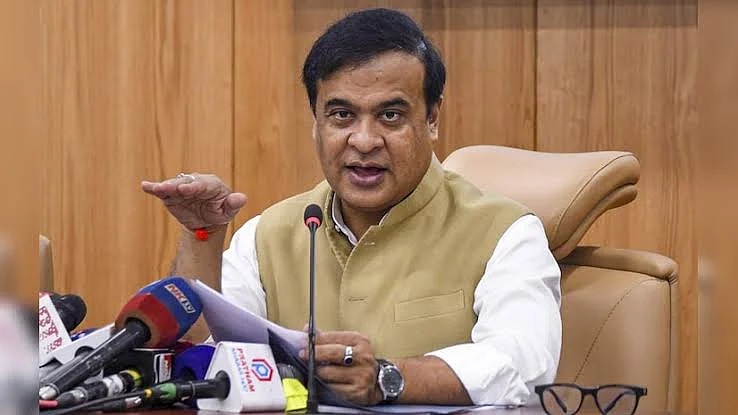
Bangladesh has formally protested Assam CM remarks on migrants, summoning India’s envoy and warning of potential strain on improving bilateral relations.
Diplomatic tensions between India and Bangladesh have resurfaced after Bangladesh summoned India’s acting High Commissioner following controversial remarks made by Assam Chief Minister Himanta Biswa Sarma regarding alleged illegal migrants. The development highlights the fragile nature of ties between the two neighboring countries, even as both sides attempt to rebuild relations in recent months.
The acting Indian envoy, Pawan Badhe, was called to the Bangladesh Ministry of Foreign Affairs in Dhaka, where officials conveyed strong displeasure over the comments. The protest underscores the sensitivity of migration and border-related issues in India-Bangladesh relations.
Dhaka Registers Formal Protest Over Remarks
Officials from Bangladesh expressed concern that the remarks made by the Assam Chief Minister about “pushing back” alleged Bangladeshi migrants were inappropriate and could negatively impact bilateral relations. Director General Ishrat Jahan, representing Bangladesh’s foreign ministry, described the comments as “disparaging” and urged India to ensure that public statements do not harm the diplomatic relationship.
While Bangladesh did not issue a detailed public statement, the decision to summon the Indian envoy signals the seriousness with which Dhaka views the matter. Diplomatic summoning is typically used to convey strong objections without escalating the issue into a full-blown crisis.
The remarks reportedly referred to a group of around 20 individuals alleged to be illegal migrants, which further intensified concerns in Bangladesh about how such issues are publicly addressed.
Political Context and Recent Strains
The controversy comes at a time when India and Bangladesh are working to stabilize relations following political upheaval in Bangladesh in 2024. The removal of Sheikh Hasina and the subsequent interim government led by Muhammad Yunus had created a period of uncertainty and strained ties with New Delhi.
More recently, relations have shown signs of improvement after the electoral victory of the Bangladesh Nationalist Party and the leadership of Tarique Rahman. Both countries have engaged in diplomatic outreach, including high-level visits and renewed communication channels.
However, issues such as illegal immigration, border management, and security cooperation remain sensitive and have the potential to disrupt progress. The latest incident illustrates how quickly such topics can escalate into diplomatic friction.
Migration Issue Remains a Key Flashpoint
Illegal migration has long been a contentious issue in India-Bangladesh relations, particularly for border states like Assam. However, experts argue that addressing such matters through public statements can complicate diplomatic efforts.
Former Indian diplomat Veena Sikri has emphasized that migration concerns should ideally be handled through structured dialogue between the two governments. She pointed out that there have been very few instances where both countries have formally acknowledged the issue together, with one notable example being during the early 1990s.
Sikri highlighted that cooperative discussions and joint mechanisms remain the most effective way to address cross-border challenges without straining diplomatic ties.
Impact on Ongoing Diplomatic Engagement
Despite the current tension, India and Bangladesh continue to cooperate on multiple fronts, including trade, connectivity, and regional development initiatives. Both countries share deep historical ties rooted in the 1971 Liberation War, which have shaped decades of partnership and collaboration.
However, Bangladesh has cautioned that provocative or insensitive remarks could undermine the positive momentum achieved through sustained diplomatic efforts. The government in Dhaka has urged restraint in public discourse to preserve mutual trust and respect.
The incident also serves as a reminder of the delicate balance required in managing bilateral relations, especially when dealing with politically sensitive topics. Even isolated comments can have broader implications for diplomacy and regional stability.
The Way Forward
As both nations navigate this latest controversy, diplomatic engagement and dialogue will be crucial in preventing further escalation. Maintaining open channels of communication and addressing concerns through official mechanisms can help ensure that the relationship remains stable.
The episode highlights the importance of careful messaging and coordination between political leadership and diplomatic institutions. With both countries aiming to strengthen ties, managing sensitive issues with caution and mutual respect will be essential.