Panama has lodged a formal complaint with the United Nations, condemning United States President Donald Trump’s recent remarks threatening to seize control of the Panama Canal. The complaint, addressed to United Nations Secretary-General António Guterres, calls Trump’s statements “worrying” and emphasizes their potential violation of international law. The Panamanian government invoked the United Nations Charter, specifically its article prohibiting the “threat or use of force” against the territorial integrity or political independence of another member state.
In a letter distributed to reporters on Tuesday, Panama urged António Guterres to bring the matter to the United Nations Security Council, though it did not request an emergency meeting. The move follows Donald Trump’s inaugural address on Monday, during which he criticized China’s growing influence around the canal, claiming that the waterway is effectively being “operated” by Chinese interests. Trump declared, “We didn’t give it to China, we gave it to Panama. And we’re taking it back.”
The controversial remarks have heightened tensions between the two nations. In response, Panama’s comptroller’s office announced an in-depth audit of the Panama Ports Company, the Hong Kong-linked operator of two critical ports on the canal. The ports, located at Balboa and Cristobal, are managed by Hutchison Ports, a subsidiary of CK Hutchison Holdings, a Hong Kong-based conglomerate.
According to the comptroller’s office, the audit aims to ensure compliance with concession agreements, particularly in terms of income reporting, state contributions, and transparency in operations. This move follows growing scrutiny over Chinese involvement in the canal’s vicinity, despite Panama’s assurances of neutrality and sovereignty over the waterway.
Panama’s President José Raúl Mulino firmly dismissed Donald Trump’s claims, stating, “The canal is and will remain Panama’s.” José Raúl Mulino denied any foreign interference in the operation of the canal, which has been under Panamanian control since its handover by the United States in 1999.
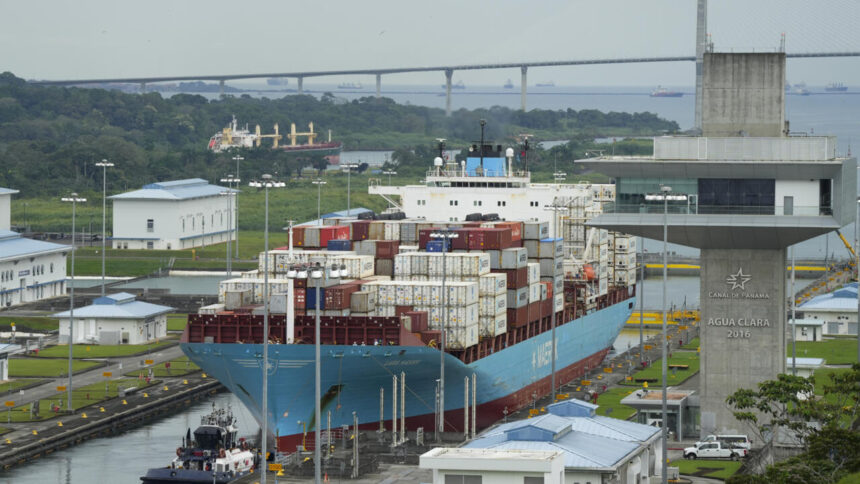
The Panama Canal remains a critical global trade route, with 40 percent of United States container traffic passing through its waters. The United States is the canal’s primary user, followed by China. Since 2000, the canal has contributed over $30 billion to Panama’s economy, including nearly $2.5 billion in the last fiscal year alone.
Donald Trump has escalated pressure in recent weeks, refusing to rule out military intervention to reclaim control of the canal. This stance has drawn sharp criticism from Panama, which maintains that the canal’s neutrality and economic contributions are vital to its sovereignty and global stability.