The recent Pakistani airstrike targeting Tehreek-e-Taliban Pakistan (TTP) chief Noor Wali Mehsud in Kabul has reignited long-standing tensions between Islamabad and Kabul. While Pakistani authorities claimed the strike aimed to eliminate the TTP leadership accused of cross-border attacks, Mehsud appeared in a video denying reports of his death, challenging Islamabad’s narrative and exposing the fragility of regional security arrangements. This episode underscores the deepening rift between the two neighbors, highlights the complexities of Taliban-era Afghanistan, and raises questions about the efficacy of military action in countering insurgent threats.
Airstrike in Kabul and Escalating Tensions
On October 9, Pakistan reportedly conducted an airstrike in Kabul targeting a vehicle believed to be carrying Noor Wali Mehsud, the chief of the Tehreek-e-Taliban Pakistan. The strike, hitting an armoured Land Cruiser, immediately sparked a wave of retaliatory violence along the volatile Afghanistan-Pakistan border. Reports indicated that weekend clashes led to multiple fatalities and heightened hostility on both sides, disrupting a fragile ceasefire that had been in place. Pakistani officials justified the operation as a necessary step to neutralize militant threats against security forces, framing the TTP leadership as a direct challenge to Pakistan’s internal stability.
The airstrike marked Islamabad’s most aggressive reported military action inside Kabul since the 2022 U.S. operation that killed al-Qaeda chief Ayman al-Zawahiri. While Pakistani authorities have neither fully confirmed nor denied the strike, officials hinted that Islamabad’s patience with Kabul’s perceived tolerance of anti-Pakistan elements was running thin. Pakistani military statements emphasized that safeguarding citizens against cross-border terrorism remained a top priority, warning Afghanistan to prevent its territory from being used as a staging ground for militant activities.
In response, the Taliban-led Afghan administration condemned the strike as unprecedented and provocative. Kabul’s defence ministry labeled the Pakistani operation as a violation of Afghan sovereignty, asserting that any consequences would be the responsibility of Pakistan’s military. The situation exposed the fragile nature of security cooperation between the two countries, highlighting longstanding mistrust and diverging strategic priorities. Afghan officials, meanwhile, have consistently denied that their territory serves as a base for Pakistani militants, pointing instead to Islamabad’s alleged support for local Islamic State affiliates as a complicating factor in cross-border relations.
The immediate aftermath saw clashes along the Afghanistan-Pakistan frontier, particularly in provinces such as Kandahar and Spin Boldak, with both sides reporting casualties. Pakistan claimed that its airstrike targeted a brigade of Afghan Taliban forces, though independent verification of these claims remains limited. Analysts suggest that the operation, rather than curbing militant activity, risked exacerbating regional instability and provoking retaliatory attacks against Pakistani security forces.
Who is Noor Wali Mehsud and the TTP’s Evolution
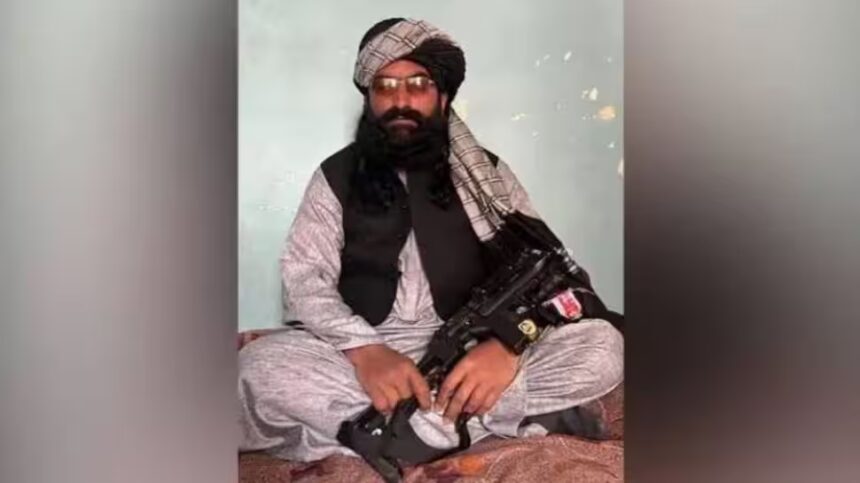
Noor Wali Mehsud, born on June 26, 1978, in South Waziristan’s Mehsud tribal area, is a cleric, ideologue, and seasoned militant leader. Madrassa-trained and deeply rooted in tribal networks, Mehsud’s early years saw him fight alongside the Afghan Taliban in the 1990s. Over time, he rose through the ranks of the Pakistani Taliban, serving as a judge, Karachi chief, and later deputy to successive TTP leaders. Following the U.S. drone killing of Mullah Fazlullah in 2018, Mehsud assumed leadership of the TTP, restoring control to the Mehsud tribe, the faction historically responsible for founding the movement.
Mehsud is both a militant and an ideologue, authoring works such as *Inqilab-e-Mehsud*, a 700-page text that blends religious jurisprudence, tribal history, and militant narratives. The book notably claims responsibility for high-profile attacks, including the assassination of former Pakistani Prime Minister Benazir Bhutto in 2007. Under his leadership, the TTP underwent significant restructuring, consolidating fragmented factions and recalibrating operational strategies to prioritize attacks on security forces over civilians. Analysts argue that this strategic shift has enhanced the group’s resilience, making it increasingly difficult for Pakistani authorities to dismantle the organization.
Since the Taliban’s return to power in Afghanistan in 2021, Mehsud’s TTP has gained operational advantages, benefiting from freer cross-border movement and access to weapons. The Taliban’s control of Afghan territory has inadvertently allowed the TTP to reestablish bases and expand networks, heightening Islamabad’s security concerns. For Pakistan’s military, Mehsud represents a high-value fugitive responsible for hundreds of killings, cross-border raids, and insurgent operations against state targets. His survival in the recent airstrike challenges Pakistan’s narrative of decisive action and calls into question the effectiveness of targeted strikes in neutralizing entrenched militant leadership.
The TTP under Mehsud also maintains strong ideological cohesion, combining religious messaging with tribal loyalty to strengthen recruitment and operational coordination. This dual approach has allowed the group to adapt to evolving security pressures, maintaining both influence and operational capacity despite persistent military offensives. Experts contend that eliminating Mehsud would require not only tactical precision but also broader political and strategic engagement with the Afghan authorities, highlighting the limitations of unilateral military interventions.
Mehsud’s video appearance after the airstrike underscores the TTP’s resilience and its ability to manipulate media for strategic communication. By directly addressing claims of his death, he reinforced the perception of invulnerability, projecting strength to followers and allies while sending a message of defiance to Islamabad. Analysts suggest that such public appearances serve multiple purposes: maintaining morale among cadres, signaling continuity of leadership, and shaping regional narratives to complicate military responses.
The airstrike and Mehsud’s subsequent message have also reignited debates within Pakistan regarding the efficacy of military operations, cross-border intelligence, and the broader counterterrorism strategy. Observers note that repeated targeting of high-profile militants without complementary diplomatic or political engagement risks inflaming tensions, triggering cycles of retaliation, and undermining efforts to stabilize border regions.
Regional Implications and Strategic Calculus
The episode is emblematic of a broader security dilemma in South Asia, where Pakistan faces simultaneous pressures along multiple fronts. Tensions along the Afghanistan-Pakistan border have been compounded by historical mistrust, competing insurgent networks, and the geopolitical influence of neighboring powers. Islamabad’s warnings of militant activity and potential cross-border threats reflect genuine security concerns, but the recent airstrike also signals an escalation that could destabilize an already fragile region.
India has closely monitored these developments, maintaining diplomatic and strategic engagement with Afghanistan while condemning Pakistan’s historical sponsorship of militant groups. By aligning with Kabul on sovereignty and security issues, New Delhi reinforces its role as a regional stakeholder, complicating Islamabad’s narrative of unilateral counterterrorism action. The situation illustrates the multi-dimensional nature of South Asian security, where local, tribal, and state actors interact in complex ways, often blurring lines between domestic insurgencies and international conflicts.
Meanwhile, the Taliban administration in Kabul faces a delicate balancing act. While officially denouncing Pakistani strikes as violations of sovereignty, the regime also seeks to maintain strategic relationships with Pakistan, its historical ally, to manage border stability and economic ties. The airstrike has exposed the limits of Taliban influence over militant groups like the TTP, highlighting internal divisions and the challenges of exercising control over armed factions within Afghan territory.
The incident also raises questions about Pakistan’s intelligence and military strategy. Targeting high-value individuals such as Mehsud requires accurate intelligence and coordinated operations. The failure to eliminate him, despite the precision strike, may prompt introspection within the Pakistani security establishment about operational planning, risk assessment, and the potential consequences of cross-border interventions.
Analysts suggest that a purely military approach is unlikely to resolve the underlying issues driving TTP insurgency. Long-term stability may require coordinated regional diplomacy, intelligence-sharing, and engagement with Afghan authorities to prevent militants from exploiting porous borders. Without such measures, repeated confrontations risk escalating into broader conflicts, further destabilizing the region and complicating Pakistan’s domestic security landscape.
As the standoff continues, both Islamabad and Kabul are faced with managing immediate security concerns while addressing the political and strategic fallout of the airstrike. The fragile ceasefire remains vulnerable, and any miscalculation could trigger renewed clashes along the border, affecting civilian populations and regional stability. The resilience of TTP leadership, exemplified by Mehsud’s survival, underscores the limits of military solutions and the need for comprehensive strategies that integrate diplomacy, intelligence, and regional cooperation.
The incident also highlights the evolving nature of militant operations in the region. With access to modern communication tools, social media, and cross-border networks, insurgent groups like the TTP can rapidly disseminate information, shape narratives, and maintain operational cohesion. Mehsud’s video message is a clear example of how militant leadership uses media strategically to influence perceptions, reinforce legitimacy, and deter adversaries.
Finally, the airstrike serves as a reminder of the delicate geopolitical environment in South Asia, where historical grievances, insurgent activities, and competing strategic interests intersect. The Pakistan-Afghanistan border continues to be a flashpoint, and the involvement of high-profile actors such as Noor Wali Mehsud amplifies the risks of miscalculation. Observers note that managing these dynamics requires not only military preparedness but also sustained diplomatic engagement, multilateral cooperation, and a nuanced understanding of local, tribal, and regional factors that shape conflict patterns.
The recent developments demonstrate that even high-profile military operations carry significant political, strategic, and humanitarian consequences. The survival of Noor Wali Mehsud after the airstrike will likely influence future Pakistani counterterrorism policy, Afghan border management, and regional security calculations, setting the stage for ongoing negotiations, confrontations, and the pursuit of a fragile balance in a volatile environment.