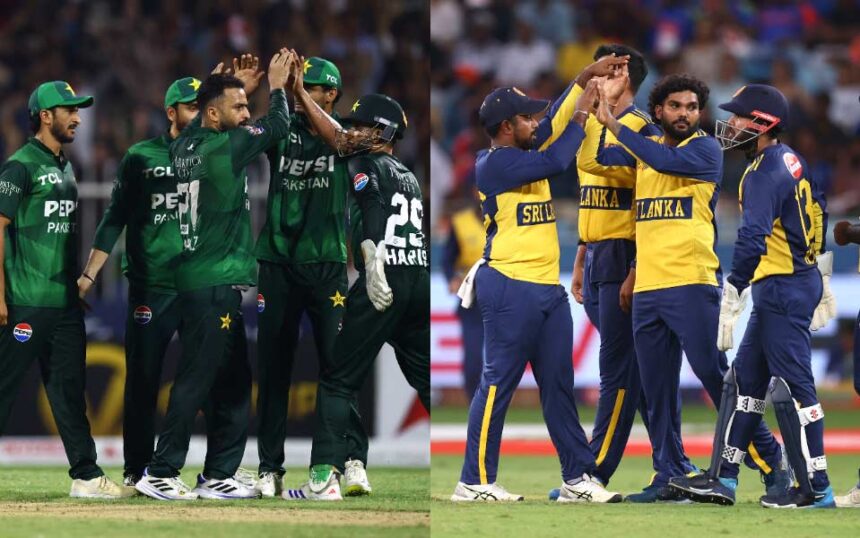
Pakistan and Sri Lanka are set to face each other in a decisive Super 8 clash of the ICC Men’s T20 World Cup 2026 at the Pallekele International Cricket Stadium in Kandy, with contrasting motivations driving both teams. While Sri Lanka have already been eliminated from semifinal contention, Pakistan enter the contest seeking a crucial win to keep their campaign alive and restore momentum after a narrow setback against England.
The match marks the final Super 8 fixture for both sides in the tournament. For Pakistan, the equation is clear: victory is essential to remain in contention, and the margin could prove equally significant depending on other results. Sri Lanka, despite being out of the race, will aim to finish their campaign with pride in front of home supporters. The clash, therefore, combines competitive urgency with regional rivalry, making it one of the most anticipated fixtures of the stage.
The venue in Kandy is known for its lively atmosphere and conditions that often favor spin bowlers as the game progresses. Evening matches at Pallekele can test both batting depth and bowling adaptability. Teams that manage the middle overs effectively and execute at the death typically gain an advantage. Both Pakistan and Sri Lanka possess the resources to exploit these conditions, setting the stage for a tightly contested encounter.
Head-to-Head Record and Tournament Context
The rivalry between Pakistan and Sri Lanka in T20 internationals has been defined by frequent meetings and competitive balance, though Pakistan hold a statistical edge. Out of 29 T20I matches played between the two sides, Pakistan have won 17 while Sri Lanka have secured 12 victories. This gives Pakistan a clear overall advantage heading into what will be their 30th meeting in the format.
Historically, Pakistan have often relied on a combination of explosive batting and disciplined pace bowling to outmaneuver Sri Lanka. However, Sri Lanka’s unpredictability and strong spin attack have ensured that matches between these two subcontinental teams remain closely fought. Momentum has shifted multiple times over the years, reflecting the dynamic nature of T20 cricket.
In T20 World Cup history, the rivalry is evenly balanced. The two sides have met four times in the global tournament, and each has won two matches. This 2-2 split underscores how World Cup contests often defy broader trends, with high-pressure environments leveling historical advantages. Performances in global events are shaped as much by temperament as by statistics, and both teams have previously demonstrated resilience on this stage.
Their most recent meeting in the format came in January 2026 during a three-match series in Sri Lanka that concluded in a 1-1 draw. That series highlighted how evenly matched the teams remain, particularly when playing in Sri Lankan conditions. Familiarity with opponents’ strengths and weaknesses may influence team strategies in the Super 8 fixture.
Pakistan arrive in Kandy after a narrow defeat against England, a result that dented their confidence but did not eliminate them from contention. The loss exposed certain vulnerabilities, particularly in closing out tight matches and maintaining scoring momentum in the middle overs. However, Pakistan’s overall tournament campaign has shown flashes of dominance, suggesting they retain the capacity to rebound.
Sri Lanka’s Super 8 journey has been more challenging. Consecutive defeats against England and New Zealand ended their hopes of progressing to the semifinals. Despite spirited performances in patches, they have struggled to sustain pressure across all phases of the game. For the co-hosts, the upcoming match presents an opportunity to restore pride and demonstrate competitiveness against a traditional rival.
Recent form further illustrates the contrasting trajectories. Pakistan’s last five matches read as two wins, two losses, and one abandoned fixture, reflecting inconsistency but also competitive capability. Sri Lanka’s recent sequence of two wins followed by three losses indicates a dip in momentum at a critical juncture of the tournament.
Squad Strength, Tactical Battles and Match Outlook
Pakistan are led by Salman Ali Agha, whose leadership has been marked by calm decision-making under pressure. The batting lineup includes established names such as Babar Azam and Fakhar Zaman, capable of anchoring innings while accelerating when required. Young talents add depth and flexibility, allowing the team to adapt to match situations. In the bowling department, Shaheen Shah Afridi and Naseem Shah spearhead the pace attack, supported by spin options like Shadab Khan and Mohammad Nawaz.
This combination provides Pakistan with balance across departments. The team’s strength lies in its ability to strike early with the ball and build partnerships at the top of the order. However, recent matches have shown that finishing strongly with the bat and maintaining composure in high-pressure chases remain areas requiring sharper execution.
Sri Lanka, captained by Dasun Shanaka, possess a squad blending experience and emerging talent. Pathum Nissanka and Kusal Mendis form the backbone of the batting lineup, while Kusal Janith Perera and Charith Asalanka offer aggressive middle-order options. Wanindu Hasaranga’s all-round capabilities are central to Sri Lanka’s strategy, particularly on spin-friendly surfaces. The bowling unit, featuring Maheesh Theekshana, Dushmantha Chameera, and Matheesha Pathirana, provides variety and pace.
Playing at home gives Sri Lanka familiarity with pitch behavior and weather patterns. The Pallekele surface often rewards bowlers who can vary pace and length, making execution crucial. If Sri Lanka’s spinners can restrict scoring during the middle overs, they may put pressure on Pakistan’s batting depth.
For Pakistan, the powerplay phase could be decisive. Early runs from the top order would set the tone and alleviate scoreboard pressure. Conversely, early wickets for Sri Lanka could shift momentum in their favor. Fielding standards and adaptability to match situations will likely influence the outcome.
The psychological aspect also plays a role. Pakistan are competing with qualification implications in mind, which can heighten both focus and pressure. Sri Lanka, freed from semifinal aspirations, might approach the match with greater freedom, potentially leading to bold tactical decisions.
As the Super 8 stage reaches its climax, the clash in Kandy encapsulates the unpredictable spirit of T20 cricket. Statistics favor Pakistan overall, but World Cup history suggests balance. Form indicates fluctuating momentum, yet individual brilliance can redefine any contest. Under the floodlights of Pallekele, the two teams will add another chapter to a rivalry marked by intensity, regional pride, and competitive ambition.