The tabling of the Joint Parliamentary Committee’s report on the Waqf (Amendment) Bill sparked heated protests in both Houses of Parliament on Thursday, with opposition MPs alleging that crucial dissenting notes from their members were deliberately omitted. The BJP-led NDA government, however, denied these accusations.
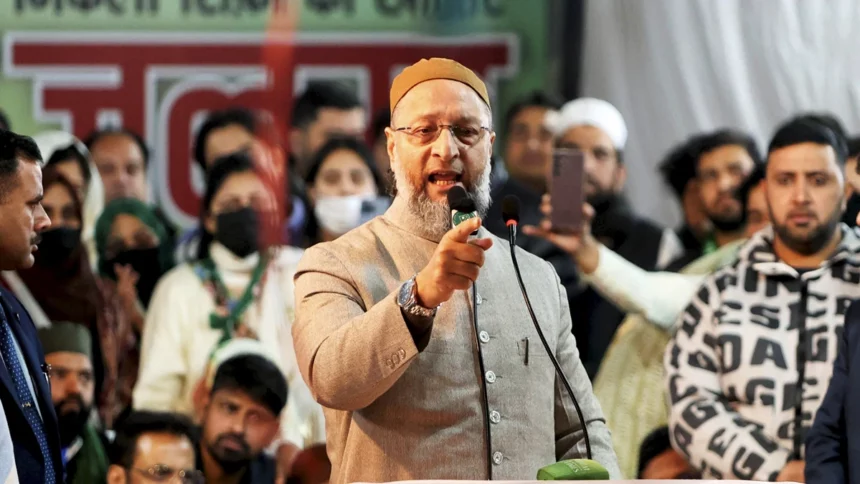
AIMIM chief and Hyderabad MP Asaduddin Owaisi, who was a member of the parliamentary committee that reviewed the Bill, strongly criticized the move and accused leaders like Bihar CM Nitish Kumar, Andhra Pradesh CM N. Chandrababu Naidu, and LJP chief Chirag Paswan of betraying the Muslim community. “If this Bill becomes law, Muslims will never forgive them for their betrayal,” he warned, directly targeting the political leaders who have aligned with the BJP-led government.
Owaisi also condemned the chants of ‘Jai Shri Ram’ heard in Parliament while the report was being tabled. “What is the need to chant JSR slogans at this moment? What message does this send to the nation? The government claims that this Bill is meant to benefit poor Muslims. Is this how it should be done?” he questioned, raising concerns about the larger implications of the Bill.
The Opposition has argued that the amendments proposed in the Bill would dilute the autonomy of Waqf boards and could pave the way for increased government intervention in Waqf properties. The dissenting members of the parliamentary committee, including Owaisi, had reportedly raised objections to certain provisions of the report, but they now claim that their objections were either edited out or not included in the final version submitted to Parliament.
While the BJP and its allies defended the Bill as a necessary step to streamline Waqf administration and ensure transparency, Opposition leaders, particularly from the Congress, AIMIM, and other regional parties, have expressed fears that the amendments could weaken the role of Muslim institutions in managing Waqf properties.
The controversy surrounding the Waqf (Amendment) Bill adds to the ongoing tensions between the ruling NDA and Opposition parties, particularly regarding issues that directly impact minority communities. With elections on the horizon in several states, the move is likely to become a major political flashpoint, as parties weigh in on the Bill’s implications and its potential impact on Muslim voters. Owaisi’s strong remarks signal that the issue is far from over, and the coming weeks may see intensified political battles over the legislation.