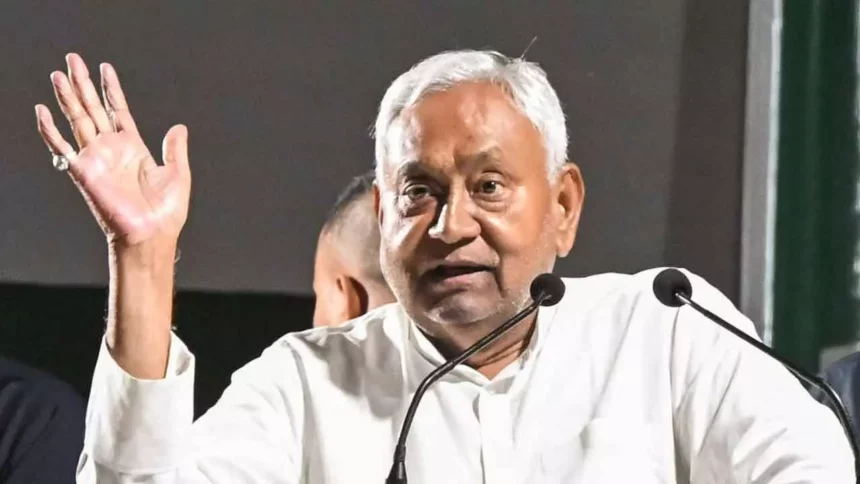
Bihar is undergoing a significant political transition as Chief Minister Nitish Kumar is set to step down from office, marking the end of a long and influential tenure in state politics. The development comes amid heightened political activity in Patna, with preparations underway for the formation of a new government led by the National Democratic Alliance. The resignation is expected to follow a final cabinet meeting, after which the process of selecting a new chief minister will begin. The transition is being closely watched as it could redefine political equations in the state and signal a shift in governance priorities.
The move follows Nitish Kumar’s recent election to the Rajya Sabha, which necessitates a change in his role within the political framework. Having served multiple terms and played a central role in shaping Bihar’s governance over nearly two decades, his exit from the chief minister’s post represents a pivotal moment in the state’s political history.
Leadership Transition Gains Momentum As NDA Prepares New Government
The resignation is expected to trigger a series of political developments, including meetings of legislative parties and alliance partners to finalize the next chief minister. The Bharatiya Janata Party, a key ally in the ruling coalition, is likely to play a decisive role in selecting the new leader. Names such as Samrat Choudhary have emerged as potential contenders for the top post, reflecting the party’s growing influence within the alliance.
Reports indicate that the BJP legislature party meeting will determine its leader, followed by a broader NDA meeting to finalize the chief ministerial candidate. The process is expected to conclude swiftly, with the new government likely to take oath shortly after the resignation.
The transition could also mark the possibility of Bihar witnessing a BJP-led government for the first time, depending on the final decision of the alliance. This shift is being seen as a strategic recalibration within the NDA, aimed at strengthening political positioning ahead of future electoral challenges.
End Of Long Tenure Signals New Political Phase In Bihar
Nitish Kumar’s resignation represents the conclusion of one of the longest and most impactful tenures in Bihar’s political history. Over the years, his leadership has been associated with governance reforms, infrastructure development, and social welfare initiatives. The transition is therefore not only administrative but also symbolic, marking the end of an era in state politics.
The final hours before resignation are expected to include a cabinet meeting, participation in public events, and formal submission of resignation to the governor. The sequence of events underscores the structured nature of the transition, ensuring continuity in governance while facilitating leadership change.
Political observers note that the change in leadership could bring new policy directions and governance approaches, depending on the priorities of the incoming administration. The role of Nitish Kumar is also expected to evolve, with indications that he may continue to influence state politics through strategic guidance and national-level engagement.
The upcoming oath-taking ceremony of the new government is likely to attract national attention, with senior political leaders expected to attend. This highlights the broader significance of the transition beyond Bihar, as it reflects ongoing shifts in India’s political landscape.
Political Realignment, Governance Impact And Future Outlook
The leadership change in Bihar comes at a time when political alliances and strategies are undergoing continuous evolution across the country. The transition provides an opportunity for the ruling alliance to recalibrate its governance approach and address emerging challenges.
Key areas of focus for the new government are expected to include economic development, infrastructure expansion, employment generation, and social welfare programs. The ability to maintain continuity while introducing new initiatives will be crucial for ensuring stability and public confidence.
The shift also raises questions about future political alignments, particularly in the context of national elections and coalition dynamics. Bihar has historically played a significant role in shaping national political narratives, and the current developments are likely to influence broader strategic decisions.
As the state prepares for a new phase of leadership, attention remains focused on the selection of the next chief minister, the composition of the cabinet, and the policy priorities that will define the incoming government. The transition marks a critical juncture in Bihar’s political journey, with implications that extend beyond state boundaries.