In a significant administrative shift driven by global geopolitical tensions, Nepal has announced a two-day weekend for government offices and academic institutions as it grapples with a worsening fuel crisis linked to the ongoing Iran war. The move, which replaces the long-standing single-day Saturday holiday, underscores how deeply international conflicts can disrupt domestic governance in smaller, import-dependent economies. By restructuring its weekly schedule and working hours, Nepal is attempting to balance operational continuity with urgent resource conservation.
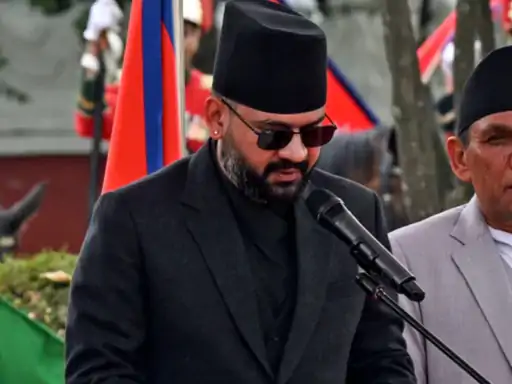
The decision was formalized during a Cabinet meeting held at Singha Durbar, the administrative heart of the country. Under the new policy, Saturdays and Sundays will now be observed as official holidays across government bodies and educational institutions. According to government spokesperson Sasmit Pokharel, the revised system came into effect from April 6, marking an immediate response to mounting logistical and economic pressures caused by fuel shortages.
Nepal’s reliance on imported petroleum products has long made it vulnerable to external disruptions. The current crisis, intensified by instability in West Asia, has constrained fuel availability across the country, affecting transportation, public services, and institutional functioning. In this context, the introduction of a two-day weekend is not merely a lifestyle adjustment but a strategic measure aimed at reducing fuel consumption and easing demand pressures.
Administrative Reforms as a Response to Energy Constraints
The shift to a two-day weekend is accompanied by a recalibration of working hours, reflecting a broader attempt to optimize resource usage. Government offices will now operate from 9 am to 5 pm, extending the daily schedule by an hour compared to the previous 10 am start. This adjustment is designed to maintain productivity levels despite the reduction in working days, ensuring that essential administrative functions continue without major disruptions.
Such measures highlight the government’s effort to strike a delicate balance between efficiency and sustainability. By consolidating working hours into fewer days, Nepal aims to reduce the frequency of commuting and, by extension, fuel consumption. This approach mirrors similar strategies adopted by countries facing energy crises in the past, where administrative restructuring becomes a tool for managing limited resources.
Educational institutions are also included in the new framework, signaling the widespread impact of the crisis on daily life. Schools and colleges, which typically operate on fixed schedules, will now have to adapt to the revised calendar. While this may pose short-term challenges in terms of curriculum planning and academic continuity, it also reflects a collective national response to an extraordinary situation.
The decision underscores the interconnected nature of global and local dynamics. A conflict thousands of kilometers away has translated into tangible changes in Nepal’s administrative and educational systems, illustrating the far-reaching consequences of geopolitical instability.
Regional Instability and Economic Vulnerability Come Into Focus
The fuel crisis in Nepal is a direct consequence of disruptions in global supply chains triggered by escalating tensions in West Asia. As a landlocked nation with limited domestic energy resources, Nepal depends heavily on imports, making it particularly susceptible to external shocks. The current situation has exposed these vulnerabilities, prompting urgent policy interventions to mitigate the impact.
Beyond the immediate administrative changes, the crisis raises broader questions about energy security and economic resilience. Nepal’s dependence on external fuel supplies has long been recognized as a strategic challenge, but the present circumstances have brought it into sharper focus. The government’s response, while pragmatic, also highlights the need for long-term solutions that reduce reliance on volatile international markets.
At the same time, the introduction of a two-day weekend reflects an adaptive governance model that prioritizes flexibility in times of crisis. Rather than imposing strict restrictions or curtailing services, the government has opted for a structural adjustment that spreads the burden more evenly across society. This approach not only conserves resources but also maintains a sense of normalcy in public life.
The ripple effects of the Iran war continue to reshape economic and political landscapes far beyond the immediate conflict zone. For Nepal, the crisis serves as both a challenge and a reminder of the importance of strategic planning in an interconnected world. As the situation evolves, the effectiveness of these measures will depend on how well they balance immediate needs with long-term sustainability.