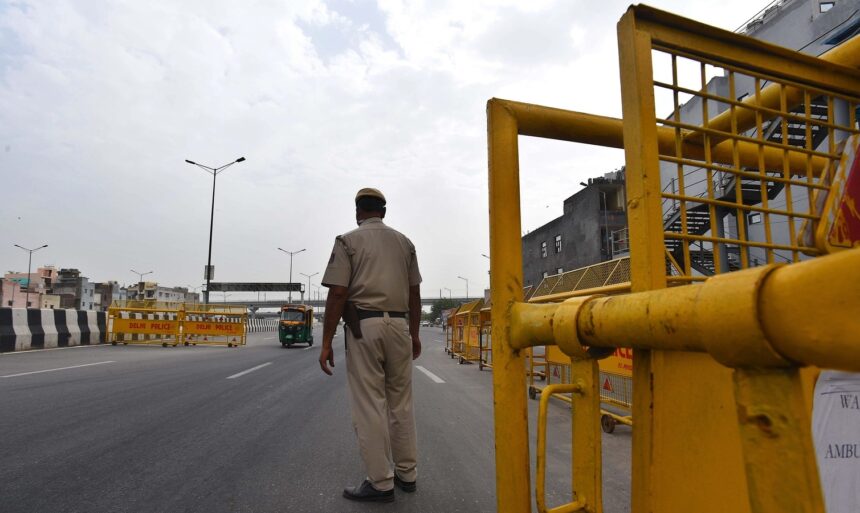
India is witnessing a nationwide Bharat Bandh today, led by ten central trade unions protesting the government’s economic and labour policies, causing widespread disruptions in banking, transport, postal services, and power supply. The strike, supported by over 25 crore workers, is intended to oppose what unions describe as “anti-worker and pro-corporate” reforms, demanding better wages, job security, and the withdrawal of privatisation plans.
The strike, organised by a joint forum of trade unions including INTUC, AITUC, HMS, CITU, and others, has brought attention to rising unemployment, reduced government spending on essential services, and the implementation of four labour codes, which unions claim undermine workers’ rights. A 17-point demand charter, including higher MNREGA wages, increased workdays, and filling vacant posts, has been placed before the government as part of the protest.
Banking and Power Services Hit
Banking services across the country are likely to be impacted as employees affiliated with unions like the All India Bank Employees Association participate in the strike. Though no official bank holiday has been declared, disruptions in transactions and services are expected due to employee participation.
Power supply may also see disruptions with over 27 lakh power sector workers joining the protest. The extent of the impact may vary by region, with some areas anticipating outages or reduced services as power sector unions extend support to the strike.
Transport and Public Services Disrupted
Public transportation across several cities could face delays, with buses, taxis, and app-based cab services affected by road blockades and protest marches. In Kerala, there is uncertainty around the operation of state transport buses, with unions claiming participation despite the transport minister stating services will continue.
While railway unions have not officially joined the strike, there could be indirect effects on train services, with protests potentially causing localised delays and heightened security at major stations. Demonstrations, including track blockades, have been reported in regions with strong union presence, leading to minor disruptions in train schedules.
Despite the disruptions, educational institutions are expected to remain open, as no official closure notices have been issued. Schools and colleges across the country are likely to function as usual unless local authorities instruct otherwise.
Union leaders argue that the government’s policies are worsening economic distress, increasing prices, reducing wages, and encouraging outsourcing and casualisation of the workforce while failing to generate employment opportunities for the youth, especially in critical sectors like railways, steel plants, and government departments. They have also criticised the government for not convening the annual labour conference for the last decade and allege that reappointment of retired personnel over youth recruitment is harming the country’s employment landscape.
Support for the Bharat Bandh has also come from farmers’ groups like the Samyukta Kisan Morcha, who have pledged large-scale rural mobilisation in solidarity with the workers’ demands, further amplifying the call for economic and social justice across India today.