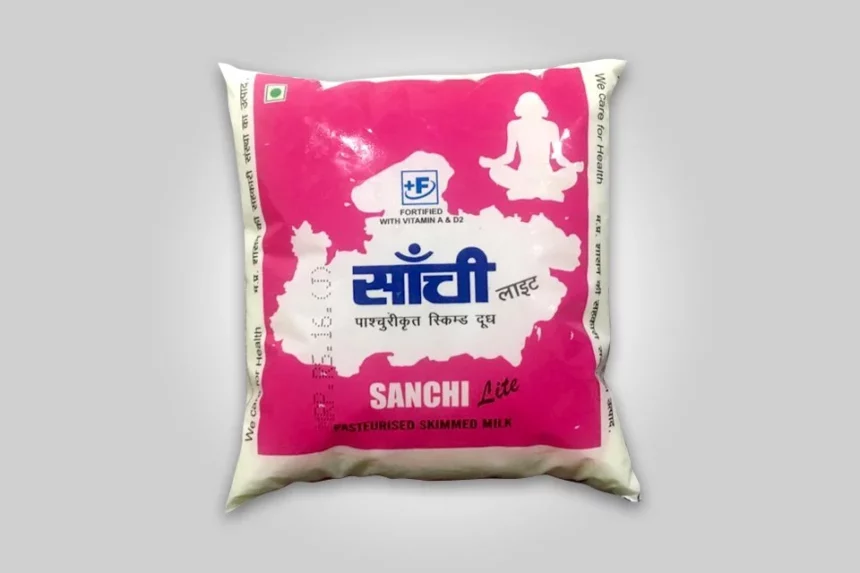
Consumers across Madhya Pradesh are set to pay more for milk after Sanchi announced a fresh increase in the prices of its toned milk and gold milk variants. The revised rates, effective from May 15, come amid rising procurement expenses, transportation costs, and mounting pressure on milk supply during the summer season.
The latest decision by the state-run dairy cooperative has once again brought the issue of food inflation and rising household expenses into focus. With temperatures soaring across central India and dairy supply chains facing seasonal stress, milk producers and distributors are struggling to balance farmer payments and consumer affordability.
Officials associated with the Madhya Pradesh State Cooperative Dairy Federation said the price revision became necessary due to a combination of higher procurement prices paid to dairy farmers and increasing operational costs. The move follows similar hikes recently announced by leading dairy brands across the country, signaling a broader trend in the Indian dairy sector.
The price revision by Sanchi comes nearly a year after its last increase in May 2025, when the cooperative had also raised milk prices by Rs 2 per litre. The new hike is expected to affect millions of households across the state, especially in urban centers such as Indore, Bhopal, Ujjain, and surrounding districts where Sanchi remains one of the most trusted and widely consumed dairy brands.
According to officials, the federation has intentionally kept prices unchanged for smaller milk packets, including 170 ml and 180 ml pouches, as these are primarily purchased by economically weaker and underprivileged consumers. The decision has been viewed as an attempt to protect low-income households from the immediate burden of inflation while still adjusting mainstream retail prices.
The dairy federation’s Managing Director, Sanjay Govani, explained that milk procurement becomes significantly more expensive during the summer months. As temperatures rise, milk production in many regions declines because cattle face heat stress and reduced feed intake. At the same time, demand for milk and dairy products remains stable or even increases in several urban markets.
He added that transportation expenses have also climbed due to fuel price fluctuations and logistical challenges. Maintaining cold chain infrastructure during extreme heat conditions further raises operational expenditure for dairy cooperatives.
The increase in Sanchi milk prices has arrived at a time when consumers are already dealing with higher costs for vegetables, edible oils, LPG cylinders, and transportation. Economists believe repeated price revisions in essential commodities could continue to impact household budgets, especially among middle-class families.
The latest move by Sanchi closely follows the announcement made by the Gujarat Cooperative Milk Marketing Federation, which markets dairy products under the Amul brand. Amul recently increased milk prices by Rs 2 per litre across several major variants nationwide. Mother Dairy also announced a similar revision, making it clear that the dairy sector is witnessing widespread pricing pressure.
Industry observers say the back-to-back announcements from multiple dairy cooperatives indicate a structural issue rather than a temporary fluctuation. Rising cattle feed costs, water scarcity in certain regions, increased electricity tariffs, and transportation expenses are collectively driving up production costs for milk suppliers.
In Indore, where dairy consumption remains among the highest in the state, residents have already witnessed local milk distributors increasing prices over the past few months. Earlier this year, the Indore Dugdh Vikreta Sangh had raised doorstep milk supply prices by Rs 3 per litre, taking rates to Rs 63 per litre from April 1.
The cumulative effect of these increases is now becoming visible in household spending patterns. Families that rely on milk for daily consumption, especially those with children and elderly members, may feel the impact more strongly as milk remains a staple item in most Indian kitchens.
Despite the hike, Sanchi continues to maintain a dominant position in Madhya Pradesh’s dairy market. The cooperative currently records daily packaged milk sales of nearly 7.5 lakh litres across the state. Bhopal and Indore remain its two largest consumption markets, contributing significantly to overall sales.
Data shared by officials shows that Bhopal leads the state with approximately 3.06 lakh litres of daily liquid milk sales. Indore follows closely with around 2.35 lakh litres sold every day. Together, these two cities account for a substantial portion of Sanchi’s milk distribution network.
Demand has also been increasing in tier-two cities and semi-urban regions. Ujjain currently records close to 90,000 litres in daily milk sales, while the Bundelkhand region has reportedly reached nearly 80,000 litres during peak summer demand periods.
The dairy sector in India has been witnessing a transformation over the past decade, driven by urbanization, rising incomes, and growing awareness regarding nutrition and packaged food safety. However, experts say that maintaining stable milk prices remains a challenge because dairy farming is heavily influenced by weather conditions and feed availability.
Heatwaves and irregular rainfall patterns have become major concerns for dairy farmers in recent years. Veterinary experts note that high temperatures directly affect cattle productivity, leading to lower milk yields. Farmers are often forced to spend more on water supply, cooling arrangements, and nutritional supplements for livestock during summer months.
These added expenses eventually reflect in procurement rates offered by dairy cooperatives. In many cases, cooperatives are compelled to increase retail prices to sustain operations and ensure farmers continue receiving fair compensation.
Analysts also point out that India’s dairy supply chain depends heavily on small and marginal farmers. A significant portion of milk production comes from rural households owning just two or three cattle. Even small changes in feed costs or fuel prices can therefore create a ripple effect across the entire dairy ecosystem.
For consumers, however, repeated price increases are becoming increasingly difficult to absorb. Urban families are already facing pressure from rising education costs, rent, fuel prices, and electricity bills. Milk price hikes add another layer to the broader inflationary trend affecting daily essentials.
Retailers and small shop owners in Madhya Pradesh expect mixed reactions from customers following the revised rates. Some anticipate a slight reduction in demand for premium milk variants, while others believe consumers may gradually shift toward loose milk supplied by local vendors in order to save money.
At the same time, food industry experts argue that organized dairy brands continue to enjoy strong trust among consumers because of quality assurance, hygienic packaging, and consistent supply. As a result, even after price increases, demand for branded milk is unlikely to witness a dramatic decline.
The Indian dairy industry has historically remained sensitive to procurement cycles and seasonal variations. Price hikes during summer are not uncommon, but the current round of revisions has drawn greater attention because multiple major brands have increased prices within a short period.
Market experts believe the coming monsoon season will play a crucial role in determining future milk prices. A healthy monsoon could improve fodder availability and reduce pressure on dairy farmers, potentially stabilizing procurement costs in the months ahead. However, any weather disruptions could prolong the current inflationary trend in the dairy sector.
Consumers in Madhya Pradesh are now watching closely to see whether other regional dairy cooperatives and private suppliers follow Sanchi’s latest move. Industry insiders suggest further revisions cannot be ruled out if procurement and transportation costs continue rising.
For now, Sanchi has emphasized that the increase is necessary to maintain operational sustainability while ensuring dairy farmers receive better returns for their produce. Officials insist the cooperative remains committed to balancing farmer welfare with consumer affordability, even as market conditions become more challenging.
As milk prices continue climbing across India, the latest hike by Sanchi reflects the broader economic pressures affecting both producers and consumers. The coming months are expected to test how dairy cooperatives manage rising costs while maintaining public confidence and stable supply chains.