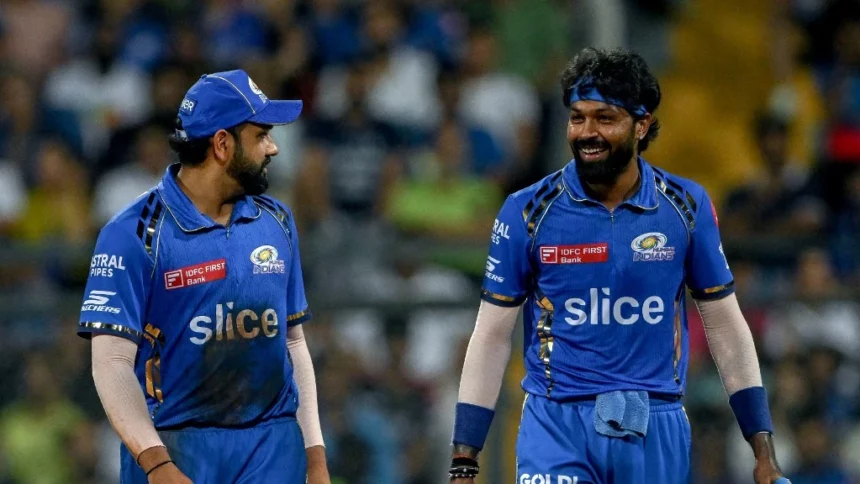
The IPL 2026 fixture between Mumbai Indians and Punjab Kings brings together two teams with contrasting momentum and strong leadership groups, as both sides aim to strengthen their position in the points table. The match features senior Indian stars including Rohit Sharma and Hardik Pandya for Mumbai Indians, while Punjab Kings rely on Shreyas Iyer’s leadership and a balanced squad structure. With both franchises pushing for consistency in the tournament, the contest is expected to deliver a tightly contested battle across batting depth, bowling variations, and middle-overs control. The live match environment highlights strategic decisions, powerplay execution, and death-over pressure as key deciding factors in the outcome.
High-Stakes Battle in IPL 2026 Points Race
The encounter between Mumbai Indians and Punjab Kings carries significant importance in the IPL 2026 standings. Mumbai Indians enter the contest aiming to stabilize their mid-season performance, focusing on top-order consistency and bowling discipline. Rohit Sharma’s experience at the top remains a crucial factor, while Hardik Pandya’s dual role as captain and all-rounder adds flexibility to the team structure.
Punjab Kings, led by Shreyas Iyer, approach the match with a focus on aggressive batting intent and spin utilization in middle overs. The team’s strategy revolves around early breakthroughs and maintaining scoring pressure through the middle phase. The performance of their batting unit against Mumbai’s pace attack becomes a decisive element.
Both teams are aware that each win significantly impacts playoff qualification chances, making this match more than just a regular league fixture. Tactical adjustments, impact player decisions, and match-ups between key players define the flow of the contest.
Key Players and Tactical Matchups
Rohit Sharma’s role at the top remains central to Mumbai Indians’ batting strategy, especially in setting up a stable foundation during powerplay overs. His ability to anchor innings while accelerating when required provides balance to the lineup.
Hardik Pandya’s contribution as an all-rounder plays a dual role in both batting depth and bowling flexibility. His overs in the middle and death phases are crucial in controlling Punjab’s scoring rate.
On the Punjab side, Shreyas Iyer’s captaincy focuses on stability in the middle order and rotating strike under pressure situations. The support from overseas batters and finishers becomes important in maximizing innings totals.
Bowling units on both sides face pressure in containing explosive batting lineups. Mumbai’s pace attack focuses on early wickets, while Punjab’s bowling relies on variation and slower deliveries to restrict scoring.
Match Flow and Live Momentum Shifts
The match features frequent momentum changes driven by powerplay performance and middle-over acceleration. Early wickets often dictate the rhythm of the innings, while partnerships in the middle overs stabilize scoring patterns.
Death overs become the most critical phase, where execution under pressure determines final outcomes. Yorkers, slower balls, and boundary prevention strategies define the final stages of both innings.
Field placements and captaincy decisions also play a major role in controlling run flow. Substitutions and tactical changes under IPL’s impact player rule further influence match dynamics.
The live nature of the contest keeps momentum unpredictable, with both teams capable of shifting dominance within a few overs.
Playoff Implications and Season Outlook
This fixture plays a direct role in shaping the IPL 2026 playoff race. A win strengthens qualification chances, while a loss increases pressure in remaining matches. Net run rate considerations also add importance to every over played.
Mumbai Indians aim to rebuild consistency through experienced leadership and balanced squad rotation. Punjab Kings focus on converting strong starts into match-winning performances.
As the league progresses, such matches define momentum shifts that influence final standings and playoff seedings.