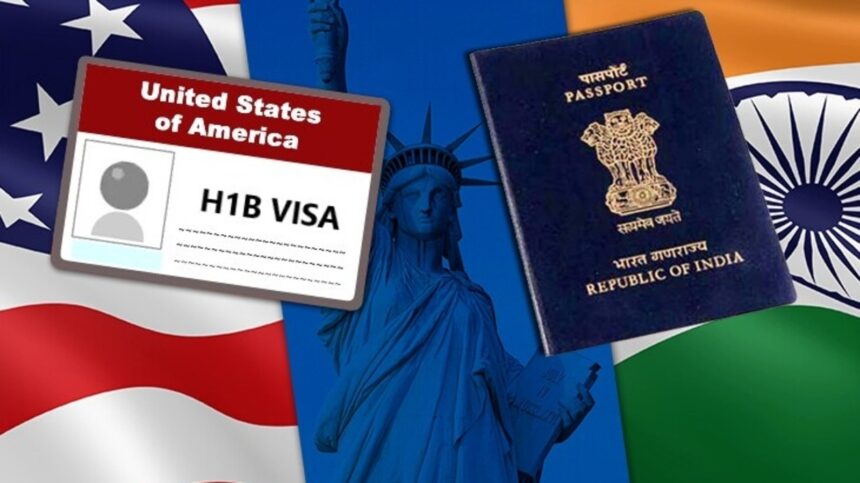
The H-1B visa programme, a cornerstone of the United States’ temporary work visa system, has come under scrutiny after former US representative and economist Dave Brat alleged significant irregularities in its administration, claiming that a single Indian district received far more visas than legally permissible. This revelation has reignited debates on immigration policies, employment protections for American workers, and the integrity of international work visa processes. Brat’s allegations suggest that the H-1B system, designed to bring skilled foreign labor into the United States to supplement domestic workforce needs, may have been exploited through fraudulent practices that undermine both legal frameworks and public trust in the programme. The claim that the Madras district alone secured 220,000 visas, exceeding the national cap, has sent shockwaves through policy circles and has intensified discussions about systemic vulnerabilities and the need for reform.
Allegations of Systemic Fraud and Oversight Failures in H-1B Programmes
During a recent podcast on Steve Bannon’s War Room, Dave Brat detailed his concerns about the H-1B system, which allows American companies to hire skilled foreign workers, predominantly from India. He stated that 71% of H-1B visas issued went to Indian nationals, while only 12% were granted to Chinese applicants, signaling disproportionate allocations that merit closer examination. Brat highlighted that although the statutory cap for H-1B visas stands at 85,000 annually, the Madras district allegedly received 220,000 visas, nearly three times the legal limit. Such figures, he claimed, point to “industrial-scale fraud” that has exploited loopholes in the visa system, potentially displacing American workers from key jobs and threatening the livelihoods of families across the country. He elaborated on the personal impact of this alleged misuse, suggesting that unqualified individuals could occupy positions meant for skilled labor, thereby affecting wages, employment opportunities, and economic stability for local families.
Brat further emphasized that the H-1B system’s vulnerabilities are not merely bureaucratic issues but have real human consequences. According to him, when foreign workers who do not meet qualification standards are admitted, they can inadvertently or intentionally impact the housing, income, and job security of American citizens. His argument extended to a broader critique of how the system has been leveraged by corporations, possibly prioritizing profit over compliance, integrity, and the welfare of domestic employees. Brat’s assertions are particularly significant given the ongoing debate about immigration policy in the United States, reflecting tensions between economic imperatives, workforce protections, and the ethical administration of visa programmes.
Testimonies from Diplomats and Experts on Widespread Visa Fraud
In addition to Dave Brat’s claims, Indian-American diplomat Mahvash Siddiqui, who previously served at the Chennai consulate from 2005 to 2007, corroborated concerns about irregularities in the H-1B system. During a podcast discussion, she asserted that a significant proportion of H-1B visas issued to Indian nationals were fraudulent, with figures ranging from 80 to 90% of the total. Siddiqui explained that many visas were obtained using falsified degrees, forged documentation, or submissions from individuals who did not meet the genuine skill requirements for the programme. Her statements suggest systemic weaknesses in vetting procedures and regulatory oversight, which may have allowed widespread abuse of the H-1B process over multiple years.
The alleged prevalence of fraud, according to Siddiqui, not only undermines the credibility of the H-1B system but also raises questions about the effectiveness of verification and enforcement mechanisms designed to maintain fairness and legality. These revelations have broader implications for both the United States and India. For the US, it highlights potential risks to domestic employment standards, economic productivity, and immigration integrity. For India, it raises concerns about the mechanisms used by its citizens to access international work opportunities, as well as the reputational impact on legitimately qualified professionals navigating global labour markets.
Experts and policymakers have noted that the H-1B programme was originally intended to address genuine skill shortages in the US workforce by bringing in talent that is not readily available domestically. However, allegations like those presented by Brat and Siddiqui suggest that fraudulent practices may compromise the programme’s original intent, disadvantaging both American workers and genuinely qualified foreign applicants. The disproportionate allocation of visas, coupled with reports of falsified qualifications, signals a pressing need for audit, reform, and enforcement improvements. Stakeholders have called for stricter verification procedures, enhanced monitoring of corporate sponsorships, and accountability mechanisms to prevent recurrence of such alleged abuses.
The implications of these claims extend beyond individual employment opportunities. By potentially allowing unqualified workers to occupy positions meant for skilled labor, systemic fraud can affect wages, career progression, and the overall economic ecosystem. Moreover, the perception of corruption or manipulation in the visa process can erode public confidence in government policies, creating tensions within communities dependent on fair access to job opportunities. Brat and Siddiqui’s testimonies underscore the urgent requirement for transparency and accountability in administering the H-1B programme, highlighting a scenario in which procedural lapses can have cascading social and economic consequences.
These allegations also intersect with broader debates on immigration policy under administrations such as that of Donald Trump, which emphasized stricter enforcement, deportation of undocumented immigrants, and limitations on certain visa categories. While H-1B visas are legal pathways for skilled foreign workers, accusations of widespread fraud have provided fuel for political and legislative discussions around immigration reform, border security, and the protection of domestic labor interests. The alleged misuse of the system has prompted discussions on how to reconcile the dual objectives of attracting international talent while ensuring fair and equitable opportunities for domestic workers.
Furthermore, Siddiqui’s insights into the fraudulent acquisition of H-1B visas reveal the practical difficulties faced by consulates and immigration authorities in verifying the authenticity of foreign qualifications and employment sponsorships. This situation illustrates a significant governance challenge for US immigration policy and highlights the necessity for robust international cooperation, rigorous auditing, and stringent standards in vetting applicants. It also underscores the importance of ethical corporate participation in the process, ensuring that companies hiring foreign talent do not bypass established regulations for short-term gains.
The combination of Brat’s and Siddiqui’s accounts points to systemic risks inherent in the H-1B programme, emphasizing that oversight failures can have significant socio-economic impacts. Their testimonies have drawn attention from policymakers, media outlets, and the general public, sparking debates about balancing national interest with global talent acquisition. At its core, the controversy raises fundamental questions about fairness, legality, and the strategic management of skilled immigration.
The alleged scale of fraud, involving a single district obtaining more than double the legal cap, is indicative of potential exploitation of loopholes and weaknesses in the existing visa allocation framework. If substantiated, such findings could necessitate comprehensive reforms, ranging from tightening eligibility criteria to strengthening cross-border verification mechanisms. Policymakers may also explore digital solutions, biometric tracking, and third-party audits to prevent recurrence of large-scale misuse.
In addition to regulatory considerations, these claims highlight the human dimension of visa administration. Thousands of skilled individuals globally rely on fair access to programmes like H-1B to pursue professional growth and contribute to economic development. Widespread fraud undermines this equitable access, creating barriers for those who meet all legitimate criteria. Brat and Siddiqui’s narratives draw attention to the need for a system that balances opportunity, fairness, and national security considerations without disadvantaging deserving candidates.
As discussions around H-1B visa integrity continue, policymakers, economists, and stakeholders are advocating for a holistic approach to reform. Recommendations include stricter vetting of applicants, enhanced scrutiny of sponsoring companies, transparent reporting mechanisms, and robust accountability frameworks. Public discourse around these allegations also emphasizes the importance of protecting domestic employment while simultaneously maintaining the United States’ position as a global destination for skilled professionals.
Overall, the debate ignited by Brat and Siddiqui underscores that the administration of H-1B visas is not merely a technical process but a critical component of labor policy, economic planning, and national interest. Ensuring the integrity of the programme is essential for maintaining confidence in legal immigration pathways, protecting domestic workforce interests, and preserving the credibility of the United States’ immigration system in the eyes of global stakeholders. The scale and seriousness of the alleged fraud necessitate sustained oversight, targeted reform, and vigilant enforcement to restore trust and prevent future exploitation.