


Majuli Island

Majuli Island, nestled in Assam’s northeastern region, is a world-renowned river island, celebrated for its awe-inspiring natural beauty and rich cultural heritage. As the largest river island globally, Majuli offers a blend of breathtaking landscapes and a vibrant cultural mosaic, making it an ideal destination for travelers seeking an authentic and diverse experience.
Historical Significance and Geography

Majuli’s history, stretching back centuries, is deeply intertwined with the dynamic Brahmaputra River. The island was carved out from a larger landmass due to the river’s shifting course. Spanning around 400 square kilometers, Majuli is adorned with lush greenery, marshlands, and captivating water bodies, offering visitors a unique and enchanting environment.
Cultural Richness
Majuli, the cultural heart of Assam, is a sanctuary for various indigenous tribes and communities. The island’s Satras, Vaishnavite monasteries, are central to its cultural identity. These Satras are renowned for preserving Assamese classical dance forms, including Sattriya dance, which gained national recognition in 2000. The island’s cultural vibrancy peaks during the Raas Mahotsav, a festival celebrating the life of Vaishnavite saint Srimanta Sankardeva with processions, music, and dance.
Challenges and Preservation Efforts
Despite its cultural significance, Majuli faces challenges, primarily due to erosion from the Brahmaputra River. To safeguard its heritage, the Assam government, in collaboration with UNESCO, has designated Majuli as a cultural heritage site, initiating conservation efforts and sustainable tourism.
Natural Beauty and Lifestyle
Majuli’s natural splendors are as striking as its cultural heritage. The island’s landscapes and wetlands, home to diverse flora and fauna, including the endangered Gangetic dolphin, are a magnet for nature enthusiasts. Visitors can explore the island’s serene beauty on foot or by bicycle, engage with the welcoming locals, and experience their unique lifestyle in traditional bamboo cottages or homestays.
Local Cuisine
A visit to Majuli isn’t complete without sampling its local cuisine. Traditional Assamese dishes, made with fresh organic produce, provide a delightful culinary journey.
Cultural Landscape and Heritage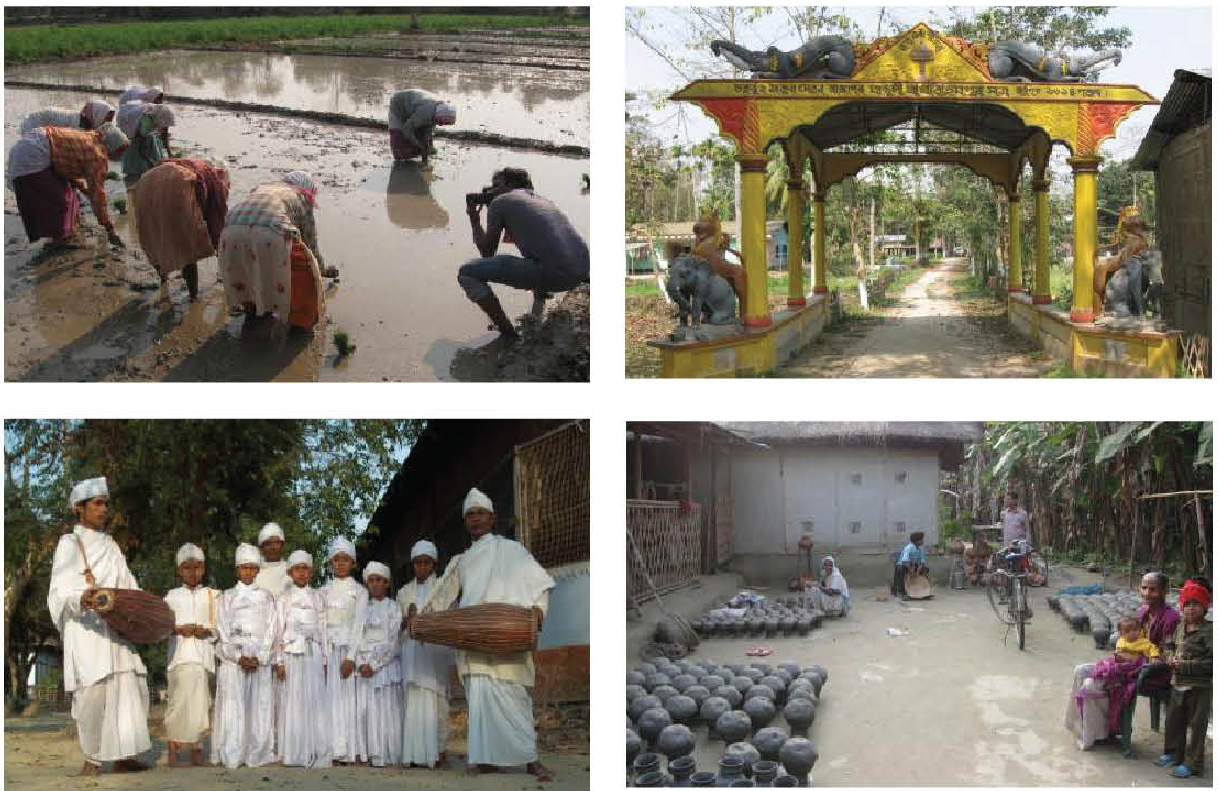
Majuli’s identity as a cultural hub is further exemplified by its status as the center of Neo-Vaishnavite culture. The island is home to diverse tribal and non-tribal communities, enriching its cultural tapestry. Neo-Vaishnavite monasteries, or Satras, are central to Majuli’s cultural landscape, fostering traditions like literature, music, theater, dance, and crafts.
Satras: The Cultural Pillars
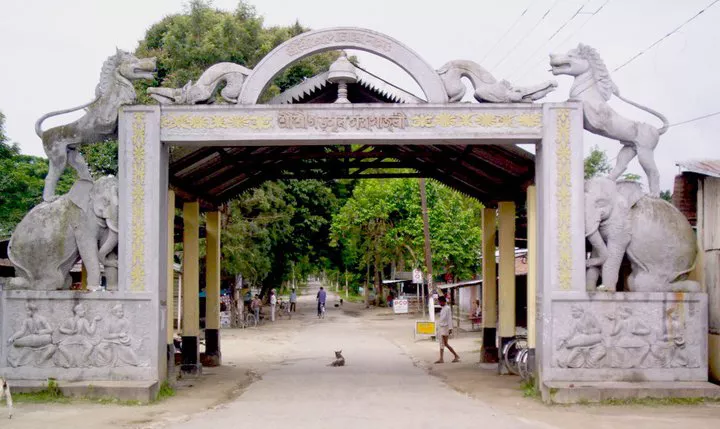
Majuli boasts the highest concentration of Satras, established by Srimanta Sankaradeva in the early 16th century. These Satras, with their distinct architectural units, serve as a blend of religious, cultural, and social institutions. They play a crucial role in retaining and promoting Neo-Vaishnavism’s invaluable traditions, including Sattriya dance and Bhaona performances.
Artistic Traditions
Majuli is a repository of artistic traditions, such as manuscript-painting, mask-making, and weaving. The terracotta village of Salmora, known for its terracotta industry, adds to the island’s cultural wealth. These traditions, nurtured by different communities, contribute to Majuli’s unique cultural identity.






