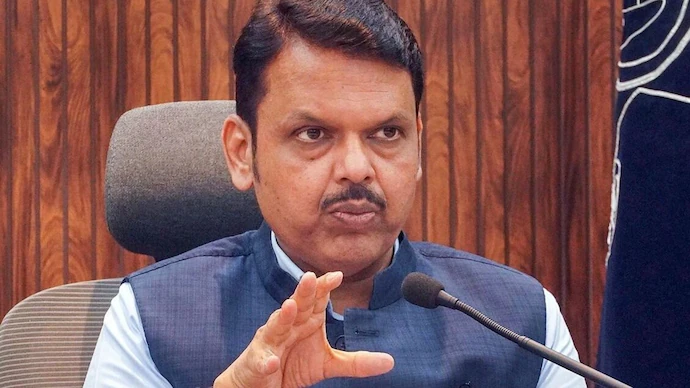
Maharashtra Chief Minister Devendra Fadnavis has emphasized that the final decision on the controversial three-language formula in schools will be made only after thorough consultations with key stakeholders, including language experts, political leaders, and literary figures. Addressing concerns around the implementation of the New Education Policy (NEP), Fadnavis assured that the government is focused on balancing regional sentiments while ensuring students’ interests remain paramount.
Stakeholder Consultations to Guide Language Policy
The Chief Minister convened a late-night meeting in Mumbai with Deputy CM Eknath Shinde, School Education Minister Dada Bhuse, Minister of State Pankaj Bhoyar, and senior education officials to discuss the implications of the three-language policy under the NEP. The government’s amended order mandates Hindi as the third language in Marathi and English medium schools from Classes 1 to 5, but clarifies it will not be compulsory for students. Instead, any Indian language other than Hindi can be offered, provided at least 20 students opt for it in a grade.
Fadnavis highlighted that the government will present data reflecting the current linguistic landscape across states and assess the academic impact, especially on Marathi students. A structured consultation process will be undertaken to include inputs from scholars, writers, political leaders, and other stakeholders before finalizing the policy.
Following the meeting, Education Minister Dada Bhuse stated that the government is committed to engaging with all concerned parties, including opposition voices like Maharashtra Navnirman Sena (MNS) chief Raj Thackeray and literary figures, to explain the rationale behind the NEP framework and address objections.
Balancing Regional Sentiments and Educational Needs
The language policy has triggered opposition from groups wary of Hindi imposition in Maharashtra, where Marathi is the predominant language. Raj Thackeray recently criticized the government’s move, terming it a deliberate attempt to create a linguistic divide and called on schools to resist the imposition of Hindi.
Responding to these concerns, Cultural Affairs Minister Ashish Shelar clarified that Marathi remains the only mandatory language in the state. He dismissed claims that Hindi has been made compulsory for young students, explaining that the government has even removed previous mandates requiring Hindi from Classes 5 to 8. Hindi and other languages will be offered only as optional choices.
Ashish Shelar reaffirmed the government’s commitment to promoting Marathi language and safeguarding students’ welfare, describing the ongoing controversy as “unreasonable and illogical.” The government plans to provide comparative analysis showcasing how Maharashtra’s language policy aligns with practices in other states.
Through these measures, the state government aims to strike a balance between respecting Marathi’s cultural significance and implementing the NEP’s multilingual framework, ensuring students receive a broad-based education without feeling culturally alienated.