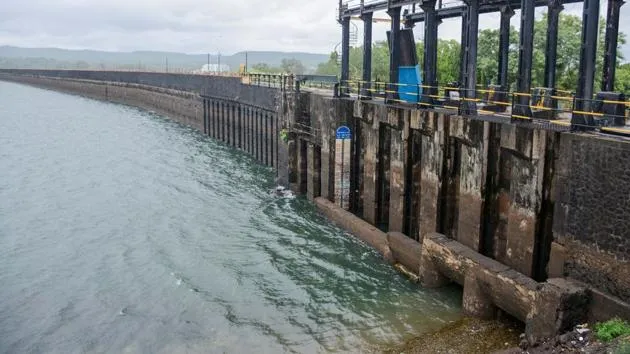
Maharashtra is grappling with an escalating water crisis as the water levels in its major dams have dropped sharply over the last month. According to the Central Water Commission, the average water storage across 32 key reservoirs in the state has declined by 18 per cent within just a few weeks. With summer intensifying, this depletion is raising serious concerns about the state’s preparedness for meeting drinking, agricultural, and industrial water demands.
Currently, the collective water stock in these 32 dams stands at only 32.10 per cent of their total capacity. This is not only lower than last month’s figure of 50.32 per cent but also falls short of the national average of 36.16 per cent across 146 major reservoirs. Maharashtra is now trailing behind several other states in terms of water availability, underscoring the urgency for proactive resource management.
Critical Shortages in Key Dams
Of the 32 monitored dams in Maharashtra, 20 have recorded water levels below 50 per cent. Some reservoirs are nearly dry, holding less than 10 per cent of their capacity. One of the most concerning cases is the Ujani Dam in Solapur, which currently holds a mere 1.97 per cent of its total water storage. In stark contrast, a few dams are performing better. The Manikdoh Dam in Pune district is currently at full capacity, and the Ghod Dam is relatively stable with 60.92 per cent storage.
The discrepancy between these reservoirs highlights the uneven distribution of water resources across regions and the need for strategic intervention to manage supplies more effectively. The variation also suggests that certain areas may face more severe water shortages than others in the coming weeks.
Experts Call for Immediate Government Action
With the state’s average dam storage dropping rapidly and the onset of peak summer ahead, water conservation and efficient distribution have become top priorities. Experts are urging the Maharashtra government and the state’s water resources department to take swift action. Recommendations include prioritising drinking water needs, implementing equitable distribution plans, and launching public awareness campaigns to encourage water-saving practices.
The situation is being monitored closely, as any further delay in action could exacerbate the crisis, affecting millions of residents and threatening the agricultural output of one of India’s most crucial states.