In the latest episode of violent protests in Ladakh, the Bharatiya Janata Party (BJP) has publicly accused a Congress councillor of instigating mobs, highlighting videos and images allegedly showing him actively participating in the unrest. The demonstrations, which erupted over demands for statehood and other regional grievances, turned deadly, claiming four lives and leaving nearly 90 people injured. The BJP’s allegations have intensified political tensions, raising concerns about the potential manipulation of protests for partisan objectives. Authorities have moved swiftly to impose restrictions and contain the situation, with dozens of arrests already made and law enforcement deployed to prevent further escalation.
BJP Accusations and Evidence Against Congress Councillor
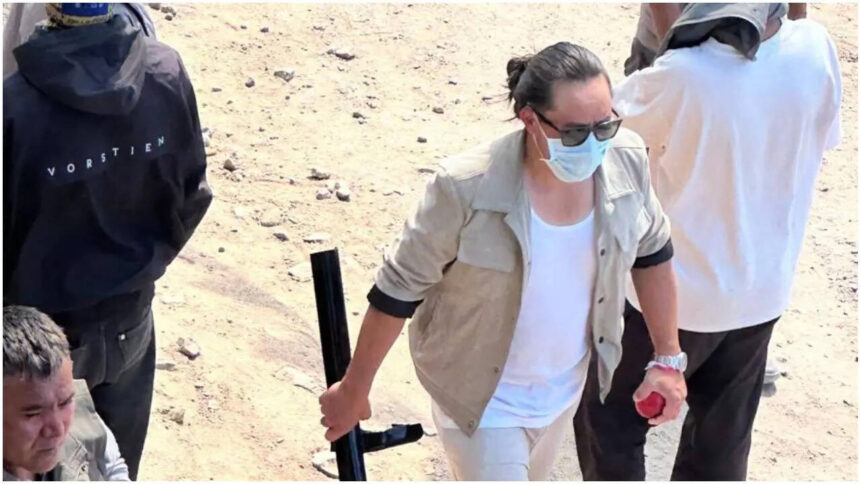
At a press briefing in the national capital, BJP leaders presented images and video clips purportedly showing Congress Councillor Phuntsog Stanzin Tsepag of Upper Leh Ward actively participating in the violent mobs during the protests. The party claims these visuals confirm the councillor’s role in instigating unrest that resulted in property damage and public disorder. BJP IT Cell chief Amit Malviya circulated a video on social media platform X, depicting Tsepag allegedly leading sections of the crowd and provoking demonstrators.
BJP officials have framed the unrest as not merely spontaneous public dissent but as influenced or orchestrated by political actors, linking local disturbances to broader national-level strategies. Party leaders have drawn attention to photos of Tsepag with senior Congress leaders, suggesting a deliberate attempt to foment unrest and challenge law and order in the region. The BJP narrative emphasizes that this organized element within the protests transformed them from peaceful demonstrations into violent confrontations, resulting in casualties and property destruction, including the vandalism of vehicles and public infrastructure.
Further, the BJP has questioned the motives behind Congress’ involvement, insinuating that the party seeks to capitalize on regional grievances to weaken governance structures and destabilize local administration. By highlighting the councillor’s participation and sharing visual evidence with the public, BJP leaders intend to underscore the alleged partisan manipulation of public protests, framing it as a deliberate effort to challenge both law enforcement and political authority in Ladakh.
Law Enforcement Response and Arrests
In response to the violence, local authorities acted promptly to restore order and prevent further escalation. The District Magistrate of Kargil imposed restrictions under Section 163 of the Bharatiya Nyaya Sanhita (BNS), effectively banning processions, rallies, and any form of unlawful assembly in the region. Police forces have been deployed in large numbers to key areas, ensuring vigilance against potential flare-ups and maintaining law and order amid heightened tensions.
As of the latest reports, 48 individuals have been detained in connection with the unrest. Authorities have registered a First Information Report (FIR) against those involved, marking the formal beginning of investigations into the incidents of violence. Law enforcement agencies are scrutinizing video evidence and social media posts, attempting to identify the individuals responsible for instigating mobs and participating in property destruction or assaults on public officials.
The imposition of restrictions and targeted arrests aims to send a clear signal that violent conduct will not be tolerated, even amid the highly charged political and social environment surrounding Ladakh’s statehood demands. While the authorities focus on controlling immediate threats to safety and infrastructure, there is also an emphasis on ensuring that investigations proceed systematically to identify and prosecute those responsible for orchestrating or participating in the violence.
Meanwhile, public officials and political observers have expressed concern that the escalation could exacerbate existing tensions in the region, potentially impacting local governance and complicating ongoing discussions about constitutional and administrative changes for Ladakh. By highlighting both the role of political actors and the proactive steps taken by law enforcement, this episode underscores the fragile balance between civic protest and the maintenance of law and order in politically sensitive regions.
The developments in Ladakh highlight the challenges facing authorities in managing protests while simultaneously navigating allegations of political interference. The BJP’s public accusations against Congress and the documentation of alleged instigation point to the complex interplay between grassroots mobilization, regional political interests, and national-level party rivalries. Law enforcement’s swift response and the imposition of preventive measures aim to contain unrest, protect civilians, and ensure that political grievances are expressed without endangering public safety.
The situation remains fluid, with authorities monitoring the region closely and assessing both immediate security needs and longer-term implications for governance and political stability. The interplay of violent incidents, political narratives, and administrative interventions in Ladakh illustrates the high stakes involved in managing protests in regions with deeply rooted social and political sensitivities, emphasizing the delicate task faced by both local and national authorities in maintaining order and addressing public demands.