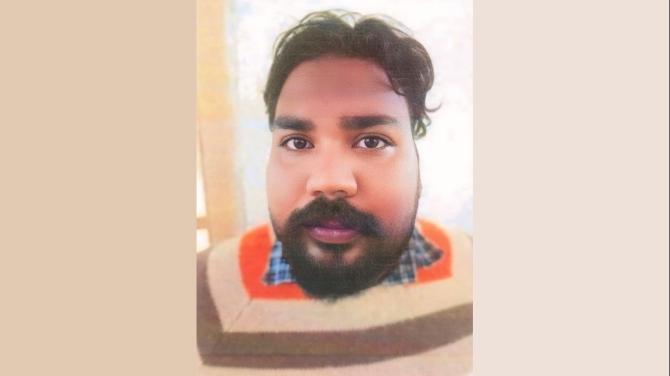
In a significant counter-terrorism operation, the Uttar Pradesh Special Task Force (STF) and Punjab Police arrested an active terrorist of Babbar Khalsa International (BKI) from Kaushambi district in the early hours of Thursday. The suspect, identified as Lajar Masih, is alleged to have direct links with Pakistan’s intelligence agency, the Inter-Services Intelligence (ISI). His arrest marks a major breakthrough in ongoing efforts to curb the activities of Khalistani terror networks operating with foreign support.
According to Additional Director General of Police (UP STF, Law and Order) Amitabh Yash, the arrest was made around 3:20 am in the Kokhraj police station area. Masih, a resident of Kurlian village in Amritsar’s Ramdas region, was reportedly working for Swarn Singh, also known as Jeevan Fauji, the leader of the Germany-based module of BKI. Intelligence reports suggest that Masih was in direct communication with ISI operatives in Pakistan, raising serious concerns about cross-border terror funding and operational guidance.
The operation led to the recovery of a cache of explosives and illegal arms. Authorities seized three active hand grenades, two detonators, a foreign-made pistol, and 13 foreign-manufactured cartridges. Additionally, a white-colored explosive powder, an Aadhaar card bearing a Ghaziabad address, and a mobile phone without a SIM card were found in his possession. The presence of such weaponry suggests that Masih might have been planning a major attack or was involved in supplying arms and explosives for terror-related activities in India.
Officials revealed that Masih had a history of criminal activity and had managed to escape from judicial custody in Punjab on September 24, 2024. His ability to evade capture for months raises questions about security lapses and highlights the need for enhanced vigilance against fugitive terrorists.
The arrest underscores the growing threat of international terror networks supporting Khalistani extremism. Indian security agencies have been closely monitoring the resurgence of pro-Khalistan outfits, many of which receive logistical and financial aid from foreign entities, particularly in Pakistan and parts of Europe. This case further strengthens the evidence of ISI’s involvement in fueling separatist activities within India.
With the suspect now in custody, intelligence agencies are expected to interrogate him to gather further insights into his network, potential accomplices, and future terror plans. The operation serves as a reminder of the persistent threat posed by radical elements and the importance of coordinated action between state and central security forces to dismantle such networks effectively.