The Karnataka government has decided to initiate a fresh survey to collect empirical data on Scheduled Castes (SC) and their sub-castes in the state. This move aims to address the long-standing demand for internal reservation, particularly from the Dalit Left communities, ensuring fair distribution of reservation benefits. The decision was taken during a recent cabinet meeting, following recommendations from the H.N. Nagamohan Das Commission. The survey, expected to be completed within two months, will help the government classify sub-castes more effectively and resolve ambiguities in nomenclature.
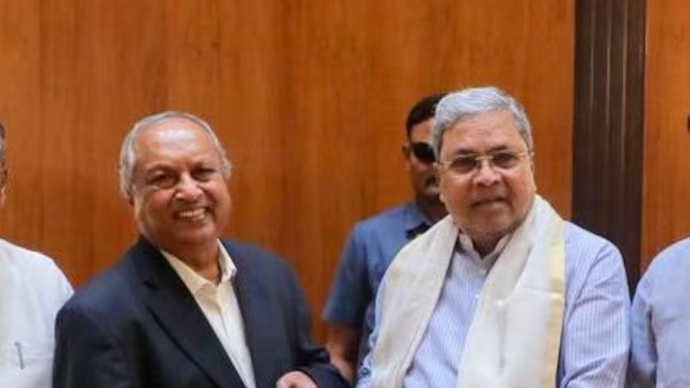
Law and Parliamentary Affairs Minister H.K. Patil confirmed that the cabinet had accepted the commission’s recommendations, which include conducting a fresh survey, utilizing modern technologies, preparing a structured questionnaire, and collecting data on SC sub-castes. The commission’s tenure has been extended to oversee the process and provide necessary guidance. Social Welfare Minister H.C. Mahadevappa stated that the government machinery, including teachers, will conduct the survey, with preparatory work taking about 15 days.
One of the key issues the survey aims to address is the confusion surrounding sub-caste nomenclature such as Adi Karnataka, Adi Dravida, and Adi Andhra, which were originally introduced to counter caste-based discrimination but have since led to ambiguity in classification. In Karnataka, SC communities are broadly categorized as ‘left-hand’ and ‘right-hand,’ with the former historically being the most marginalized. The Dalit Left faction has long argued that Dalit Right communities have disproportionately benefited from the existing 17% SC reservation in education and employment, necessitating a more equitable distribution of quotas.
The demand for internal reservation has been a contentious issue for nearly four decades. The matter gained legal backing after the Supreme Court ruled on August 1, 2024, that states have the authority to implement internal reservations among SCs. The Karnataka government now has the legal foundation to proceed with these reforms, ensuring that the most marginalized communities receive adequate representation.
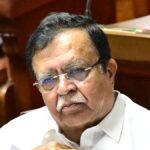
Justice H.N. Nagamohan Das, while submitting his interim report, expressed confidence in the government’s commitment to implementing internal reservation. He stated that empirical data will provide a clear perspective on the issue and urged people to be patient as the process unfolds. The commission’s report is expected to examine sub-group backwardness and may incorporate recommendations from the AJ Sadashiva Commission, which proposed a sub-matrix system within the SC quota.
In 2023, the previous BJP-led Basavaraj Bommai government announced an internal quota among 101 SC communities, increasing the overall SC reservation from 15% to 17%. However, the Congress, then in opposition, criticized the move as politically motivated. Now in power, the Congress government has reaffirmed its commitment to implementing internal reservation as per its election manifesto. Home Minister G. Parameshwara emphasized that the government would follow Supreme Court guidelines and ensure that empirical data supports the decision-making process.
Until the internal reservation is fully implemented, the government has put a hold on backlog positions, promotions, and new appointments. The upcoming survey is expected to provide crucial insights into caste representation and pave the way for more equitable policies in Karnataka.