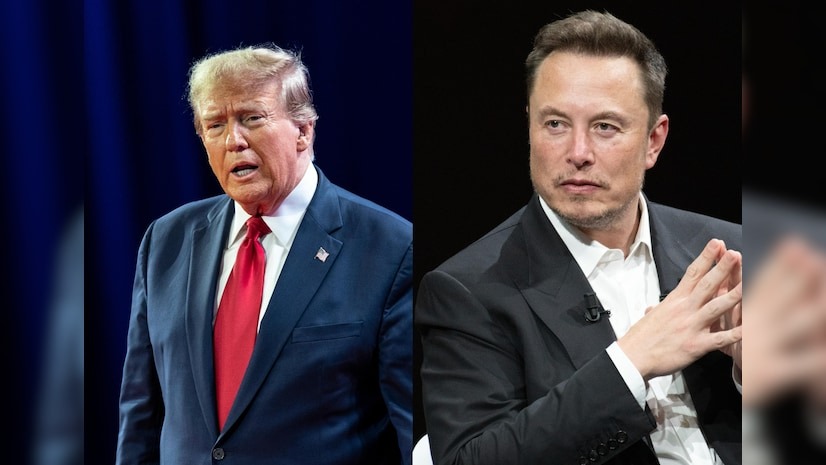
A federal judge in Massachusetts has temporarily blocked a controversial plan led by billionaire Elon Musk and former President Donald Trump aimed at significantly reducing the size of the United States government by offering mass buyouts to federal employees. The plan, executed through the newly formed Department of Government Efficiency, proposed that over two million government workers choose between resigning with eight months’ pay or risking termination in future job cuts. The initial deadline for employees to accept the offer was set for Thursday, but with the judge’s injunction, the deadline has been extended to Monday when a hearing will be held to review the case.
The White House, under the administration of Donald Trump, claims that over 40,000 employees have already accepted the offer, but unions representing nearly 800,000 civil servants, along with several Democratic lawmakers, have strongly opposed the initiative. Legal challenges have been filed questioning the legitimacy of the scheme, with concerns raised over the threats to dismiss civil servants en masse. Critics argue that this strategy is not just an effort to streamline the government but a deliberate attempt to weaken federal agencies.
The proposed job cuts have already had severe consequences on various government operations, with agencies like the United States Agency for International Development particularly affected. Reports suggest that the agency’s global workforce, which previously stood at over 10,000 employees, is expected to shrink to fewer than 300. This has led to disruptions in food distribution programs, as there are no personnel available to oversee the process. The Department of Education is also under threat, with Donald Trump repeatedly expressing his intent to shut it down. The buyout offer has even extended to employees at the Central Intelligence Agency, raising concerns about the future of national security operations.
The plan has also raised alarms regarding Elon Musk’s access to sensitive government data. Treasury Secretary Scott Bessent dismissed concerns, stating that only two Treasury employees were granted “read-only” access to classified financial data, but reports suggest that one of them resigned after being linked to extremist views. Additionally, government property management officials have suggested cutting at least 50 percent of the federal real estate portfolio, excluding Department of Defense buildings.
Elon Musk, defending the plan, described the buyout as a unique opportunity for employees to take an extended break while continuing to receive their salaries. However, labor unions warn that without congressional approval for using federally budgeted funds, these agreements could be legally invalid. Everett Kelley, president of the American Federation of Government Employees, warned workers against falling for what he described as manipulation by unelected billionaires. Internal reports suggest that the administration of Donald Trump is attempting to create panic among employees to force mass resignations, a claim that adds to growing concerns over the legitimacy and ethical implications of the buyout.
As the legal battle unfolds, the debate over the future of the federal workforce intensifies, with millions of jobs and crucial government services hanging in the balance