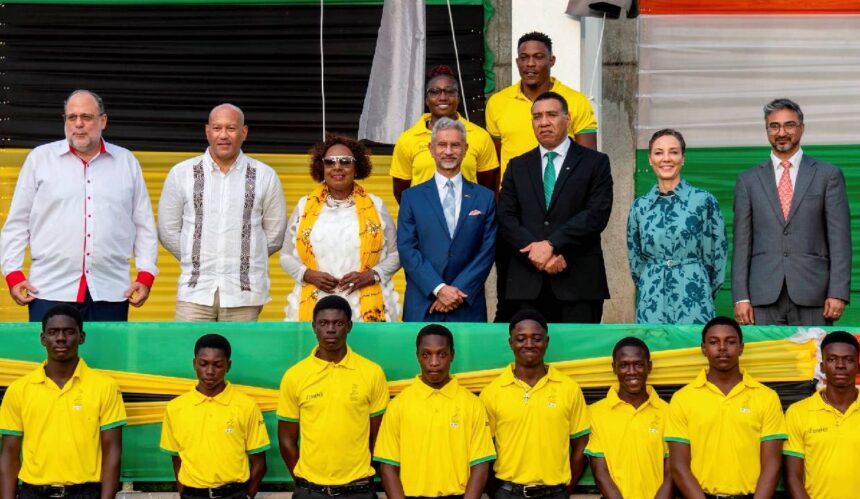
India’s External Affairs Minister embarks on a multi-nation Caribbean tour to boost diplomacy, trade, and diaspora engagement.
India has intensified its diplomatic outreach in the Caribbean as S. Jaishankar begins an official visit to Jamaica, Suriname, and Trinidad and Tobago. The visit, scheduled to continue until May 10, is being seen as a strategic step to deepen India’s engagement with the region and strengthen long-standing historical and cultural ties.
This multi-country visit reflects India’s broader foreign policy focus on strengthening partnerships across the Global South while reinforcing connections with nations that share deep-rooted links through the Indian diaspora.
Strengthening Historical and Cultural Bonds
One of the defining aspects of India’s relationship with these Caribbean nations is the presence of Girmitiya communities—descendants of Indian indentured labourers who migrated during the colonial era.
These communities have preserved cultural traditions, languages, and values over generations, creating a unique and enduring connection between India and these countries.
During his visit, S. Jaishankar is expected to engage with members of the Indian diaspora, recognising their role as cultural ambassadors and contributors to bilateral relations.
High-Level Diplomatic Engagements
The visit will include meetings with top leadership in all three countries. These discussions are expected to cover a wide range of issues, including political cooperation, economic partnerships, and regional challenges.
India’s External Affairs Ministry has indicated that the talks will address the full spectrum of bilateral relations, along with global developments and shared priorities.
Such engagements are crucial in maintaining momentum in diplomatic ties and ensuring continued collaboration on key issues.
Expanding Economic and Trade Cooperation
Economic cooperation is expected to be a major focus during the visit. India has been actively exploring opportunities to enhance trade and investment with Caribbean nations.
Sectors such as energy, infrastructure, agriculture, and digital technology offer significant potential for collaboration.
By strengthening economic ties, India aims to create mutually beneficial partnerships that support growth and development in both regions.
Promoting South-South Cooperation
The visit underscores India’s commitment to South-South cooperation—a framework that emphasises collaboration among developing countries.
Through partnerships with nations like Jamaica, Suriname, and Trinidad and Tobago, India seeks to promote shared development goals, capacity building, and knowledge exchange.
This approach aligns with India’s broader vision of inclusive and sustainable global development.
Engagement with Business Leaders
In addition to political meetings, S. Jaishankar is expected to interact with business leaders and industry representatives.
These engagements aim to identify new avenues for investment and strengthen commercial ties between India and the Caribbean region.
Such interactions play a key role in translating diplomatic goodwill into tangible economic outcomes.
Strategic Importance of the Visit
The Caribbean region holds strategic importance for India, not only due to historical connections but also because of its role in global forums.
Strengthening ties with these nations can enhance India’s diplomatic presence and influence in international platforms.
The visit also reflects India’s proactive approach to engaging with smaller nations and building diversified partnerships.
Enhancing People-to-People Connections
People-to-people ties remain a cornerstone of India’s relationship with Caribbean countries. Cultural exchanges, educational collaborations, and tourism have contributed to closer connections between societies.
By engaging with diaspora communities and local populations, India continues to reinforce these bonds.
Such interactions help build mutual understanding and strengthen the foundation of bilateral relations.
A Broader Diplomatic Vision
The visit is part of India’s broader diplomatic strategy to expand its global footprint and strengthen partnerships across different regions.
By engaging with Caribbean nations, India is reaffirming its commitment to building inclusive and cooperative international relationships.
This approach reflects a balanced foreign policy that prioritises both traditional partners and emerging alliances.
Conclusion
The official visit of S. Jaishankar to Jamaica, Suriname, and Trinidad and Tobago marks an important step in strengthening India’s ties with the Caribbean region.
With a focus on diplomacy, economic cooperation, and cultural connections, the visit is expected to enhance bilateral relations and create new opportunities for collaboration.
As India continues to engage with partners across the Global South, such initiatives highlight its commitment to building strong, inclusive, and forward-looking international partnerships.