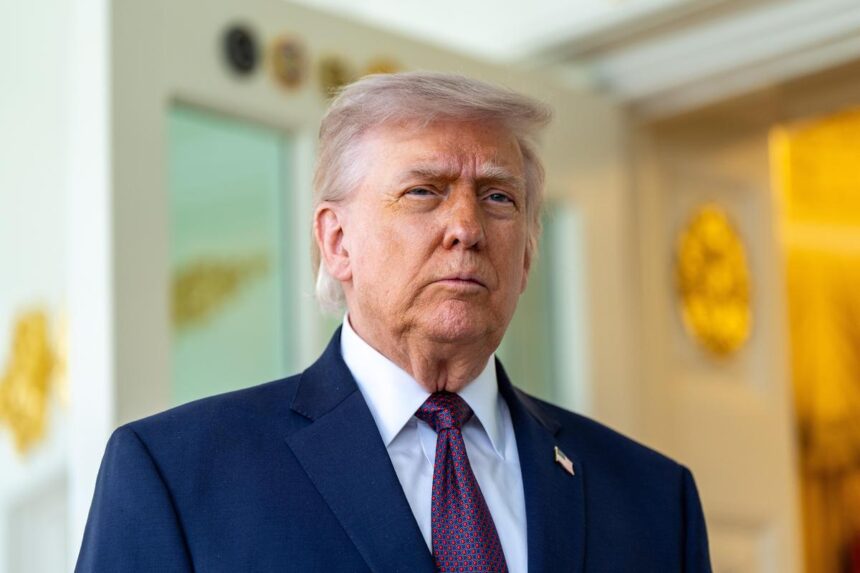
The announcement signals a major but fragile pause in the ongoing Israel–Lebanon conflict, with Washington playing a central mediating role. The truce is expected to begin within roughly six hours of Trump’s statement, as both countries move toward a temporary halt in fighting aimed at opening space for broader peace negotiations. The development comes amid months of escalating violence involving Israel and Hezbollah in southern Lebanon, which has caused large-scale casualties and displacement.
US-Brokered Temporary Truce Announced
According to Trump, the agreement was reached after “excellent conversations” with Israeli Prime Minister Benjamin Netanyahu and Lebanese President Joseph Aoun. The ceasefire is structured as a 10-day pause in fighting and is intended to reduce immediate military escalation while diplomatic channels remain active.
The U.S. administration has positioned the truce as part of a wider effort to stabilize the Middle East conflict environment, with senior American officials coordinating follow-up discussions. Reports indicate that the ceasefire includes commitments from Lebanon to restrict attacks originating from Hezbollah-controlled areas, while Israel is expected to halt offensive military operations during the agreed period.
Trump also stated that he plans to facilitate further direct engagement between Israeli and Lebanese leadership, including potential high-level meetings in Washington aimed at building a longer-term peace framework.
Conflict Background and Regional Impact
The Israel–Lebanon conflict has intensified in recent weeks, largely driven by cross-border attacks and Israeli military strikes targeting Hezbollah positions. The violence has resulted in significant civilian displacement in Lebanon and heightened security concerns in northern Israel.
The ceasefire is being viewed as an attempt to prevent further escalation and create conditions for structured negotiations. However, analysts caution that the agreement remains fragile, given the involvement of non-state actors like Hezbollah and unresolved issues over border security and military presence in southern Lebanon.
Despite the announcement, both sides have maintained firm positions on key security concerns, suggesting that the temporary pause may face challenges in implementation and enforcement.
Uncertain Path Toward Long-Term Peace
While the 10-day truce offers a temporary reduction in hostilities, it does not represent a comprehensive peace agreement. Diplomatic sources suggest that follow-up negotiations will focus on border demarcation, security arrangements, and the role of armed groups operating in Lebanon.
The United States is expected to continue its mediation efforts, with additional talks planned between regional stakeholders. However, the success of the ceasefire will depend on compliance from all parties and the ability to prevent isolated violations from escalating into renewed conflict.
The announcement has triggered cautious optimism internationally, but the situation on the ground remains highly sensitive, with security analysts warning that any breach could quickly reverse the fragile calm.