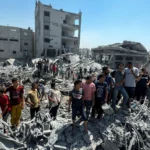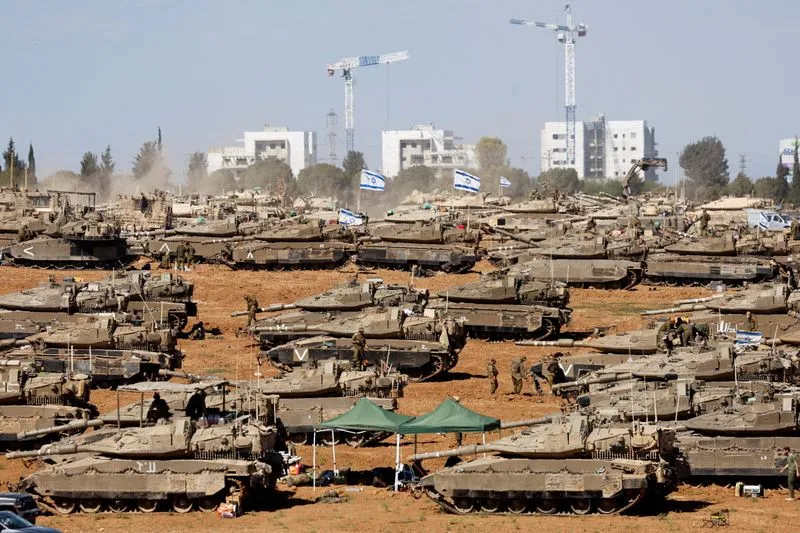
Israel’s security cabinet has approved a phased expansion of ground operations in Gaza, aiming to take full control of the enclave and maintain territorial hold until Hamas is either dismantled or agrees to disarm and withdraw. The move comes at a time of heightened international scrutiny, dwindling humanitarian access, and a looming visit by U.S. President Donald Trump to the region.
Gradual campaign with strategic objectives
The new military strategy, according to Israeli officials and local media, will unfold over several months, beginning with targeted operations in specific regions of Gaza. Unlike previous tactics that involved short raids followed by withdrawals, this new approach will see the Israeli Defence Forces (IDF) holding onto captured territory. Security Cabinet Minister Zeev Elkin hinted that the timing could still allow room for diplomatic breakthroughs before President Trump arrives. “There is still a window of opportunity… if Hamas understands we are serious,” he stated.
Currently, Israel controls approximately one-third of Gaza. Since resuming operations in March—after a U.S.-brokered ceasefire collapsed—Israel has imposed a complete blockade, preventing any aid from entering the enclave. The intensified campaign aims to further displace the civilian population to the southern areas and restrict aid from falling into Hamas’s control.
Mounting humanitarian concerns and resistance to aid plan
Israel’s newly endorsed plan includes channeling humanitarian supplies through military-managed hubs—a proposal firmly rejected by the United Nations. Jan Egeland of the Norwegian Refugee Council criticized the plan, stating that it undermines independent humanitarian principles and forces aid agencies to operate under Israeli military oversight. “They want to militarize aid delivery… NRC will not take part in this scheme,” Egeland said.
Meanwhile, IDF Chief of Staff Lt. Gen. Eyal Zamir announced large-scale call-ups for reserve troops, signaling the start of an intensified campaign. However, he also warned that aid must be allowed into Gaza to avert a complete humanitarian breakdown.
The conflict, sparked by the Hamas attack on Israel on October 7, 2023, which killed 1,200 people and led to 251 hostages, has since claimed over 52,000 Palestinian lives, according to Gaza’s health authorities. With up to 24 of the 59 remaining hostages believed to be alive, families continue to press for a ceasefire that could facilitate their return. Public opinion in Israel increasingly favors negotiations, as fears of an indefinite guerrilla war grow and clear post-war plans remain elusive.