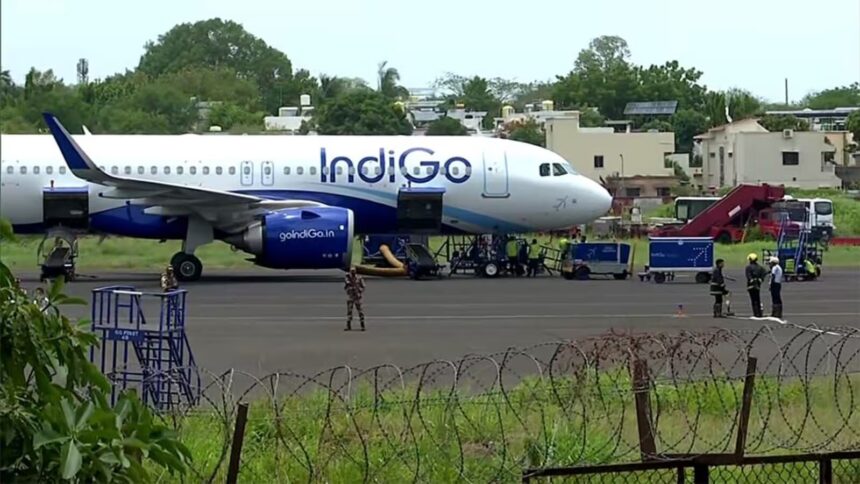
Mumbai, India’s bustling financial capital, is once again grappling with the fury of monsoon rains, as incessant downpours have thrown life out of gear. In response to the severe weather conditions, two of India’s major airlines—IndiGo and Akasa Air—have issued urgent travel advisories for passengers. The advisories warn of potential delays, cancellations, and traffic disruptions due to widespread waterlogging and congestion on key airport routes. With the India Meteorological Department (IMD) sounding a red alert across several parts of Mumbai, the situation has forced both airlines to urge travelers to plan ahead, monitor flight statuses closely, and allow extra time to reach airports. The crisis highlights not just the unpredictable intensity of Mumbai’s monsoons but also the cascading impact on the city’s fragile transport and aviation infrastructure.
Heavy Rains Paralyze Mumbai and Trigger Widespread Travel Disruptions
Over the past few days, Mumbai has witnessed heavy rainfall, causing significant waterlogging across multiple areas. Commuters navigating through flooded roads and clogged highways have faced extreme difficulties, with the city’s arterial routes brought to a virtual standstill. The Western Expressway, a crucial lifeline connecting suburban areas with the Mumbai airport, has reported major traffic snarls near Vile Parle, further complicating travel plans for fliers. Similarly, key areas such as Gandhi Market, Kings Circle, the SCLR Bridge, and the Malad Subway were submerged in water, creating obstacles not only for road transport but also indirectly impacting aviation services.
According to reports, the IMD issued a red alert warning for extremely heavy rainfall, with some locations in Mumbai recording over 200 mm of rain in just a few hours. The intensity of the showers, coupled with the city’s chronic drainage woes, has resulted in knee-deep to waist-deep waterlogging in several neighborhoods. Public transport has been severely hampered, with buses delayed or rerouted, while local trains—the lifeline of Mumbai—have also experienced delays.
The impact on the aviation sector has been equally severe. Officials reported at least 15 flight go-arounds and two diversions as aircraft struggled to land amid reduced visibility and wet runways. The combination of delayed flights and congested airport access has left passengers anxious and stranded. Airlines, already operating under the stress of peak monsoon conditions, have been forced to issue frequent advisories on their social media handles to manage customer expectations and minimize chaos at the airports.
IndiGo, India’s largest carrier, in its advisory acknowledged the ongoing waterlogging and specifically mentioned that crucial airport routes had been affected. Passengers were urged to check real-time updates on the airline’s mobile app and website before leaving for the airport. “If you are travelling to the airport, we encourage you to plan ahead and check your flight status on our app and website before stepping out,” IndiGo stated in its advisory. The airline also assured that its teams were actively working to support customers and manage disruptions as effectively as possible.
Akasa Air, India’s newest entrant into the aviation sector, echoed similar concerns. The airline warned that not only Mumbai but also Bengaluru, Goa, and Pune could experience delays due to weather-related congestion. In its advisory, Akasa Air stated, “To ensure a seamless travel experience, we request you to plan for additional travel time to reach the airport well in time for your flight. Please check your flight status.” By highlighting other cities such as Bengaluru and Goa, Akasa underscored the possibility of ripple effects, as weather conditions often disrupt the larger interconnected aviation network.
This is not the first time Mumbai’s aviation sector has been thrown into disarray by torrential rains. The monsoon season regularly challenges airport operations, with low visibility, slippery runways, and traffic snarls outside the airport contributing to chaos. However, the scale of the disruptions this season—coupled with IMD’s red alert warnings—indicates that passengers will need to brace for continued uncertainty in the days ahead.
Broader Implications of Weather-Related Disruptions and the Need for Passenger Preparedness
The latest travel advisories from IndiGo and Akasa Air also point toward a larger trend—climate-induced disruptions are becoming increasingly common, and both airlines and passengers must adapt. For Mumbai, a city notorious for flooding every monsoon, the vulnerability of its infrastructure is laid bare year after year. While authorities have invested in stormwater drains and disaster management systems, the city continues to struggle when faced with back-to-back days of torrential rainfall. This has a cascading effect on its airports, which serve as critical hubs for both domestic and international travelers.
Experts point out that waterlogging on airport access roads poses as much of a threat to timely flight operations as adverse conditions at the airport itself. Delays in reaching the airport cause missed check-ins, congestion at terminals, and a domino effect of rescheduling. When airlines issue advisories urging passengers to leave early or plan ahead, it is not merely a precaution but a necessary step to manage the logistical nightmare posed by monsoons.
Moreover, in a city like Mumbai, where millions rely on public transportation to reach the airport, heavy rains disproportionately affect ordinary travelers. The suburban railway network, despite being robust, is prone to disruptions when tracks are flooded. Bus services, too, slow down or halt in waterlogged areas. The dependence on road networks for last-mile connectivity to the airport compounds the risk of delays.
From an aviation industry perspective, airlines are increasingly deploying digital tools to keep passengers updated. Notifications via mobile apps, SMS alerts, and frequent social media updates have become critical in bridging the communication gap between airlines and fliers. Both IndiGo and Akasa emphasized the use of their online platforms, highlighting the shift toward tech-driven passenger management during crises. However, this also assumes that passengers have the means and awareness to check these updates regularly, which may not always be the case.
The disruptions also underline the economic implications of extreme weather events. Mumbai is not just India’s busiest city but also its busiest aviation hub. Flight delays and cancellations during peak monsoon can ripple across the aviation network, causing missed connections and logistical nightmares for both domestic and international travelers. Business travelers face missed meetings, while leisure travelers risk losing bookings or tour schedules. The cost to airlines, in terms of rescheduling, fuel, and customer management, is equally significant.
The IMD has cautioned that heavy rainfall will likely continue across Maharashtra until August 21, with red alerts remaining in place for Mumbai, Thane, Raigad, and Palghar. Such prolonged spells increase the probability of continued disruptions, keeping passengers and airlines on edge. Authorities have urged residents to remain indoors unless absolutely necessary and to avoid venturing into waterlogged areas.
Visual evidence from across the city has further underscored the crisis. Videos and images of submerged cars, stalled buses, and pedestrians wading through waist-deep water have flooded social media platforms. For passengers trying to get to or from the airport, these scenes paint a grim picture of the challenges at hand. While airlines like IndiGo and Akasa can issue advisories and adjust schedules, the larger issue of Mumbai’s monsoon resilience remains unresolved.
For passengers, the advisories serve as both a warning and a guideline. Leaving hours in advance for the airport, keeping track of real-time flight status, and being prepared for sudden changes in schedules are now part of the monsoon travel checklist. For those connecting through Mumbai from international flights, the disruptions also highlight the importance of flexible bookings and travel insurance.
Ultimately, while airlines can mitigate the impact of weather disruptions through advisories and customer support, the systemic solution lies in strengthening Mumbai’s urban infrastructure. Unless the city finds long-term answers to its waterlogging crisis, advisories like those from IndiGo and Akasa will continue to dominate the monsoon travel narrative, year after year.