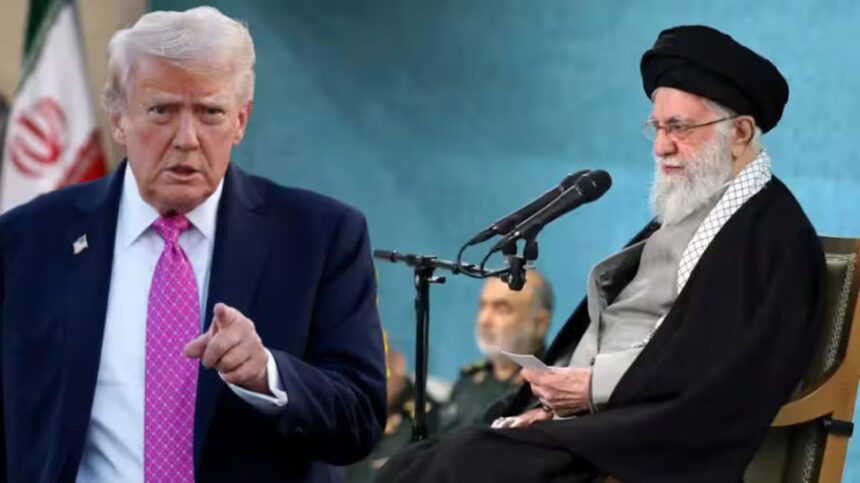
The renewed diplomatic engagement between Iran and the United States over Tehran’s nuclear programme has entered a cautious but potentially consequential phase, as senior Iranian officials signal openness to compromise while firmly defending core national red lines.
Iran has indicated that it is prepared to consider meaningful compromises to revive a nuclear agreement with the United States, provided Washington shows seriousness in addressing Tehran’s long-standing demand for sanctions relief. The signal comes amid renewed indirect talks between the two sides, raising cautious hopes of de-escalation after years of hostility, stalled diplomacy, and mounting regional and global concern over Iran’s nuclear advances. While both sides remain wary and deeply mistrustful of each other’s intentions, the resumption of dialogue suggests a shared recognition that continued stalemate carries significant strategic risks.
Iranian officials have emphasised that their readiness for compromise should not be mistaken for capitulation. Instead, they portray the current talks as an effort to restore balance to an agreement that collapsed amid political shifts and mutual recriminations. Tehran maintains that its nuclear programme is peaceful and insists that any durable deal must recognise Iran’s right to civilian nuclear technology while delivering tangible economic relief. Against this backdrop, the latest statements by Iran’s deputy foreign minister reflect both pragmatism and an attempt to shape expectations ahead of the next round of negotiations.
Sanctions relief, nuclear limits, and Iran’s negotiating red lines
Iran’s position in the renewed talks is rooted in a familiar but carefully calibrated framework. Tehran has reiterated its willingness to discuss limitations on its nuclear activities in exchange for the lifting of sanctions that have severely constrained its economy. Iranian officials argue that sanctions relief is not a peripheral demand but the central purpose of any agreement, as the original nuclear deal was designed to trade nuclear restraint for economic normalisation.
According to Iranian negotiators, early discussions have taken place in a relatively constructive atmosphere, though they caution that it is too soon to draw firm conclusions. The initial exchanges are described as exploratory, aimed at clarifying positions and testing whether there is sufficient political will on both sides to move beyond entrenched narratives. Iranian diplomats stress that while the tone has been cautiously positive, substantial gaps remain on key issues, particularly the sequencing and scope of sanctions relief.
A core element of Iran’s stance is its refusal to link the nuclear file to other contentious issues, such as its missile programme or regional policies. Tehran has consistently argued that attempts to broaden the agenda would derail talks and undermine the prospects of reaching an agreement. From Iran’s perspective, the nuclear negotiations are about rectifying a specific imbalance created when sanctions were reimposed despite Iranian compliance under the earlier agreement. Any effort to introduce additional demands is viewed as a departure from the original framework and a violation of negotiated understandings.
Iranian officials have sought to underscore their flexibility by pointing to specific technical concessions they might consider. Among these is the possibility of diluting or otherwise limiting its stockpile of highly enriched uranium, a step that could address international concerns about Iran’s nuclear breakout potential. Such measures, however, are explicitly tied to the lifting of all major financial and economic sanctions, which Tehran argues are incompatible with good-faith negotiations if left in place.
At the same time, Iran has drawn a firm line on what it considers non-negotiable. Chief among these is the right to uranium enrichment on its own soil. Iranian leaders view domestic enrichment as a symbol of sovereignty and technological independence, and they have repeatedly rejected demands for zero enrichment. This issue has been one of the most persistent obstacles to a deal, with Washington and some of its allies arguing that enrichment capabilities could provide a pathway to nuclear weapons, even if Tehran insists otherwise.
Iran continues to deny any intention to develop nuclear weapons, maintaining that its programme is strictly for civilian purposes such as energy production and medical research. Iranian officials frame their position as consistent with international law and their commitments under existing non-proliferation frameworks. In their view, accepting zero enrichment would not only undermine national dignity but also set a precedent that could constrain Iran’s scientific and industrial development indefinitely.
Renewed diplomacy, historical mistrust, and the path ahead
The resumption of nuclear talks takes place against a backdrop of deep mistrust shaped by past diplomatic failures. The collapse of the 2015 nuclear agreement remains a defining reference point for Iranian policymakers, who argue that their compliance was met with unilateral withdrawal and renewed sanctions. This experience has left Tehran sceptical of American assurances and determined to secure guarantees that any new arrangement will be durable and credible.
Iranian officials have repeatedly stressed that trust cannot be rebuilt through rhetoric alone. From Tehran’s perspective, concrete actions, particularly in the form of sanctions relief, are essential to demonstrate seriousness. Without such steps, Iranian negotiators argue, there is little incentive to make concessions that could be politically costly at home. The domestic dimension of the talks is significant, as Iran’s leadership must balance diplomatic engagement with public scepticism fueled by years of economic hardship and perceived betrayal.
The current diplomatic process involves indirect engagement, with intermediaries facilitating communication between Iranian and American delegations. This format reflects both practical constraints and political sensitivities, allowing dialogue to proceed without the symbolism of direct talks that might provoke backlash on either side. Iranian officials have described the mediation as professional and constructive, though they acknowledge that the complexity of the issues will require sustained effort and patience.
For Washington, the renewed talks come amid broader strategic considerations, including regional stability, non-proliferation goals, and domestic political pressures. Any agreement with Iran is likely to face scrutiny from critics who question Tehran’s intentions and warn against concessions that could embolden Iran’s regional influence. Iranian negotiators are acutely aware of these dynamics and appear intent on framing their proposals in ways that emphasise mutual benefit rather than unilateral gain.
The historical legacy of the previous nuclear deal looms large over the current discussions. That agreement was widely seen as a landmark in diplomatic engagement, easing tensions and opening channels of communication after decades of hostility. Its unraveling, however, reinforced hardline narratives in Iran that the United States cannot be relied upon to honour its commitments. This experience has shaped Tehran’s insistence on clear, verifiable, and front-loaded sanctions relief in any new arrangement.
Despite these challenges, Iranian officials have signalled that they do not view diplomacy as futile. On the contrary, they argue that the alternative to engagement is a continued cycle of escalation that benefits neither side. The accumulation of enriched uranium, the tightening of sanctions, and the risk of miscalculation all point to the costs of inaction. From this perspective, compromise is framed not as weakness but as a pragmatic response to a dangerous status quo.
As the next round of talks approaches, expectations remain deliberately restrained. Iranian diplomats emphasise that progress will depend on whether the United States is prepared to move beyond maximalist positions and engage with Iran’s core concerns. They caution that premature optimism could be counterproductive, given the history of setbacks and reversals. At the same time, the very fact that talks are continuing suggests a shared recognition that diplomacy, however fraught, remains preferable to confrontation.
The coming weeks are likely to test the resilience of this renewed diplomatic effort. Technical details, political constraints, and mutual suspicions will all play a role in shaping outcomes. For Iran, the central question remains whether engagement will translate into real economic relief and recognition of its nuclear rights. For the United States, the challenge lies in addressing proliferation concerns while navigating domestic and international pressures.
In this delicate environment, the signals sent by Iranian officials are carefully calibrated to convey openness without overcommitment. By highlighting flexibility on technical issues while reaffirming red lines, Tehran appears intent on shaping a negotiating space that allows for compromise without sacrificing core principles. Whether this approach can bridge the gap with Washington remains uncertain, but it underscores that the nuclear issue, long a symbol of confrontation, is once again at the centre of cautious diplomatic exploration.