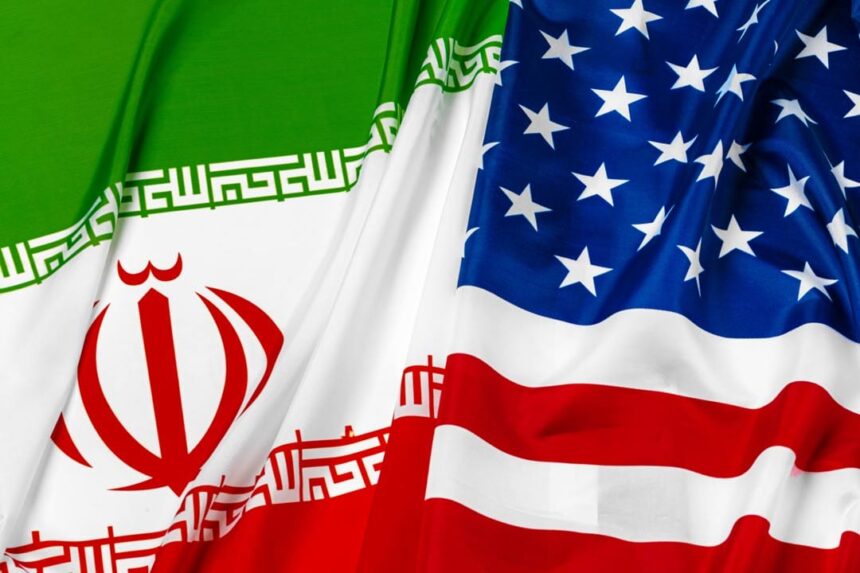
Tensions between Iran and the United States have intensified once again after reports emerged that Washington considers Tehran’s latest proposal regarding nuclear negotiations insufficient for a meaningful agreement. The growing disagreement has raised fears of renewed military escalation in the Middle East at a time when diplomatic efforts appear increasingly fragile.
According to reports, Iran recently submitted a revised fourteen point proposal to the United States through Pakistani mediators in an attempt to restart indirect negotiations and reduce the possibility of further conflict. However, senior officials in Washington reportedly believe that the revised offer does not provide enough concrete commitments to address concerns surrounding Iran’s nuclear programme.
The latest development comes during a period of heightened geopolitical instability in the Middle East where regional conflicts, sanctions pressure and military tensions continue influencing global diplomacy and energy markets. Analysts believe the current standoff between Tehran and Washington could significantly impact regional security if negotiations collapse completely.
The revised Iranian proposal reportedly focused on confidence building measures and broad assurances regarding Tehran’s nuclear intentions. Iranian officials are said to have expanded language affirming that the country does not seek to develop nuclear weapons. However, according to reports from sources familiar with the discussions, the proposal lacks detailed commitments regarding uranium enrichment suspension or the transfer of existing enriched uranium stockpiles.
These omissions remain major concerns for Washington and its allies because Western governments have consistently argued that Iran must take verifiable steps limiting its nuclear capabilities before sanctions relief can be considered.
A senior United States official reportedly stated that sanctions relief would not be provided without reciprocal action from Tehran. The statement came after speculation in some regional media outlets suggested that Washington might ease oil related sanctions as part of confidence building negotiations.
Officials in Washington appear unconvinced that the revised proposal represents a substantial shift in Iran’s position. According to reports, the White House believes the new draft contains mostly symbolic adjustments rather than operational commitments capable of supporting a comprehensive agreement.
The indirect negotiations are reportedly being facilitated through Pakistani intermediaries because formal direct talks between the United States and Iran remain politically sensitive and diplomatically difficult. Pakistan’s involvement highlights growing regional efforts to prevent the conflict from escalating into a broader military confrontation.
Sources familiar with the discussions reportedly warned that both sides continue changing their negotiating positions, making progress increasingly difficult. Diplomatic observers believe the limited time available for compromise has increased pressure on both governments to decide whether negotiations remain viable.
The language reportedly used by senior American officials has further intensified international concern. One official warned that unless meaningful discussions on Iran’s nuclear programme begin soon, the dispute could move from diplomatic channels toward military confrontation.
The official reportedly said that if negotiations fail to become more detailed and constructive, future communication could occur “through bombs” rather than dialogue. Such remarks indicate that military options are once again being actively discussed within sections of the United States administration.
The possibility of military escalation has become a major focus of international attention because any direct conflict involving Iran could destabilize the broader Middle East region and disrupt global energy supplies. Oil markets remain highly sensitive to developments involving Iran because of the country’s strategic location and energy resources.
Iran’s nuclear programme has remained one of the most contentious issues in global diplomacy for more than two decades. Western governments and regional rivals have repeatedly accused Tehran of pursuing capabilities that could eventually support nuclear weapons development. Iran has consistently denied such allegations and insists its nuclear activities are intended for civilian energy and scientific purposes.
The collapse of previous international nuclear agreements significantly worsened tensions between Iran and the United States. Following renewed sanctions and diplomatic breakdowns, both sides have struggled to rebuild trust despite periodic attempts at indirect engagement.
Economic sanctions imposed on Iran have severely affected the country’s economy over recent years. Restrictions targeting oil exports, banking systems and international trade have increased inflation, weakened the national currency and reduced economic growth. Tehran has therefore continued seeking sanctions relief as part of any future agreement.
At the same time, Washington maintains that sanctions remain one of the few effective tools available to pressure Iran into accepting stronger nuclear restrictions and international monitoring mechanisms.
The latest diplomatic deadlock comes amid broader instability across the Middle East. Regional conflicts, security alliances and shifting geopolitical partnerships have complicated efforts to achieve sustainable peace. Analysts note that tensions involving Iran often influence multiple conflict zones simultaneously because of Tehran’s regional influence and strategic alliances.
Reports indicating that United States President Donald Trump may discuss military options with senior national security officials have further increased concerns regarding possible escalation. According to reports, a meeting involving top defense and intelligence advisers could examine contingency plans if diplomatic efforts continue failing.
Military analysts warn that any direct confrontation between the United States and Iran would carry significant risks. Iran possesses substantial missile capabilities, regional proxy networks and strategic influence capable of affecting shipping routes, energy infrastructure and regional stability.
One major concern involves the Strait of Hormuz, one of the world’s most critical maritime oil transportation routes. Any conflict affecting the region could disrupt global oil supplies and trigger sharp increases in international energy prices.
Global powers including European countries, China and Russia continue monitoring developments closely because instability involving Iran has broad economic and geopolitical implications. Many governments still support diplomatic negotiations as the preferred path toward reducing tensions.
Observers note that despite the harsh rhetoric, both Tehran and Washington may still prefer avoiding direct military conflict because of the potentially enormous financial, political and humanitarian consequences.
However, the increasingly confrontational language used by officials on both sides indicates that trust remains extremely limited. Diplomatic experts believe successful negotiations would require detailed technical agreements, international monitoring systems and phased reciprocal concessions.
The issue of uranium enrichment remains central to the dispute. Western governments seek strict limitations on Iran’s ability to enrich uranium beyond civilian energy requirements, while Tehran argues that nuclear technology development represents a sovereign national right.
Another major challenge involves verification mechanisms. Previous agreements relied heavily on international inspections conducted by nuclear monitoring agencies. Any future arrangement would likely require even stronger transparency measures to satisfy international concerns.
Domestic political pressures also complicate negotiations. Leaders in both countries face internal political audiences that may oppose concessions perceived as weakness. Hardline groups within Iran and the United States have historically criticized diplomatic compromises regarding the nuclear issue.
The involvement of Pakistani intermediaries highlights the growing diplomatic importance of regional actors attempting to reduce tensions before the situation becomes uncontrollable. Countries across the Middle East and South Asia recognize that a major conflict involving Iran would create widespread regional consequences.
International financial markets have also reacted cautiously to reports regarding possible military discussions. Investors typically view escalating Middle East tensions as a major risk factor affecting oil prices, shipping routes and broader economic stability.
Despite the current pessimism surrounding negotiations, some analysts believe the revised Iranian proposal still signals Tehran’s willingness to keep diplomatic channels open rather than completely abandoning discussions. The fact that indirect communication continues suggests neither side has entirely closed the door to future agreements.
Nevertheless, time appears increasingly limited. Officials involved in the process reportedly acknowledge that prolonged deadlock could eventually make diplomacy politically impossible, especially if military incidents or regional provocations occur.
The coming weeks may therefore prove critical in determining whether the crisis moves toward renewed negotiations or deeper confrontation. Decisions taken by political leaders in Washington and Tehran could shape not only bilateral relations but also the future security environment of the broader Middle East region.
As international concern grows, global attention now remains focused on whether diplomacy can still prevent another dangerous escalation involving one of the world’s most sensitive geopolitical rivalries. The outcome of these negotiations may ultimately influence global energy security, regional alliances and international stability for years to come.