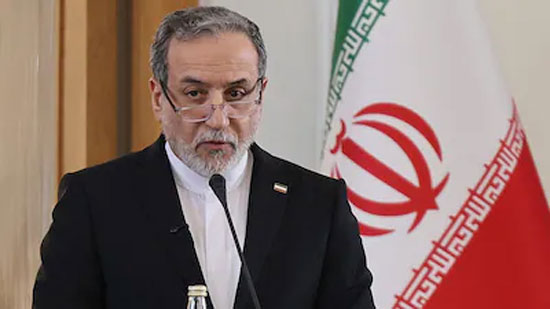
Iran’s Foreign Minister Seyed Abbas Araghchi has criticised the United States for what he described as a contradictory policy on Russian crude oil, claiming that Washington is now encouraging countries—including India—to buy Russian oil after previously pressuring them to stop such imports. The remarks come amid escalating tensions in West Asia and rising volatility in global energy markets triggered by the ongoing conflict involving Iran, the United States and Israel.
In a statement posted on social media platform X, Araghchi accused the US of changing its stance after months of urging India and other countries to reduce or end purchases of Russian oil following the war in Ukraine. He said the US had spent months “bullying” India to stop importing Russian crude but is now asking countries to buy it in order to stabilise global energy supplies.
Araghchi wrote that after two weeks of war with Iran, the White House is “begging the world—including India—to buy Russian crude,” describing the policy shift as evidence of inconsistency in Washington’s approach to global energy diplomacy.
The Iranian minister also criticised European countries for supporting military action against Iran, saying some European governments believed backing the conflict would secure American support in their geopolitical competition with Russia. He described the situation as hypocritical and labelled the current stance of the US administration toward Russian oil purchases as “pathetic.”
US Waiver Allowing India to Buy Russian Oil
The remarks from Iran come shortly after the United States granted a temporary 30-day waiver allowing India to purchase Russian oil shipments that were already at sea. The waiver was introduced to address supply disruptions caused by escalating tensions in West Asia and to help stabilise global oil markets.
Under earlier sanctions linked to the Ukraine conflict, the US and its allies had sought to limit Russia’s energy revenue by discouraging countries from purchasing Russian crude. India had faced pressure from Washington and other Western governments to reduce such imports.
However, the outbreak of conflict involving Iran and disruptions to energy routes in the Gulf region created concerns about global oil supply shortages. In response, US authorities allowed Indian refiners to receive Russian oil cargoes that were already en route, describing the move as a temporary measure to maintain energy stability.
Energy officials in Washington indicated that the waiver was designed primarily to prevent sharp increases in global oil prices and ensure that critical supplies continue to reach major importing countries such as India. They also emphasised that the exemption applies only to specific shipments and is not a permanent change in US sanctions policy.
The decision has sparked debate internationally, with some political leaders and analysts arguing that easing restrictions on Russian oil could indirectly benefit Moscow financially despite ongoing sanctions.
Rising Energy Tensions Amid the West Asia Conflict
The broader geopolitical context for these remarks is the escalating conflict in West Asia, which has significantly affected global energy markets. The crisis began after the United States and Israel launched strikes on Iran following tensions over Tehran’s nuclear programme, prompting retaliatory actions that expanded the conflict across the Gulf region.
One of the key concerns arising from the conflict is the potential disruption of oil transportation through the Strait of Hormuz, a strategic shipping route that carries roughly one-fifth of the world’s oil and gas supplies. Any interruption to shipping through this route can quickly affect global energy prices and supply chains.
The war has already caused sharp fluctuations in oil prices, with benchmark crude prices rising significantly as markets react to fears of supply shortages. As a result, governments and energy companies have been exploring alternative sources of crude oil to maintain stable supply.
India, which imports a large share of its energy requirements, has been particularly affected by these developments. The country traditionally relies heavily on crude oil from the Middle East, much of which travels through the Strait of Hormuz.
Due to the uncertainty created by the conflict, Indian refiners have increased purchases of Russian crude in recent weeks. Analysts say this strategy allows India to diversify supply sources while ensuring sufficient fuel availability for domestic consumption.
Araghchi’s comments highlight how geopolitical tensions, energy markets and international diplomacy have become closely intertwined during the ongoing crisis. As countries attempt to secure stable energy supplies, decisions about oil imports and sanctions have become central issues in the evolving global political landscape.