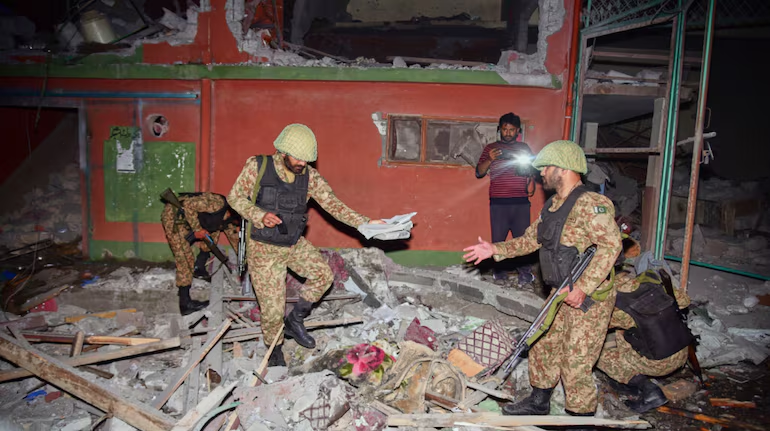
Following the devastating Pahalgam terror attack, India launched a precise retaliation named ‘Operation Sindoor’, targeting nine terror camps in Pakistan and Pakistan-Occupied Kashmir (PoK). The operation, approved by Prime Minister Narendra Modi, symbolically honored the victims of the attack, particularly focusing on the emotional significance of the name ‘Sindoor’ and the tragic loss of innocent lives in the attack.
The codename ‘Operation Sindoor’ carried deep emotional and symbolic weight. Sindoor, or vermillion, is traditionally used by Hindu women to indicate marital status, but it also holds a broader cultural significance in India. It is applied as a tilak by warriors before they go into battle, signifying their strength and purpose. This connection was poignant in the aftermath of the April 22 Pahalgam attack, where militants targeted and killed 26 civilians, including newlywed Vinay Narwal, who was tragically murdered alongside his wife, Himanshi, on their honeymoon. Himanshi’s devastating image, sitting beside her husband’s lifeless body, became a symbol of the violence and hatred that led to the loss of innocent lives.
The operation was designed not only as a strategic military response but also as a message to Pakistan and terrorist groups operating in the region. The Indian Armed Forces carefully selected nine sites in Pakistan and PoK, believed to be terror camps linked to groups like Lashkar-e-Taiba and Jaish-e-Mohammad, which had been planning attacks against India. Importantly, the operation was a calibrated and non-provocative strike, with no Pakistani military facilities targeted. This was a deliberate choice to prevent any escalation and to focus solely on terror infrastructure.
A Strategic and Symbolic Retaliation
The decision to name the operation ‘Sindoor’ highlights the personal connection felt by the Indian public toward the victims of the Pahalgam attack. It also aimed to humanize the tragedy, ensuring that the sacrifice of the victims was not reduced to mere statistics. The Indian government made it clear that this was not a reckless show of force but a measured, calculated response to the growing threat posed by terrorism from across the border. By avoiding military targets, India emphasized its intention to strike only at the root of the problem, the terror camps that continue to instigate violence against civilians.
‘Operation Sindoor’ stands as a reminder of India’s resolve in the face of violence, marking a moment where the nation responded firmly but with a sense of restraint, aiming to dismantle terrorist networks while avoiding a broader conflict.