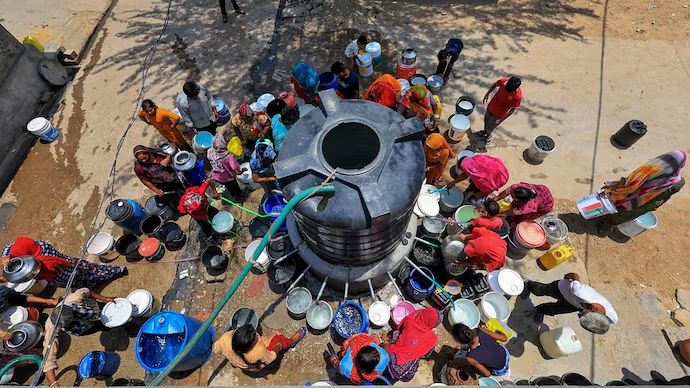
As heat waves become increasingly frequent and severe in India, a new report highlights the limited focus on long-term solutions in some of the country’s most vulnerable cities. While immediate response measures are in place, sustainable strategies to combat extreme heat remain insufficient.
A study by the Sustainable Futures Collaborative, a New Delhi-based research organization, analyzed the preparedness of nine major Indian cities: Bengaluru, Delhi, Faridabad, Gwalior, Kota, Ludhiana, Meerut, Mumbai, and Surat. Together, these cities account for over 11% of India’s urban population, making their response to heat waves crucial for the well-being of millions.
The findings indicate that while these cities have implemented short-term responses—such as ensuring drinking water availability, modifying work schedules, and enhancing hospital readiness—their long-term planning is either lacking or poorly targeted. Without sustained efforts, experts warn that India could witness a significant rise in heat-related deaths and economic damage in the coming years.
Aditya Valiathan Pillai, a Visiting Fellow at the Sustainable Futures Collaborative and a Doctoral Researcher at King’s College London, emphasized the urgency of proactive measures. He stated that many essential long-term strategies require years to take effect and must be initiated immediately to mitigate future risks.
The report highlights that emergency responses are primarily managed by national and state disaster management authorities rather than comprehensive local heat action plans. While some long-term measures exist, weak implementation has limited their effectiveness. Key gaps include the absence of occupational cooling solutions for workers exposed to extreme heat, insurance mechanisms for lost wages, improved fire management, and upgrades to power grids. Additionally, urban cooling initiatives such as tree plantations and rooftop solar panels often fail to reach the most vulnerable communities.
Although the health sector has made progress by training healthcare workers and monitoring heat-related deaths, urban planning policies have yet to fully integrate heat adaptation measures. The emphasis remains on treating the effects of extreme heat rather than preventing them through infrastructural and policy changes.
Financial constraints pose another major hurdle, as cities rely on existing budgets for short-term interventions while structural reforms demand dedicated funding. The study also identifies poor coordination among government agencies, staff shortages, and a lack of urgency as major obstacles to comprehensive heat adaptation efforts.
To address these issues, the report recommends that local governments strengthen heat action plans with a focus on long-term solutions, tracking their success to ensure maximum impact. It also urges states to leverage national and state disaster funds to support sustainable heat adaptation measures.
Additionally, the study suggests appointing Chief Heat Officers in highly affected cities, with adequate authority and resources to drive change. Without real power, these officials risk facing the same challenges as their predecessors. Furthermore, India’s ten most heat-affected cities should invest in training officials responsible for implementing heat-related policies.
The report concludes by calling for a permanent, well-trained disaster management workforce in every district facing serious climate risks. As climate change continues to intensify heat waves, proactive planning and sustained action are essential to safeguarding urban populations from extreme temperatures.