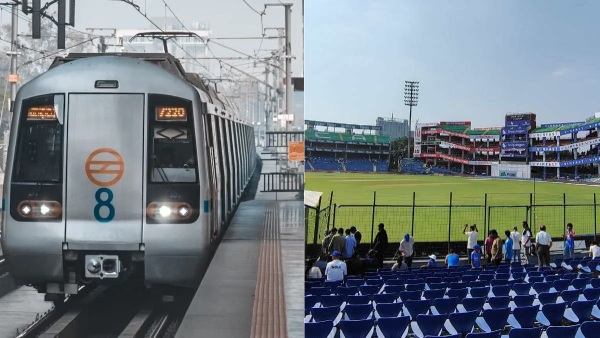
The highly anticipated ICC Men’s T20 World Cup 2026 match between India and Namibia in Delhi is set to draw massive crowds to the Arun Jaitley Stadium. Cricket enthusiasts from across the city and beyond are preparing to witness the high-octane clash, and authorities have issued extensive advisories to ensure smooth travel and safety. With thousands of fans expected to converge at the stadium, Delhi Metro services have been extended, traffic restrictions are in place, and parking arrangements have been carefully planned to facilitate crowd management. Spectators are advised to plan their journey in advance, use public transport wherever possible, and be aware of restricted roads to avoid congestion. This match represents not only a sporting spectacle but also a logistical challenge for the city, requiring coordination between the Delhi Police, the Delhi Metro Rail Corporation, and local authorities to manage fan movement effectively and ensure a seamless match-day experience. Fans can expect special metro services, traffic diversions, and clear signage guiding them to parking areas and stadium entrances, all aimed at enhancing convenience and safety during the T20 World Cup festivities.
Delhi Metro and Stadium Access for Matchgoers
To accommodate the large number of cricket fans attending the India vs Namibia match, the Delhi Metro Rail Corporation has extended the last train timings on February 12, allowing spectators to travel conveniently before and after the game. Metro operations will continue late into the night, ensuring that fans have reliable public transport options to return home safely. The nearest metro stations to Arun Jaitley Stadium are Delhi Gate and ITO, both located on the Violet Line, which connects Kashmere Gate and Raja Nahar Singh (Ballabhgarh). This line provides direct access from major parts of the city, facilitating smooth travel for spectators coming from different directions. Special announcements and signage at stations will guide fans toward stadium exits, ensuring that first-time visitors or those unfamiliar with the route can navigate effectively. Authorities have emphasized that spectators avoid private vehicles where possible and rely on metro services to minimize congestion around the stadium and key arterial roads. For those traveling by metro, officials have also highlighted the importance of carrying valid identification and tickets for verification purposes, as crowd management procedures will be strictly enforced.
The extended metro services reflect an effort to ensure that fans can enjoy the match without worrying about transport disruptions. Trains running late into the night will help disperse crowds efficiently, preventing overcrowding at both the metro stations and surrounding streets. Additionally, the Delhi Metro has coordinated with local law enforcement to provide security and crowd guidance at major stations, ensuring that both safety and convenience are maintained. Fans are encouraged to familiarize themselves with metro timings, station exits closest to the stadium, and alternate routes in case of unforeseen delays, making public transport the most reliable and stress-free option for match-day travel.
Traffic Management, Road Restrictions, and Parking Guidelines
In preparation for the India vs Namibia T20 World Cup match, the Delhi Police have issued a comprehensive traffic advisory covering February 12, 13, 16, 18, and March 1, coinciding with other matches at Arun Jaitley Stadium. Special traffic arrangements are planned from 9 am to 11:30 pm on match days, with staggered time slots designed to manage the flow of spectators before and after the games. Motorists have been strongly advised to avoid certain key roads near the stadium to prevent severe congestion. The restricted roads include Bahadurshah Zafar Marg (from ITO Chowk to Delhi Gate), Asaf Ali Road (Turkman Gate to Delhi Gate), and the stretch from Rajghat to JLN Marg. Avoiding these stretches is particularly critical during peak match hours, and authorities have provided specific timings for restrictions to help commuters plan alternative routes.
For February 12, road restrictions will be enforced from 6 pm to 11:30 pm to accommodate pre-match and post-match traffic. Similarly, on February 10, 16, and 18, commuters are advised to avoid the specified stretches from 9 am to 2 pm, and on February 13 and March 1, restrictions will be in effect from 2 pm to 7 pm. Clear signage, diversions, and police personnel will guide motorists and pedestrians, ensuring orderly traffic flow while prioritizing spectator safety. These measures are designed to minimize delays for local residents while allowing fans to reach the stadium efficiently. Travelers are encouraged to plan their journey, leave early, and follow official advisories to avoid inconvenience.
Parking arrangements have been carefully organized around Arun Jaitley Stadium to manage the influx of vehicles. Designated parking zones will be clearly marked, with attendants guiding vehicles to appropriate areas. Spectators are encouraged to use official parking facilities and avoid informal or illegal parking, which could obstruct traffic and compromise safety. Authorities have also coordinated shuttle services and pedestrian pathways from parking areas to the stadium entrances, facilitating smooth access for all fans. For those opting for drop-off services, pick-up and drop-off zones have been strategically placed to prevent congestion on adjacent roads.
The combined measures of extended metro services, traffic diversions, and organized parking aim to provide a seamless match-day experience for cricket fans attending the ICC Men’s T20 World Cup 2026 in Delhi. By relying on public transport, adhering to traffic advisories, and planning ahead, spectators can enjoy the India vs Namibia match without unnecessary delays or disruptions. The collaboration between the Delhi Metro Rail Corporation, Delhi Police, and stadium management highlights a concerted effort to balance fan enthusiasm with urban mobility and public safety, ensuring that one of the most significant cricket events of the year is conducted efficiently and safely in the nation’s capital.